Episode 11 / Jul 18, 2025 / 68 min
From Volume to Vision - A Builder’s Path to Wisdom
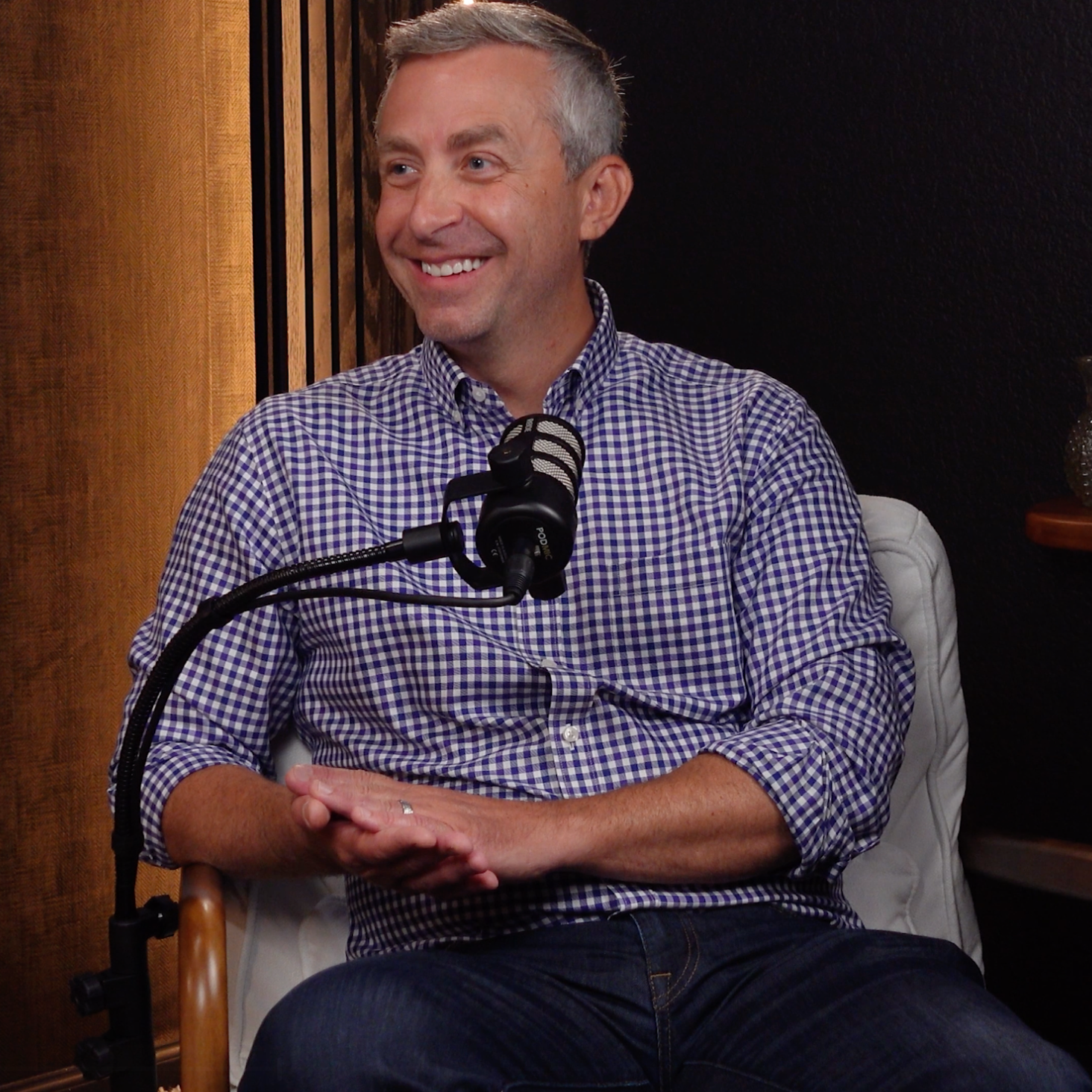
with Matthew Ditlow
Where to find Matthew Ditlow
Austin builder
Show notes
Matthew Ditlow has spent the last two decades watching Austin transform - and growing alongside it. In this conversation, he shares how his early work in real estate laid the foundation for a deeper calling: to build homes and businesses centered around trust, communication, and long-term wellbeing. Rather than abandoning his past, Matthew reflects on how each phase - sales, conflict, mentorship, even missteps - gave him tools to build with more intention.
We talk about the shift from transactional thinking to meaningful craftsmanship, the complexity of managing relationships in business, and the influence of family, faith, and design on how he approaches his work today. Matthew also dives into how building science and indoor air quality became central to his company’s mission - not just as technical considerations, but as expressions of care and integrity.
This episode is a conversation about growth without reinvention. It’s about refining your path instead of replacing it, staying rooted in values, and creating something that reflects who you are at every level - from the foundation to the finish.
Key moments
- Meet Matthew Ditlow, broker and builder
- A push from mom into real estate
- What real estate teaches you about people
- It's all about who you surround yourself with
- Putting clients first builds a reputation
- Building spec homes with building science in mind
- Why a concrete block home feels different
- Why building in Austin costs more
- New communities from Buda to San Marcos
The mailing list
Get the next conversation in your inbox.
One short email when a new episode drops, plus practical tips on healthy homes and building things that last. No spam.
Transcript
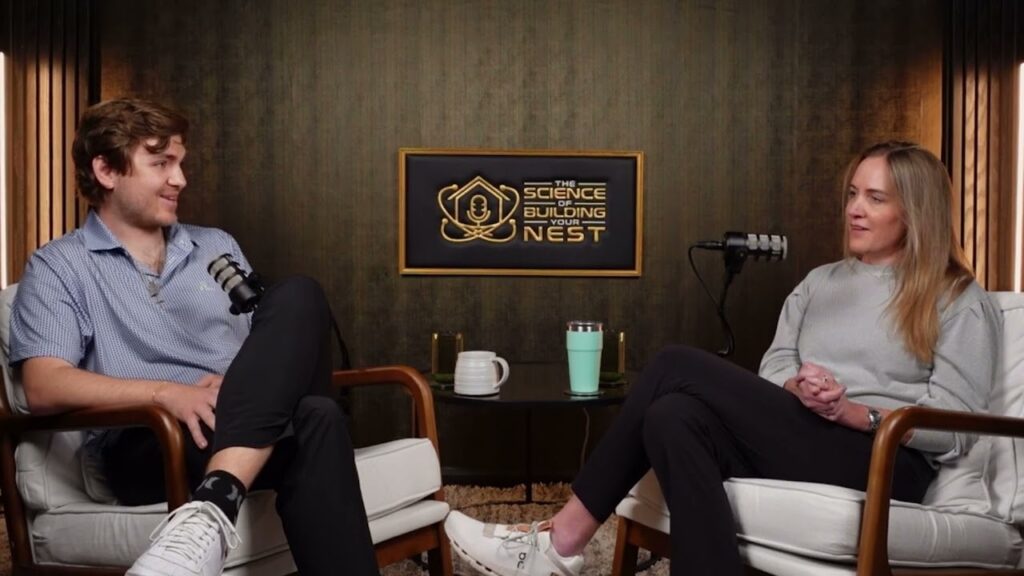
My name is Keating Coon with the science of building your nest podcast I am incredibly grateful to my friend Matthew Ditlow to hop on here and and discover the world of not only the past real estate Deals that he has been working but also his new construction company. So Matthew did low. Thank you for thank you for joining kidding. Absolute pleasure to be here. Thanks for having me I want to go into a little bit of your past first and foremost, because I think you've had a childhood and young adolescence that is different than most, especially in the Austin, Texas area. So can we can we start back when when when Matthew Ditlow was a young man? Yeah, as you can see from my hair, I've got to go way back here. put
me in the way back machine. Yeah, adolescence, good, good time, the young time. I'm not a native Texan. We'll start there. So unlike you, I have found myself in the state here. Love it. I've been here well over 20 years. It's a great place to be. Originally, I kind of wouldn't call it bounced around, but I've lived in a few other places before this. So grew up in the northeast, ended up living internationally a little bit with my parents due to their job. sort of situation and then ended up going to college in California and then found myself here kind of in the middle of the states in a great place so it's been fascinating for me I feel like actually living in Austin the last 20 years has been like living in three different cities as it's involved so it's probably
kept me from moving just to kind of watch the evolution of what's happened here and the change here has been you know it's I know a lot of people would call it bittersweet. I'm sure you've seen that in your life, but I think there's a lot of great positives. There's great reasons to be here. Great place for podcasting. Great place for just creative and intellectual minds to kind of come together and talk about big picture stuff, which is, you know, in a world we live in right now, really, really appreciated to sort of hear this from everyone for everyone to share their, their thoughts and their gifts. And that's why I love being in Austin. That's why I love being here. Thanks for having me on I've never heard someone put it in the way that we've lived in three different cities in the last 20 years Tell me a little bit about your journey in the past 20 years specifically and how it relates to the
growth and expansion of Austin Yeah, it's been fascinating. You know, I um, I had never been to texas and so In your mind you think of dry cow skulls and tumbleweeds Everyone riding their horses to school and back and all that good stuff And I when I first time I came here, I was kind of blown away, you know with what? I first came to San Antonio, so sort of San Antonio, Austin, the whole central Texas region. I wouldn't call it sleepy then. You know, it was obviously a big city. People knew it, the university here, all of that. But it had a sort of much different feeling in terms of where it was in the country. It was undiscovered. It was a place that I don't think the general coastal markets knew, anyone really knew about, unless you were here in Texas.
And so at the time, I was dating a girl who was a native Texan. So that's how it kind of brought me here. And I came and, uh, it was in the early two thousands with some tech uncertainty. There's a tech crash at that time. I was living in California with, um, a lot of roommates in a small house. One of them was living in a closet. You know, we were making it work, but I don't think it was something long-term, uh, I could see myself continuing to do. So came here and really, uh, Austin was sort of. I wouldn't call it innocent. It was just a really great place to find yourself as a young person that was affordable, had a great lifestyle mix and was open. And I think that's one thing that Austin's continued to have for the last 20 years has been sort of an openness
to new people. And whether that's a factor of how many new people have come here and sort of open to that, or if it's just the general, you know, Texas friendly way, but it's a great place where you can really find people that you get along with, or find people that have your same passions or are interested in things. And that, to me, was always really exciting here because we were here on a podcast talking about passions. And when I was in my 20s, I don't think I really knew what that was. I was on the script of you go to school, you do this, you get married, you do this, you do a very linear progression. And sometimes that doesn't offer a lot of space for exploration. And Austin sort of offered that
space for exploration at that time, and still does, which I think was really cool. So that's how I ended up here. Back then, you'd made it in Austin if you had a salary of about $25,000 a year. That was like big time, you know, like you could survive to live, you could go out, you can do all these things. And the job market was tight. It was a really hard time to be there. And I'm sure people today, uh, experienced that as well. Uh, it's, this is not something that is unique to this time period. We kind of have this in cycles and in the economy and our lives. And it was very tough. And I started. doing temp jobs, just did temp work just because I wanted to stay here. I wanted to just enjoy the lifestyle and have a really great time. And my passion was more at that time was work was a way to support
just living. You know, work was a way to support me having fun and meeting people and being with people and just exploring and really finding out what it meant to be an adult on my own. And enjoying the life in Austin. Exactly right. It was a new place to discover. I hadn't lived here before. Every road was new. Every person and meet was new. a great opportunity to reinvent yourself. Thankfully, I didn't have to reinvent myself too much. I wasn't running. I wasn't hiding. I wasn't WITSEC or anything like that, but it was a good time to really find that out. I was doing temporary jobs at that time. One of the temp jobs was at St. David's Medical Center. I ended up getting hired there. I ended up working in hospital administration, which God bless anyone
who works in hospitals. Maybe not on the administration side, but certainly on the patient side. That was a fascinating experience. I was also probably the youngest person by 30 years. So I knew that was not, you know, a long term choice for me. But I learned a ton. And at that time, I was actually my mom had relocated down to Texas. Like you Keating, I'm an only child. So our moms, you know, keep an eye on us. That's right. We're better or worse. And she moved down here. And she was kind of done with the north the winters. And she was tired of that. and really saw some good opportunity, had some family friends here. And she'd been in real estate development for a really long time. So she came down here and at this point, and this is really dating myself,
she was sort of like, look, the internet is becoming like a thing in real estate. Like we're starting to move from books and putting things on paper to actually posting on, it's called the MLS, like multiple listing service. Like we're putting content out online. And I have no idea what any of this means. So you do, cause you're young. sure, because automatically young people are tech geniuses, come and work with me and come and do that. And so it was an invitation from her to sort of recognize where I was probably from a mature perspective, stagnating, you know, and just sort of like accepting things and then not pushing because I was more in the headspace of a lifestyle versus a what is my life looking like? What is the style of my life is this as it unfolds. And so she brought me in on that
side and really focused on real estate and development and building science and everything there that is now catapulted me into what I do today. So Shout out to mom there for taking care of me and putting me on the right path. No doubt. And it's the mother's wisdom that sometimes gives us the good kick in the butt to get your stuff together and move in a different direction than maybe we thought was best for us long term. Exactly. And I think she made a great point too, you know, because as her son, I think she's seen me really always struggle with finding meaning and finding meaning in the things that I do. or the people I surround myself with, like, where is this taking me? As you get older, I think you kind of learn
about yourself more and discover what makes you tick and the unique parts about you. And for me, there was always a, I think, a burning desire to do something. important to contribute or actually make I wouldn't call it a mark because I've never wanted to be famous. You know, I'm a very private person. You can anyone's looking up my social medias right now. You'll see they're pretty much non existent. But I like to be quiet. I like that side. But I also always felt that there was a sense of purpose driving me you know what that is like what what's the big picture here to contribute in life. And I think she made a great point where it was sort of like, you know, you're not going to figure that out just sitting in your mind. you have to go and experience you have to put things into action you have to go
try things to decide you don't like them or you do like them and I promised myself when I was young driving around the car with her that I would never get into real estate you know I'd never do anything like that like I'm going to do something totally different and here I am you know fast forward 20 plus years and I'm so grateful I'm in this field but it was because of of the push to actually try something and do it and really discover if there was enough there to keep you going. Yeah, no. And the where it boils down to for me, the equation that outputs Matt Ditlo today, you went through moving multiple times and having all of those experiences in different cities coming to Austin. And now, you know, obviously going through this transition
phase that Austin has has gone through and it has spit out the current you. Right. because you had an experience in Austin before your mom came down and kind of brought you into this world that probably opened up some different ideas in your head. And whether or not it was her that kind of pushed you off that cliff, you had at least started to internalize a need for pushing the envelope in different ways. So bring us back at least to the beginning days of that adventure. Pushing the envelope is a good way to describe some of my activities, being younger. Also probably searching for a sense of meaning in that. I think if you look at anyone who is pushing things or doing crazy stuff to maybe the general public
or what that looks like, there is a sense of looking for meaning in that. I think that bio-individualism is so important right now, is the recognition that everyone doesn't march to their own drum. or everyone does march to their own drum and it's unique beat and we kind of have to respect that. I think what was fascinating for me you know as you said this and I look back on as we're and I'm sort of like looking back on things here which I try not to look back too much is that I had a lot of sort of change and variation in my life. There was a lack of consistency and for better or worse that is translated into my adulthood where I have generally not done the most consistent thing. I've not chosen to have the nine to five job. I've not chosen to
do the, uh, sort of repeatable experience that can guarantee stability in a lot of people's minds. I've done a lot of, you know, a lot of trial and error, a lot of, a lot of learning by fire. So, and that has worked for me. It doesn't work for everyone. You know, a lot of people get very nervous or scared if they're not having a consistent thing or something that they can trust or lean on. And so I look at this and there's. you can play that game of if I did this or if I did that and it's pointless to play because we've done exactly what we need to do to get where we are and sitting here in this room with you today tells me I'm on a good path and we're having a great discussion here about this and looking back on that and really what I think
what was important for me in flexibility in my life was the flexibility to be able to learn in an industry, and I'm calling real estate a general industry here, learning an industry that you're constantly learning in. So it's one of these things if anyone thinks they know it all, that's a dangerous person, because there's no way anyone can know it all. Right? There's so much to learn so much to discover. So I got pulled in on the brokerage side. I got pulled in on the transactional like being a realtor like doing transactional deals. And, and if you want to learn about people, work with people. when they're buying a house or selling a house, right? You really get to see into families, you get to see into dynamics, you get to see it's normally the
most important financial decision people make in their life and those serious purchase or sale and you're catching them at a transition time in their life. There's death, divorce, moving jobs, kids like these are big touch points in people's lives that don't happen all the time. So my first experience was really sort of seeing that side of the world that I think a lot of people are good at maybe hiding or covering up, right? You know, we see them at work. We see them at play. We don't see them when they're at their homes and they're inviting you into your home. You know, and so I've seen all sorts of helps and they have to uncover all of the things that they've been dealing with, because that's part of the story on your side of, you know, figuring out the situation and what's best for them. Um, and I think it's such an important
conversation to, to go into, because a lot of people are in a transitional phase in their life. Um, and so, you know, whether you're in your twenties and you're, you know, you haven't figured things out yet, or you're working in a corporate job and maybe it's just not for you, right? There's always uncertainty whether or not it's in a specific situation. there's always uncertainty in life and so to kind of uncover you know I think for a broad, a broad real estate, like you went into, there is some certainty and there's some, um, maybe not stagnation, but just the same thing every day. But then there's also a lot of change every day. And so you kind of maybe fit that mold of, I had to find something that was a little bit outside of the nine to five, but then also have a certain stability that you've created
over that time period. Exactly. Yeah. And it's, it's fascinating because that definition of stability has changed, you know, like our grandparents generation. or you know, you roll back, they might have been in their same house their whole life. And they might have had that that was houses were not commodities. Real estate was not traded like it's traded today. So we've created a whole economic ecosystem off personal houses that didn't exist two generations ago, or even potentially one generation ago, depending on what age we're talking about here. But it is it's something now where most people don't hold their homes for more than five years. So even if you're consistent in one thing that your life and your where you find your yourself, you know, really making your story, your memories from is changing constantly.
And I think there's a greater recognition to in terms of building science or understanding this is what is this? How does the space affect me? You know, so something we've seen very common that has become more important over the years is light, people wanting light in their houses, or mold, you know, the focus on indoor air quality has become a major thing. And this is just as awareness grows, as people kind of like grow and understand this. So it is, it's, it's a very, we could do an entire, we could talk for hours about that, you know, just just that sort of segment of the industry, but It's not where my passion was, you know, I kind of discovered on this that I loved I Loved the learning experience,
you know, I didn't hate the money. All right, I enjoyed working with people and I was at that point in my life I was a really big people person. I enjoyed being around people. I enjoyed nurturing relationships. I really enjoyed doing that I'm gonna point my life now where that's not as important, you know, and I think I'm I'm I wouldn't call it withdrawing I'm just cultivating a very specific you know, kind of group or people I want to be around and my energy is more important now sort of holding my energy and conserving it. I don't have the same energy I had, you know, when I was younger, I've got a family that is, you know, that takes a lot of energy for important energy that I have to give them. And what I've transitioned to is sort of an interesting period of my life where I have at this point in my sort of, you
know, early mid 40s, I can look back and say, okay, in an industry that cycles people not only do homes cycle a lot and people do this the real estate industry is very cyclical people jump in and jump out there's not that same amount of consistency across the board and I look at this and say okay I've been licensed doing this job since 2006 in Texas and then back to 2003 in California working there and so that's a long period of time to be in one thing. And it's weird when you sort of wake up and you're that person that people are like, Hey, what's this? You're like, Oh, I'm the one who knows this now. Like, okay, like that's, that's a different experience. So, and especially all the experiences that you've
had from that time period, right? You haven't been in one specific part of the real estate game since 2003. It's changed dramatically over the years. Dramatically. I mean, it really has. And that's where, and you know, just, just so much stuff has changed. It's, it's almost amazing to see how much change is possible in 20 years because I don't think you don't realize it as it builds it's like most things right you don't realize the day-to-day activities or the the building that occurs on the short term but under a long lens when you look at it you can go wow that's a lot of you know that's a lot of work that's been put into that and and to touch on that too you don't even realize how much work has gone into what you are doing and where you are different from a day-to-day standpoint
but when you look back five to ten years now you can really see how that life unfolded it's wild i mean it really it is it's a great point you know and it's it's having that that ability to look back with um what's the word i'm looking for maybe compassion you know for your journey and understand that through through everything like this is was important to go these ways. And I've learned, as I've alluded to before, I've learned by the two by four method. Sometimes I've learned the hardest possible way to do something. But that's just a unique thing for me. I like to turn the rock over. I like to maybe struggle with things to kind of see the full picture. We're stubborn people. Stubborn people, yeah. Which is okay. That's that's good. It's it's a learning thing Yeah The learning aspect I mean
I think you know in my trade specifically too And I'm sure you probably thought the same way you didn't even realize that there was that much to learn Right at some point. You're like, okay. I'm done with the learning stuff now I can just focus on what I know it never stops. It never stops It's fascinating and I'm grateful for people who push the boundaries and learn new things and bring that to the general public or the subject matter experts who then diffuse that out so it's it's something where You know and also I think when you when you work with people and a lot of different people at different times You can also start to see who's really living their life according to their what they want to do? Like who's living it on their terms? Who's passionate about what they do? When you interact with people, when you're on, you know, whatever that is, I
think we can always feel naturally when someone's excited to be doing something, when they enjoy it, when they're competent in doing it. What does that energy feel like? What does that, it pulls you in, it's captivating, it makes you excited to be engaged and to do the job. And that's something that you know, I've always appreciated working with you. It's like, great, you're that type of person who's open and curious, and wants to do their best, you know, and really show up and build something versus just sort of like, okay, I've got to do this, go through the motions, perfectly said. So that's that kind of catapulted me a little bit more into the awareness of how are people viewing me? You know, how are they seeing? Am I coming to this? with passion? Am
I coming to this with excitement? And I think towards that backside of my transactional career, that wasn't there anymore. You know, that I think their seed of doubt had been planted into my mind of do I want to keep doing this? Is this what my life looks like over that time period? And I think that that for anyone when that seed of doubt comes into your mind, I don't think it's something to push down. I think it's something to explore. Say, okay, where is this coming from? Is this coming from a good place? Is this coming from a bad place? Am I being influenced by someone I shouldn't be influenced by or is this a good influence? It's coming into make structural change that I need in my life. So, you know, it was something I want to, I want to pause there because that was, that was beautifully said. Um, the way that you're able to see the position that
you're at and take a step back from it and say, this is how people are now. viewing me when I do business with them. And if I'm not able to serve them at the highest level because my heart's not in it, I might need to take a step back, look at how I'm doing things, either change it or flip to something else that I can find passion in. Exactly right. Because otherwise it eats at you. You know, and I've had that, I've had that experience. I know what that is. And stress, stress is, you know, stress is the problem. It's the killer. It's the killer, man. It really is. It is. So it's I appreciate you pausing on that because that's an important point. I think that's for all of us is to just have that self-awareness and that quiet time to really assess like, am I putting out beauty in the world? I don't mean like just, you know, I'm a beautiful person out
there, right? It's like, what am I doing that creates an energy that is attractive and that builds and creates beautiful things? I think that's what's really nice. Every time I drive through parts, and I'm not even gonna tell you what parts of the country I drive through, but they're close enough to Austin that it makes you look around and go, wow, okay, there's not a lot of beauty here. This needs something in this. Why have people chosen to do this in their life? And it makes you think about that. And we're blessed to be in a place where there's a lot of beauty and people are focused on creating beautiful things. And I think that that is, you don't... get to that point unless you challenge yourself and you look in yeah and we talked a
little bit about that earlier too you know when you're married to someone for a long time you're going to be married to 10 different people um and we We need to think about that in our work life as well because we're now going through this journey and the education and the people that we meet as we become different people. And so why, why wouldn't our feelings toward our work change over that time? Maybe they get stronger. Maybe we tap into something in our work that makes us become energized again or energized in a different way. But sometimes it goes the opposite where it just isn't feeding that that hunger that or you know, it's not quenching the thirst that it once did. It's so important. You said that Keating's I think the biggest takeaway
if there's one takeaway that I would want to share today for anyone is it's all about who you surround yourself with. It's all about the people that that are in your life and the close people that are in your life. And I've had a lot of really great partners over the years. I've had some really great I mean, business partners, I mean, people I've worked with where I'm really appreciative for the value they bring for the table for what they teach me, you know, whether it's an unconscious or conscious teaching, right? What does that look like? And, you know, I always try to really keep my side of the street clear and just acting with integrity when you're working with someone else because they are coming into a relationship with hopes and dreams and feelings
about where they want it to go. That direction may not be where you're going. That's right. You know, it may be a moment where you two come together on a path and then it splits off and you do your own thing. But I hope that in any partnership that you make business, romantic, family, whatever this is, that you leave that taking something with you and having grown from that experience, not having it take something from you and be worse for that. And we all know this and the cultivation of finding the right people is one of the hardest things to do in life. It is to say no to bad people or bad influences is hard. It's very tough and They're usually great salespeople. They're great salespeople. Yeah, this this seduction is there. You're like, I'm gonna make all the money in the world. I'm gonna do all these things. I'm gonna be famous.
I mean, like, whatever that is, whatever that hook into you is, that gets that gets you excited. Sort of be careful, right? Like, it's just, it's a it's hard work. is required to get anything good. You know, maybe that's a blanket statement, but in generality, you really have to work on things to make them work. And so the easy path, the get rich quick scheme, the amazing vision by so many slick salespeople out there, so many Instagram influencers, so many people painting this amazing picture. It's just that it's a picture. And we live in an age of illusion. We live in in time that like, you know, the person that you see online may not be who you meet. Now that's been a joke in real estate forever. No one updates
their headshots. Oh, that's that's for 30 year old headshot right there. You know, but even more so catfished by realtors. Yeah, always have been the only way I get business I don't put my face on a card. But it's it's really it's you know all jokes aside it goes back to that that thing where it's it's who you surround yourself with who is there in your journey that that matters and your decision making process that gets you there you know how do you make decisions are you someone who sleeps on things are you a gut person are you i've got to have a spreadsheet and weigh all the things you know what what does that look like but trust your decision making process and bringing you to the people that you need to surround yourself with for your greatest
achievements to happen. Yeah, and then when you talk about partners, that's such a tough discussion in general because, you know, you talked about life partners, right? And I think both of us have learned over the many years that communication might not be our biggest strong suit. And it's something that we need to work on in our relationships, whether they be personal or business, because if we're putting out on the table what we feel is necessary, All we can do is trust and hope that the other person sitting on the other side of the table can put equal amount of effort and communication there. I think in men, especially in business, communication is not always something that we want to dive into. We don't want to put our feelings on the table because that's not
business-like. It is interesting that you dove into that aspect because As long as I've known you, I've always known you as a great communicator. My wife may disagree. And that's okay because at the end of the day, we're still learning and working on those things as well. But specifically for business and your business partners in the past, where can you give us some guidance on the future conversations that we might be having? Great question Keating. I think you've picked up on on this and you nailed it. It's communication is the essence of good relationships, right? And we it's a messenger game, not a message. It really is. It's how does that How do you who do you hear from? Who do you listen to? conscious
or unconscious and the messaging and sort of having that that communication it's something we could all improve on and there's a great and that's why I look at this too because I recognize that as I'm in a position where you know I've moved in my career to having employees or having independent contractors work for me am I communicating my vision and my goals and my hope for them or and I always could do better in this there's a great analogy All right, not analogy. It's it was a cartoon. Essentially, this goes back a very long way. But there's two convertibles passing each other on a turn. And the one guy yells at the guy pig. And the guy in this car goes, Oh, he's an asshole. He just called me a pig. He turns the corner and there's a piggy hits. So it's sort of like what is that? You
know, what is that community? What? How are you taking what someone's saying to you? Can you integrate that? Can you listen to that? How clear are we being with each other? Because there's so much stuff that's just we just assume that person recognizes. There's an old saying about assumptions. Yeah, there is. That's a good one. And it is important to basically go down to the very base level, especially getting into a business relationship, because if two people are assuming different things in that, transaction or relationship at some point is going to be uncovered. And at some point, either feelings are going to get hurt or bridges are going to be burned. And so how we can go to the base level of conversation basically revolves around trust. And I think
it was interesting that you and your mom got into this business relationship together as well, because there was a trust behind it. There was something that both of you woke up every day with someone leaning on. Right. And, uh, you know, one, one person to lean on and then also to know that you're being leaned on. And that's a distinct difference in a business transaction as well, because there's a lot of things that each of you bring to the table that alone, it might be completely different and together you can make it successful as long as you're. pushing the envelope. In other business relationships, it could be a 90-10 split, right? Someone's bringing a lot of the money to the table and they're banking on the other person to do the
majority of the work. So I like how you broke it down on the communication side because not only in business, but in life in general, communication really could solve a lot of issues. I mean, we look at politics and different things and say, man, if we could only just communicate better, this would probably be a lot better on that end too. And going back towards your relationship to the city of Austin, you've cultivated... friendships, you've cultivated these business partners through really the city itself. And I think going back to what you had said earlier about, you know, the many different people have that had come to Austin and kind of absorbed this friendly mentality. There's the salesmen out there that are, you know, trying to wine and dine you and
get get you into business with them. But then there's also the kind hearted people that are very similar to you and I that, man, we just want to make something make something beautiful. Right. Yeah, exactly. Well said. And it's, it's, it's interesting because I look on the fact that Austin was a lot of mom and pops, there's a lot of family businesses and I started out in a family business, right? And then I worked into a corporate position and sort of we've gotten a lot more corporatized down here. And what does that, what does the corporate entity, how do they treat you? How does that, you are replaceable, right? It's that sort of, that sort of deal. So you have to understand, um, what you're giving up for that experience. So the trust is earned.
It's definitely unique. I hope everyone has a you know, this is not the case for for many people. But if you have the opportunity where you have a family business, or you have someone in your family that you trust, and you can build that and work together, there's a blessing. There's a real, there's a real power there. And I think you know that you understand how, you know, we I don't begrudge people who are successful because of their families. That's the way it should go. That is that's beautiful. That's means that you're you're sort of helping the next generation along working together building them up. That's exactly what should happen. Right? Like that's perfect. That's great. You know, we all have our issues with nepotism or people being handed a gift and doing nothing with it. Right. And there's there's that whole thing. But when you break away from
a family dynamic or someone in family that you really trust. To your point, who are those people then in the community you find yourself in with that you can sort of find a simpatico with find a situation where like they have the same moral background or the same understanding of the way the world works your same vision of what this is and how that goes I've been very grateful to find partners like that, you know in my journey I've also found people who are completely opposite and are totally on a selfish and self-centered track and that's okay You can let them do that. You just can't let that impact you and your journey or let that hold you down So and I think we're we going back to Austin I think we benefit from a really great creative class here from it from people who and go woo woo vibrate at a higher
level and are looking for that and kind of open that. And there's, you can be taken advantage of in those situations, but in general I think that that's a great openness to have and I encourage everyone to sort of, you know, maintain that. So what I'm looking for that, that hope that the other person has that same mentality you do. Yeah. Yeah. And then Austin's a great place for that too. Um, not only the transition that has happened in the last 20 years with the real estate game specifically, but we're around people that are focusing on indoor quality and how that is so important on the real estate side, because you know, you're not just a transactional person. Right. You like to make that connection with people. And so, uh, when you're making that connection, when you're building trust with that person,
you want to make sure that you're putting them in an environment that they're going to succeed and that their, their children are also going to succeed. Um, and so, you know, I think it's, it's a very shared mindset. Once you start to go into that avenue and see how much it can affect, um, which, you know, you're, you're a very. morally strong person. And so I know when you have seen some houses that might not be in the best situation long term for one of your clients, you're not going to choose the money over the client. It's a fiduciary responsibility. I mean, you have that. And I think that's for me personally, it's how I sleep well at night. You know, I know I have done the best thing. And I recently had a deal I was assisting with, you know, an agent asked me to kind of step in and give them help them through this deal. And through this, we ended up terminating the deal. Right. And the
agent didn't get paid after the hours they had put into this. I get no compensation for my help with this. Like, we could have walked away from there just being incredibly frustrated. Not to say there's not a slight bit of frustration, because that would be disingenuous. But the bigger picture was is that we did the right thing for the client. You know, we kept their interest above our own, when it came to a very important decision. And that's how you build your business. And Austin is, you know, I've said this is saying I've said I can't attribute to anyone, but I'm sure someone said this before me. But if you go around burning bridges in this town, you're not going to get over the river. Right? Like there's only a few bridges here to get over the river. There's this is still a small town. It's
right like people have learned that within certain it's a town of a thousand people in a state of five thousand people when you start getting into Specific industries or specific things that you work in and we kind of bump into each other and reputations are important You know and the the current job I had right now is interesting I was sitting with the you know, the founder of the company and he was basically saying like hey We're in a business where reputation matters. You have a great reputation coming into this that can't be said for some of the other people I'm talking to about this. And I took that as one of the nicest compliments I've gotten, right? Because it made me realize like, okay, that's good. And I'm, you know, talk to enough people, you're not going to hit 100. Trust me. But to have an overall side of this to say, okay, this is this is that's what I was going for that.
lights me up. That makes me excited to say, Okay, great. Because I'm passionate about what I do, because I love what I do, because I bring that energy to it. And I don't look to screw people over to get ahead, right? And I'm putting that sort of putting the interests above my own. And it's a bigger picture interest, right? It's where is this all going then that comes out into a position where you look back 20 years and you say great I've I've walked a really good path on this that has allowed me to build and to get to a certain place It's the day to day putting one foot in front of the other with that same mentality every day And and that's interesting that you had talked about it earlier Where you found that your passion was missing? and you stepped back and you took a look holistically
to say, how can I change this? That's part of, you know, you had mentioned, you had mentioned as well of, you know, how am I showing up in the world? That's such an important realization to have. I had that a few years ago and it scared me, right? Because you're like, shoot, I don't know what I did five years ago. You have like, you know, some thoughts that come in that might be embarrassing or different things, but the fact that you're cognizant of that thought probably means that you're on the right path. And I love how you took that as a compliment because it absolutely is your reputation. is how people view you in the world, and it's going to matter if they want to do business with you or not. For the record, Keating, you pull up with the Thunderbird, I always thought you were pretty cool, man. Appreciate you. But it's going back to also the individual on this. For me, I had to recognize that my opportunities come from
my network. That can't be said for everyone. My college roommate went into Google and got hired out of 400 people. he's one of two that got hired, right? Like he was able to do that and get through that. I would have been 399. Right? I would have been out the door right away. Hey, like God, my opportunities have come from knowing people. And I'm really grateful for two people I knew when I was at a brokerage. And they made an introduction to a corporate brokerage that came in, who saw my background and offered me the position of running the corporate branch in Austin and San Antonio. So that was a major shift for me. And that really got me very excited to kind of transition from something I knew was ending, but I wasn't willing to end it without having something else to go to. And going back
to the stability part, the stability part, right? I can be crazy not stable in a lot of things. Like I can be willing to move, have different, not a nine to five job, like do all that. But the stability of just knowing that there was a next step. a next step and an upward step, right? Like an actually up the ladder step. And for whatever ladder that means to you, it just meant like it was something new and different. So I was able to take that position. I was able to really be in a startup position where it was a company and talking about Austin growing, this was a national international firm coming from the coastal markets, decided to come to Austin and San Antonio. You know, 10 years ago, they never would have done that 15 years, they never would have but the opportunity was at the right time in the right place. So they came in and I had a great experience on being able to sort
of go through the whole business of building the brand, recruiting the agents, working with the people that I really wanted to work with and kind of setting up that company here. And that was a great experience. That sort of took me out of that transactional where I was still in it. in terms of assisting agents and walking them through stuff and being still involved in that and being able to utilize my knowledge that I had earned over the years, but now apply it in a different way. And I thought from that experience, I was really pulling a lot of value out of being able to help other people. And I think that that's that thing right there is when you help others. And I'm not saying be a martyr, you know, I'm
not saying going out there and sacrifice your wellbeing, but when you can general genuinely help others on their steps, as they work up their ladders, that's a great feeling, you know, that rising tides that that is a really powerful impactful thing in your life. Yeah, because you know, some some things that we do in work are not stuff that we like, right? But my mom's always talked about the 360 win. Um, and I think that's, that's basically what you're talking about, right? It's, it's the, it's, it's not a transaction anymore. It's how can I do what I'm good at and also impact people in a better way. Exactly right. Exactly right. And that's, that's, it's a beautiful view. I think that 360 view, that big picture view is critical, I think, to make sure you're checking
in and knowing that you're on the right path. The Vista you find yourself looking at on is one you want to look out on. So I had that great experience and I had to unwind that due to a family situation. I just had to have more time with my family. And this goes back to where you put value. You know, I've always put value on my family before anything else, right? Like I wanted to be a good husband, a good dad. I want to be there. I wanted like that's the greatest influence I can have in my opinion was on my children and like the next generation and creating a sort of environment where they could grow and reach their best potential. you know, helping agents or helping adults, I'm getting them, you know, way past some of their multiple years. So like, well, you are the way you are. And we'll deal with that. But there's like that I chose
in that particular moment, I chose family over the job. And the job was corporate. So it made that decision easier, right? Because I could be replaced, I was replaced within a week, you know, and I took away a lot of great just so many great teachings from that great friendships, great experiences. One of the experiences that came out of that was that I started working on building spec homes. And that really kind of launched because there was such a Austin has always had a sort of inventory problem, right? And delivering and it goes back to I had been in so many situations where I've seen builders and developers care about one thing. And that was profit at the expense of everything else.
And so they would end up delivering a crap product, right, or something that was and, and that's not across the board. I've worked with some wonderful developers and builders who really pour their heart into things and do a great job. But I looked at this and I and it wasn't that I felt that I could improve upon it, because that's that's a false notion, because there's some people doing some incredible things out there. It was more of, I really want to be involved in that. Right? It goes back to the passion, like, what pulls you into this? Like, I looked at this, I say, I to do. I've always wanted to do that. I've always been on the development side of real estate. I've always worked with developers and builders. I've done a lot of new construction. My family was in building going back. So like we've renovated built stuff. I mean, this has been my whole life. So I've really been in all that. So I was able
to and that helped me in my real estate career, because I was able to secure developments from a listing perspective. or help buyers because I was able to educate them on what they're actually purchasing. Yeah, you had a much better understanding of the whole puzzle. Exactly right. Because, you know, agents walk in and, you know, if you're like, some of them didn't even know what a, you know, a breaker box was, right? Or like, they have no idea what is this? What? What's the walls actually made up? You know, like, you don't understand that. So if you know that building science, and you know that And this is also coming from, you know, a very good mutual friend of ours, who's a partner for me for a while in business was, you know, his focus was very much on the healthy homes, you know, and building science and all that. And that opened me up. It's hard. It's hard not to get pulled in that avenue. Once you
uncover that curtain, especially being in the industry that you're in, it's it's now becoming a vocal point. It's a total Oz experience. I mean, it really is. It's like you pull the curtain back and that that just kept opening my eyes. So I got to the point where I was, I was sort of blessed to be in a situation where through my network, I was able to raise funds, start building construction, and like work towards delivering a spec or a product that I felt was really great. And that brought to me an even greater sense of fulfillment, right? Not that that did not come without its challenges, especially as the market has changed and all that has dealt with that. But that was really great. Back to a learning experience a fantastic learning experience and something that I really sat there and I and my whole life I'd always wanted to build a house right like my whole life growing I was like I
could do that. I'd love to do this I'd love to be on that creative side work with the engineer and the architect and the builder and kind of put this all together and Having worked through that and knowing that you can do that Right, I think there's a confidence level that comes from challenging yourself to do something you always wanted to do and then actually achieving it You know, even if it's even if it's ugly along the way or whatever Whatever happens as you're baking the cake as you're doing this to get through to the other side is such a powerful experience for your life. So I encourage anyone listening to this is to take that challenge on. You never know where it leads. You can't time markets. You can't do that. You cannot guarantee success, but you can guarantee personal success by trying
those challenges out. Yeah, and I think from the real estate perspective too, I mean how many houses have you gone into how many How many people have you listened to about? Oh, I don't really like this kitchen or I want more natural lighting in the house So to go through the phase on the opposite end where you're actually able to be a part of the design of that house That's a complete flip of the coin from where you had been previously and I think it obviously it honestly gives you a leg up on that end as well because you've seen what the market wants it's true and it's it's almost a double-edged sword because you see what the market wants and you try to meet it and the market changes on you or What I think was fascinating is that the market may not be willing to compensate you for what you've done And I think an interesting point on that. I have
a home on the market right now, which is a CMU home It's concrete masonry units. It's built, you know as you build a home in Florida. This is not a revolutionary science But it is a a beautiful way to build a home in central Texas, in my opinion, because it's pest resistant, it's fire resistant, it has a much better insulation value, your R values are higher. I mean, when you're in that home, when you're physically in that home, it feels totally different than anything, any other home you're in. Right? It has that sort of feeling and presence. Did that translate to the public in terms of a dollar value they pay for? No, it didn't intrinsically you can tell that they love it like people are in there and they they can't quantify why they feel good
until you tell them this is why but they're like it's so quiet it's so everything is like it just has a different feeling to it especially when you walk outside and it's 100 degrees and you come back inside i'm sure it almost feels a different cold than they felt before it totally is and you know this from just just the thermal efficiency is fascinating as you go in and out of that envelope, right? And you're coming into that. The thick walls are probably bringing a feel of, man, this is really high quality construction. There's a lot of different things that that would bring to your mind, even if you're not thinking of it on the surface level. 100%. That's exactly it. And I would prefer to do things like that that people really feel the value on. But how
do we translate that to actually... an economic driver to do that. And I think that that's, that's what's interesting. We're at a fascinating point in real estate, building science, and just general lifestyle, where people are trying to figure out where that value proposition is. In an age where, you know, I was laughing, you know, when I was visiting friends recently, and they're like five year old was was so angry. He's like, Oh, China. And I was like, Why does he hate China? What are you guys telling this kid, right? And the dad was like, no, no, no, all his toys that break say China on them. So he's very angry. He thinks that things that break are like shiny. And this is not to throw shade in China. But it's just funny to see that like, this is a, you know, a four or five year old recognizing
quality, you know, recognizing that quality, we were as humans, we're picked, we can pick up on this from a very young age, we can feel quality. And so as we move in here, whether it's been, you know, food, or lifestyle or you know, in real estate, one of the hottest things in the luxury market is cold plunges and saunas, right? Where was that five years ago? You know, no one could have guessed that. Right? Yeah, you obviously need a new room for it now. Right? A health room. Right. And I would have been on that five years ago. And everyone would have told me you're not you can't sell a home. Don't do that. That's way too weird. We were gonna be like, what room is this for? And if I had done that five years ago, then I would have, you know, I would have been called a visionary, or something like, you know, something along something silly along those lines. But yeah, I think we're really at a point now where we're
all trying to figure out where we're true value lies. And how that impacts us. Can we, can we go into that a little bit because Austin in general has always had this incline of price. Um, especially since you and I have been here. I mean, 20 years is a long time for a city to grow. I don't want to say triple, but it probably is closer to triple when you look at the surrounding areas of Austin and the prices have skyrocketed. I mean, I know, you know, just from my own curiosity, when I look at some homes on Zillow to see what it was sold at in 2000 or 2010 or 2020 to what it is today. And then you have, you know, people that are struggling. You know, the economy is not anywhere close to. what it should be or what it used to be even versus five to 10 years ago.
So when we talk about that intrinsic value and then also the value of what people are wanting to do in life now, right? How they want to live differently than what they did previously. Can you touch on that a little bit about, you know, how you're navigating that change? Yeah, that's a deep question Keating. That's a fascinating question because you know, someone can pull this podcast up 10 years from now and see if I'm right about this. But I truly believe we are in a systemic change, where the old guard, the institutions are struggling. The system, the machine has gotten too big. Does that mean we actually need machines to come in and correct it? I don't know. We sit at a fascinating juncture right now with AI.
We it's fascinating what what can be done with this. There is amazing positives, and there is incredible negatives on that. And I think the one thing that that I'm looking at is that my general concern is with the systems. We're very heavy systems wise. And what that means in Austin, I think from a macro perspective, is that there's a big influence here. In terms of two things, government and banking, those are traditionally large systems, historical bastions of sort of, you know, what's the word I'm looking for? They are just there. They are what they are like government and banking, right? Like, we all know the titans of this. And we've seen their fractures. We've
seen their issues. And in Austin, we have such a the truth is the best and brightest in our country are not going into public service. They're not going into government. Why would I go into government and do that and deal with that kind of job? When I can go in the private sector and live up make a fortune if I'm if I'm bright and I'm this or the negative, you know, the sort of negativity that most politicians on both sides have of the general public looking at them saying you're you're slippery, right or whatever it is. And Austin has suffered from government's inefficiency to sort of find a solution to have housing work better. And I'm not sitting here
saying I have the answers on this, I can just generally look at this and say, okay, we have a problem with the way we apply our standards of housing. Now, Austin is a unique because we don't have to build for really snow. We don't build for wind shear, we don't build for hurricanes, like our building. construction, our quality of construction is much lower than anywhere else in the country. Right? Like, like, they build sheds in Wisconsin, better than they build some homes down here. And it just is what it is, because you don't have to do that. And it's a sort of lipstick on the pig thing. If it looks really good, no one's paying attention to what's behind it, or what's in the walls, or any two years, it doesn't matter. It doesn't matter. We're past our warranty period. And any city that grows
at the rate we've grown, is going to struggle with housing, period. It's just that's a big issue. And the struggle has come with a lot of that too, because of financial, the banks. So it is, how do builders get capital, right? When we should, so in the last two to three years here, there's been no capital, either the banks have pulled back, or the LP investors, the equity is pulled off the table. Meaning, in central Austin, I look at the urban infill area, even with attrition, even with slow absorption rates, we are out of new product by mid 2027. There's no more condos or no brand new product. There's no high rises hitting. There's nothing. So if you have a choice, like most people want every couple years to cycle home and get something
new. There's nothing here for you. That's a problem because we're going to feel that reverberation six, seven years down the line and everyone it's gonna be the same thing we've talked about for 20 years. Why is there not enough inventory? because of things like this, because of times like this, or me having to go permit something or get through a permit process that should take two months, takes 12 months. You know, when we built that CMU home, we were waiting for nine months on a septic permit. Why? Because we're in Travis County. There's one septic reviewer for the whole county, meaning he had three to 400 files on his desk at one time. He had to wait to get through that. That doesn't work. You know that whole costs the time of delivery,
you know Everything that slows and gunks the machine down and it's gonna drive the price up naturally and it naturally drives the price up because of whole costs and Austin pays a premium and I haven't figured out why but we pay a premium for material and labor over Houston Dallas and San Antonio of upwards of 30 % Hmm. Why is that? Is there some because when that product hits the port in Houston somehow by the time it gets to us 20 to 30 % more expensive, right? Or labor costs more because, you know, I know many builders, we work with several builders who bring their crews in from other areas and own a house here and have them live in the home while they build here, because they can't afford to live here and built, you know, and that that is something that happened years ago, that that's an effect
we're feeling from decisions made 20 or 30 years ago. So is I have no idea on how to correct this. Yeah, and especially when you start to look at the I-35 corridor, I think that's where I start to look at cities like San Marcos. Obviously, Dripping Springs has started to cultivate a presence. But even, you know, you look at Bastrop, you look at Georgetown, how far east and west, how far north and south can we go to kind of escape the Austin bubble? Well, that's what's wild because Austin has had some negative publicity on it saying, oh, it's slowed down or whatever like this. But its statistics can be manipulated. So be careful, you know, just blindly trusting statistics. Because then you look at it and you go, oh, the some of the fastest growing cities, some of the best places to live are Georgetown,
Kyle, like it's, it's these ones that I still consider Austin. You know, this is still Austin. It's the metro. It's the metro area here. So you have to take this in total. But a lot of times they don't. And we're getting to the point now where infrastructure is improving enough. And I wouldn't call it enough of an improvement. But it's improving to the point where you have HEB, but in grocery stores in these ancillary areas, you have Bucky's right exactly the awesome destination that is Bucky's. It's like all these great things. And now people go, I don't have to go into Austin. can live I can go to the movies out here I can go to my bank out here I can go to a great restaurant and I'm 10 to 15 minutes away so we're for the first time that I've seen we're creating these micro communities even more
than it was here before they were micro within oh you're Hyde Park and Zilker and your things like this but now you have these these micro communities outside within the metro area that are really thriving and growing And how do employers react to that? You know, how do they we are, you know, Austin was the second I think the second in the country and headquarter relocation. So that is that's huge number. That's that's a lot of people moving here. Where do they find themselves? Where's that quality of life fall? You know, we are we may just need the only way to potentially solve this is an actual full financial reset. I don't mean that as like catastrophe. I just mean that looking at each other and saying maybe we chop a zero off of everything across the board. You know, what is what is this get to this point? And I'm very, very fearful of things like universal
basic income, or just kind of handouts or anything like that. Because I think that in my personal opinion, I think that crushes human spirit. And it crushes the desire or the drive to find your passion or to do something different or be rewarded for extra effort. And that's one of those downsides of AI that I worry about. So when you talk about passion is, you know, they're trying to do studies with people who rely on chat GPD, they're getting stupider, you know, or they're like, this is all this. I'm one of them. Yeah, me too. Totally. But but it's it's it's fast. We all this to say, I think we sit at a fascinating inflection point in human history right now, to basically look at this to go, What does the next 10, 20 years look like for a new generation that's coming into power that doesn't play by the old rules
and doesn't want to be part of these systems? So what does that look like? I'm glad you tied that back because we went through many different avenues and I loved it. But I'm glad you tied it back to the original question. Before we get on... Slight different tangent. I want to go back to the the micro areas of Austin that people fell in love with I know from from me personally you go to Buda and if you fall in love with Buda the city there's now Wimberley or driftwood that's 15, 20 minutes away. So it's not even people that are wanting to live close to Austin. Like, Hey, I can live close to a different city outside of Austin that I've fallen in love with. Um, so where do you see on the new construction side?
Like where do you see a lot of these, uh, you know, newer homes start to pop up that do have a zero dropped off of it because it's not in, you know, central Austin. Totally. Yeah. And Buda is beautiful. It is. I used to make it. I used to threaten my wife that I was taking her, you know, to Buda or Kyle on vacation. Right. And now we actually talk about it. That's no joke. I was in Lockhart, you know, the other week and I had one of the best meals I've had. in downtown Lockhart just sitting at like this really awesome diner there that's fully activated. I'd missed the barbecue restaurants driving back from the coast. And we were just sort of saying I started talking to the guy goes, I'm a native Austinite. I moved out here with my family. He's like, I'm 35 minutes from downtown, but I'm in a different environment completely. I'm in a
place where now they're starting they just announced a large home community and Lockhart in that area, Lano and like areas just around us all over from Liberty Hill, you know, south. Schools are a big thing. Affordability is a big thing. But what I was most encouraged by is that everyone who goes into these areas has brought maybe a piece of the soul of Austin with them and is creating and it's back to that creativity. It's like, where are those passions? What is that creativity? What is happening here to create a really beautiful place that is attractive to people that people want to come back to? And so yeah, we're seeing We're seeing home builders. I know several home builders that are just out of infill. You know, there are new brothels there in San Marcos. They're in areas that are as the
I-35 corridor grows together as this all comes together. There's still a lot of great opportunities there to get a home, you know, that $250,000, $350,000. You know, whereas that's impossible. You can't buy dirt in Austin. No, no kidding. And I'll at least throw my hat into the San Marcos ring. They just joined the pack 12 as well. So, you know, I have really high hopes for San Marcos. It's such a beautiful city. It does not feel like you're in Texas in most parts of San Marcos. And, you know, it is kind of that. holistic Austin vibe culture that, you know, Austin 30 years ago with just UT campus, basically, it still feels like that in San Marcos and San Marcos is kind of perfectly situated in between Austin and San Antonio. So I could see that really being
the expansion needed to, you know, further along that I-35 corridor. Absolutely. And there's, this is, this is just a really attractive place to live for many reasons. Yeah. The economists haven't really been wrong. Austin doubles its population every 20 years. The metro area does. I think we're on that same trajectory here. But now there's choice. And choice is one of the most empowering things that you have to be able to say, great, do I want to go here? Do I want to go here? What does that look like? And we have that ability, I think, where people can still say, oh, I'm in Austin, but I'm not. I love it and going back to that intrinsic value. That's important. That's important. Everyone's searching for that value. They really want to find something that that For their hard work
and everyone's working so hard these days, you know, I just see that You know if you're working you're in it like it's tough. It can be really tough Yep, and so you want to spend your hard-earned money and something that that is really Brings you joy. Yeah Yeah, not just spend $200 a night on a Friday night, Saturday night, going to a comedy show and getting two drinks, right? Especially when you work hard for things and you do see the amount of money that's being put towards that intrinsic value goes the other way too of like, man, I regret. some of these purchases or man, I was trying to spend this money for fun and I didn't have that value of fun that I thought I was going to have. But yeah, I mean, it certainly goes into the much bigger purchases as well. So when you look at the next year, two
years, obviously, when we start to push into 2027, where does your mind start to go and what's your plan moving forward if you've thought that far ahead? Yeah, there's sort of two perspectives on that. I think on a work side perspective on this, I'm still really bullish on Austin in this. areas and I get the benefit of not just you know owning my own construction company and building and doing homes and really working on some great projects here and I contributing to the build the building of Austin I think in a positive way right like everything we're doing is really through the focus of how do we contribute to the community how do we build beautiful stuff or help our clients who are in this find a great building partner and we do work on industrial, we do horizontal, we do a lot of these things
that allow us to be sort of a full turnkey solution for a lot of people when they're looking for a trusted contractor. But I also, you know, my work on the brokerage side on running development services is really very positive seeing where the developers sit today and the way they view Austin. And even just looking at places like Fredericksburg, where the California wine community has recognized that, you know, central Texas is the place they want to be. That's powerful. This is there's a lot of activity, a lot of activations that are coming here. So I see the next two to three years as sort of a recovery from a very strange last couple years we've gone through
COVID. that that affected people in a way that I think we're still seeing some what that reverberations are today and how that changed everything. And then what does our lives look like after that? And I think that we're in a great place, you know, on the on the business side of things. I'm really excited to see the growth here and the potential and what that looks like. Because we're not going back to what we were before. Like this is this is a we are becoming coastal city in the middle of Texas, right? Like this is we are growth trajectory is undeniable. We just have to accept it. it's acceptance of what is but there's a beauty in that creative that we're still getting creative we're not knocking things down we're building things we're creating we're growing there's growing pains enjoy that from a personal perspective i think that i think
it's for all of us here especially coming out of covid and and these other you know situations where all of us are are searching for more than i've ever seen before people are looking for what their passions are and their purposes and willing to take challenges on and look at things what that you know what that looks like so I am I am optimistic that the human spirit will win out over the next couple years as we enter a world of uncertainty and we enter a world with with a greater focus on AI saying that's that's Big thing right now. That is, yeah. I think, especially in the Austin area, pushing forward into uncharted territories, kind of, where we're having to learn on the fly and still build at
the speed of light. I love the encapsulation of his entire conversation because I think there's a lot of places that it weaved in and out, but to see your learning trajectory from 20 years ago and being able to be that visionary for yourself, to look forward and see how you can, you know, carve your territory into it. It's amazing to see. So how can people find you? How can people find you? That's a good question. Thankfully, I've got a pretty unique last name so you can Google search that. So I run development services for Cooper Sotheby's in central Texas. My construction company is Gray Wolf Construction and run a separate development company called Seven Bridges. So a couple options and We'll drop some things in
the podcast links and all that good stuff and appreciate the promotion, man. Absolutely. Thank you very much for being here. And yeah, it's been great. It's been awesome. Awesome. Thank you, Keating.
This transcript is generated automatically, so names and words may be off.
Keep listening
You may also enjoy
Hosted by Keating Kuhn. This podcast provides general information and is not a substitute for professional advice. Always consult a qualified professional about your own situation, including medical, legal or financial matters.
