
Where to find Denise Corbin
Owner, Winsupply Austin
Show notes
In this episode, Denise Corbin, owner of Winsupply Austin, joins the podcast to talk about what it really takes to move the needle on indoor air quality. As someone deeply involved in the HVAC world - and a distributor who puts education first - Denise brings sharp insight into the challenges contractors face, the myths homeowners believe, and why relationships matter more than ever in this industry.
We explore the importance of alignment between contractors and distributors, the rise of IAQ as a serious concern (not just an add-on), and what it means to build trust in a field where misinformation is common. Denise also shares her personal journey into HVAC, what makes Winsupply different, and how she helps equip contractors with the tools to serve their customers better.
Whether you’re in the trades or a homeowner looking to breathe cleaner, this conversation highlights the human side of HVAC - and why the air in your home deserves more attention than it gets.
Key moments
- Meet Denise Corbin of Winsupply Austin
- From marketing degree to HVAC wholesale
- What an HVAC distributor really does
- Why she chose GE equipment
- Home upgrades change what your HVAC needs
- Bathroom exhaust fans and indoor humidity
- Your 1-inch filter protects equipment, not air
- First line of defense: humidity and filtration
- How contractors and distributors can partner
The mailing list
Get the next conversation in your inbox.
One short email when a new episode drops, plus practical tips on healthy homes and building things that last. No spam.
Transcript
Thank you for joining us Denise Corbin with wind supply of Austin. How are you today? I'm doing great. How are you? Good good again Thanks for joining us and really happy to be talking to you about all of the wonderful things that You have done and really, you know the relationship that we've created over the past year or so I'm excited to Keating cool So if you can start by giving us a rundown of how you got into the HVAC industry Okay, here's the short ish version I graduated from Texas Tech with a marketing degree. I looked at all the marketing jobs that were an option at the time and they paid like $25,000 a year. And so one company I interviewed with, which was actually Ferguson Enterprises, which I think most people know, had this training
program where you get to go work in a warehouse and then go into the wild world of plumbing. And I was like, sure, I'll do it. They typically have you do a warehouse training and then a counter training and then you go into whatever your Professional be in the plumbing field which most women at the time went into showroom sales helping homeowners and builders pick out Appliances and whatever else and at the time I got into an argument with a homeowner over the color of a toilet whether it was off white or biscuit and My manager at the time decided that I probably needed to work with contractors So he asked me if I wanted to do plumbing or venture off into the new thing they were doing, HVAC, which I knew nothing about. And I just said, I'll do the new thing, because
I'll move up faster if I do the new thing. So helped open the Ferguson HVAC supply store in Houston. And then when they opened the one in Austin, I got to come here and be a salesperson. then worked with the carrier distributor in Austin for a decade and as a salesperson got a little bored, but At that point of management position at another place opened up I had always said I wanted to own my own business I thought that HVAC was just maybe the avenue in the meantime to figure out what I really wanted to do But wouldn't win supply presented the opportunity to own my own HVAC wholesale distribution. I was like, well, I suppose my ownership is going
to be in HVAC and that's going to be the rest of my life. So. Totally. That is how I got into air conditioning. Totally. And it's funny, you know, I kind of had a similar path with wanting to be an entrepreneur and just wondering, you know, what business would I want to start? Right. And you fall into one thing, you get curious and now it's our life. Now it's our life. I never really thought I would be so interested in it, but I love the people. I love working with the contractors. I love the business aspect of it. I couldn't be happier than being in the wild world of HVAC. Totally. Yeah. And I think, you know, from the HVAC standpoint, there's many different roads that you can go down. You can go down the residential commercial, you can go into VRF, you can go into chillers. I think from the residential aspect, we're dealing with homeowners
and contractors and distributors and manufacturers on a daily basis to where there's so much to learn. And then as you start to go into the building science aspect of things, that's a whole different trajectory that really stems from the curiosity first. But as you start to go down that road, you realize how much more in-depth it really gets. It's not just putting systems in houses and selling homeowners on equipment types or equipment brands specifically. It's the in-depth conversation that you need to have with them about the house and how that system is going to operate within that house. I 100 % agree. I feel like my entire career was, I love learning. So it was learning equipment. It was learning
how to sell this. It was learning what were the features and benefits of this thing. A theme that has been pretty prevalent over the last year, I would say, in my organization and with some of my contractors is just a straight up, learn more, do better. And that's all we can strive for. And every year you find something. Else new that doesn't just have to do with efficiency that has to do with comfort that has to do with health Do products that come out new trainings to take and it's like, oh man I messed that up back in the day when I wanted to do this thing But I know now and now I can do better and now I can Sell and really help people In the place
that they feel safest. So to me residential HVAC is the avenue to touch really many people's lives and their health. Yeah. Yeah. And from a customer service perspective, you also have to be, you know, not only mindful of it, but that has to be at the top of your business. And I think that's one thing that gravitated me to wind supply, obviously to you and Max and Dustin, just because I feel There's a totally different feel when I talk with you guys because there's a level that most distributors They have a brand that they sell and the contractors are the ones that buy it and so they aren't really selling themselves They're more selling the equipment that they sell and so from my perspective, you know in my first conversation with Max I kind of joked
with them that I was a battered contractor and I think I still joke with them because The distributors aren't really there for you It seems at least and and from an industry standpoint You know the contractors or the homeowners are the ones that are driving all of this You know all of the sales from the manufacturers perspective and then from the distributor So what are some things that you learned as a distributor that? On the manufacturing side obviously working for a carrier dealer for 10 years you you were facilitated in a major brand And they had certain processes that they followed for their contractors What were some things that you learned from your 10-year experience that you wanted to bring as a distributor? So, I don't know that's there's
a lot there's that question for sure Distribution has been rumored in the last few years, I feel like, to maybe be on the way out with things like Amazon and warehousing and be able to order your own things. But it's gonna be a really long time before they replace us in HVAC. Dealing with a manufacturer. ordering products at the best price, dealing with freight and logistics is what distribution typically was. But while
that has to be mastered and done well, having the stuff when you need it, at the time you need it. I think, you know, I talk with my husband quite a bit about air conditioning, and it's always like, well, it's just a three ton system. I just buy a three ton system. Like, well, for every condenser or outdoor unit that is out there, there's approximately, for every outdoor unit, 800 match-ups that could go with it, and depends on what climate you're in, and depends on your market, depends on... The contractors you deal with the rebate programs that can be done by a city the tax credits that can be done by the government the efficiency levels that have to happen refrigerant changes that have to happen
It is an overwhelming Fun like maze of how do you put all the pieces together to have the thing that somebody needs when they need it? so Cause you're looking at from, from, you know, from your business knowledge, right? And you need cashflow and you need to make sure that you have money to buy all this equipment. So it's not like you can go buy all 800 matchups or, okay, let's say we cut that in a third and say, you know, we only need 250, 300 matchups in this climate. That's not a very good business decision because half of those are going to sit on the shelf for years. Correct. So it's making sure you get the things that are going to turn. So best price, having what you need when you need it. You know one other role for distribution between the manufacturer and the contractor is
also in a sense where the bank we allow Operation because you can't you don't have millions of dollars as a contractor to just put an inventory you as a contractor I don't and I don't think that the common folk Understand what you are having to do Your retail salesperson Your manufacturer in a way, because you're taking pieces and manufacturing all these pieces from ductwork, sizing, grills, the equipment, all the copper, all the refrigerant, everything that goes with it. A homeowner doesn't understand that of all those pieces aren't put together properly, it still doesn't work. Many
times the reputation of a brand will get tainted by, it's not the brand, it's the contractor that installed it in the home. And our job on top of having the product is to teach and aid the contractors in correct application and doing that correctly as well. I think the biggest thing for me is the homeowner typically thinks it's like a car. cars completely assembled in a factory with the people and that car is the exact same as it comes off the line every time and every time you as a contractor has to go into a home it is a completely new home it is a completely
new system it is a completely new living environment lifestyles of the people that live in the home could be different than the people that were there before and um i really i feel sorry for y 'all to have to deal with Homeowner who hasn't put all those pieces together. Well, and I'm glad you touched on that I think a lot of people don't understand from the contractor perspective, but I think it's also It's also fun from my perspective that I get to talk to you about the in-depth Side of the distribution channel because I don't think contractors understand from your perspective either and that may feel I may feel like I had a window into the distribution challenges because of the conversations that you guys are willing to have with, you know, with me specifically.
I don't know if you guys have that conversation with everyone. Maybe I'm just curious enough and I ask enough questions. There's some there's some interesting stuff we say with the bank. I love a contractor that comes in. You've just met them. They fill out an application. They buy something from you. And then they don't pay you in 30 days. And then they're mad at you when you're asking them where your money is. And I'm like, do you understand? If I walked up to you and we met on the street and I was like, hey, this is my credit score. Can I borrow $25,000? Would you give that to me? Of course not. And they're like, no. And I'm like, that's what we did with you. So when we call you and ask you where our $25,000 is when it's time to pay it, why are you angry at us? So that one's always a fun one, too. Yeah, and you're dealing with the public, and it's a smaller group of public
because it has to be a licensed contractor that can buy from you. But the contractors can range from one person that just started their company to a $50 million private equity company. So at the end of the day, you want to sell systems, and so you need to be able to facilitate sales from the range of the one contractor to the 50 million, but there's challenges from one all the way up. Something that I've really appreciated since opening Wind Supply is we have the PE firm that backs me has metrics and KPIs and operating ratios and business plans and financial help anytime that I need it. And what I realized was
some of these these new contractors that were coming into the market They were great technicians, but they haven't ever been trained on the business and I even have a business degree and couldn't have done this alone and These guys come in and they're like, okay others. I'll make this amount of money and they don't necessarily have that coaching and what we ended up doing this year was starting and paying for a business coaching plan for some of those newer contractors into the business because if they are not pricing things right, they can't pay their bills and they also can't hire quality people and they cannot train and they cannot go back to a homeowner's house if they screwed something up and make it
right. And you know, there is a charging correctly aspect and understanding expenses of running a business that they didn't all have. And we're really trying to aid 10 contractors a year in getting those skills and getting that stuff done. By the way, that is fantastic. And especially from your business model, you want to sell more equipment. If they can grow their company, they can sell more equipment. You took a holistic approach to the contractors problem. And I think that's that's an aspect that can't be overlooked because a lot of the times distributors are trying to push you with incentives and you know, oh, you get to sell this product where you're looking at it from the the customer service that you're providing for those contractors, which is special.
If you don't think about the cells and you just think about the people it's one of those if you build it They will come sure and it's a lot more rewarding that way like life's too short to just sell stuff Especially air conditioning especially air conditioning if you can really get personal with your partners Get to know them, get to know their needs. There's no reason to have egos here. We all suck at some stuff. And we're all good at some stuff. And the more we can get together and contractors can get together and talk about their woes and talk about their successes, it just makes everybody better. And at the end of the day, we need more contractors. But I'm sure most people have heard at this point that the
trades were lacking in not only technicians, but then, you know, the the issues from COVID with the supply chain. There's the manufacturing process inside the home that's got to be done the right way. And if we can facilitate the need for contractors, in theory, the training gets better and the business training also gets better to where we have more individuals that are running businesses and maybe less corporations. Right. The PE firm has been an interesting thing. but just how I was discussing there's 800 matchups and distribution in that local area is the one that needs to figure out what what the climate is what not the climate even just the air but like the climate of the city the people there that are buying stuff the habits all those things
and Having local contractors that also have their finger on what is going on in that area is I think really important for this industry to survive. It's interesting, I don't have children but if I did, well I have step children I guess now, but I had always said if I had children, I would not push them to college anymore. If. Someone and in a lot of the schools I know round rock is doing this right now is starting to do trade stuff in high school if people are interested in doing that with their hands versus like they don't love to sit and learn which I think is phenomenal, but The idea that you could start at 18. Yeah, you're doing the grunt work, but you're getting paid For four or five years doing
the grunt work learning the industry versus going to college for four years and paying to go to college Technicians, good technicians, good HVAC sales people, good business people. Those jobs alone, you can make $150,000, $200,000 easy if you were good at what you do and you understand what you're doing without ever having to pay debt back. The trades, I don't know. HVAC is not going anywhere. And it's only going to continue to grow. And the climate and. building construction and everything is going to continue to change as well. So it can be a very interesting space to be in. Absolutely. And I think you nailed it with the grunt work, especially at 18. I think
that's probably what scares people the most because that's what I did. And the environment has changed for those technicians at 18, 19. When I jumped into it, the... the coaches and the trainers that were technicians that were riding along with me, or I was riding along with them, they facilitated my learning in a different way than probably most people would learn from. I feel like I needed a good kick in the butt to not only get myself in gear, but also realize that this was something that I could go into and make a future out of it. The college perspective, you're absolutely right. And when I have kids, I think I'll open that up to them as well. There's certainly people and there's certainly fields
that you really do need to go to college for. But the idea that 99 % of everyone needs to go into debt and get a college degree is no longer at the top of the totem pole. Especially with the debt standpoint, you know people people are worried about The debt's expensive and then it's the job that you're gonna get after college So if you're making 50 grand your first year out of college when you could be making 50 grand at 18 You're four years ahead of the curve and you're going into a trade that like you said You can you can start to make some real money that can support a family and can you know achieve the American dream in different ways? Going back to the distribution channel you you had to jump
in bed with a with a manufacturer and I'm sure you went through a few before you found GE but what was something about GE that really called to you and Made you want to sell their product GE I Don't know maybe I kind of like an underdog story to you. I mean GE is a brand name that everyone knows the majority of homeowners do think their air conditioner is an appliance and So that was easy But I think and this is just me well when I can I can say this because it's my company, but I Believe the industry is changing
HVC in the last 40 years has been there is a brand and there is a dealer of that brand and you can call a factory authorized dealer and I want to say I feel like the um manufacturers did a good job of branding themselves advertising you want to buy this you want to buy this and contractors kind of latched on to like who can I get the most phone calls from because I have like hooked onto their wagon and manufacturers have Kind of gotten I don't know lazy on that aspect of it because it was so easy and it just worked for so long and the industry is changing
quickly and the consumer is changing quickly and Now it's about what can equipment do for me and Whether that's affordability whether that's efficiency whether that's technology that is taken over We were all proved really wrong Seven years ago when we're like, well, there's no way to make air conditioning sexy wrong Nest comes in and apparently he makes it sexy and then every homeowner wants to buy a thermostat. So You're just doing a bad job I feel like GE from a looking forward from the technology standpoint and marketing standpoint and an appeal to More the millennial
homebuyer that's happening right now They have very bright future and so kind of Attaching ourselves to that wagon and it's looking at efficiencies pricing side discharge units Dehumidification variable speed really understanding the whole holistic side of it while they I Just feel like the future is gonna be really good here And you've been able to develop a relationship with them as well that I don't know What position you were with the carrier distributor, but did you feel like you had a relationship with carrier the manufacturer? Well, I was just a lowly salesperson there. I wasn't the president of the company or anything They had some pull I feel like but
you know you had to be it You know 200 250 million dollars to be able to and then kind of group with other people to even get to like shake their heads and be like Hey, you need to work on this What is nice about? where we are with GE is kind of in their somewhat infancy. They listen to us when we talk about designing products for the contractor and ease of installation. They listen to us when we need different forms of distribution and availability. They are very interested in who our contractors are. There's just more of a... Kind of like what we were talking about here is you know contractor really caring
about the homeowner Distribution really caring about the contractor which isn't normally the norm we have a relationship with the manufacturer that They care about what we're going through and what we need and so if you can kind of get the whole supply chain Working together and on the same team versus fighting each other. It's just works out better for everybody in it yeah and i think that's that's how it should operate because you probably saw a carrier that you know like you said you need to do 250 million to even even scratch the surface of getting an email replied to, right? And so from my conversations with you and Max, it seems like GE really wants to know how they can do things differently than other manufacturers. And as a new player in the HVAC game specifically, not the company being
new to the game, I think in general, that's a great way that they've looked at things. And I applaud you because I think it takes someone with a background of the more brand name manufacturers. to see a new person in the game to like the underdog story and to actually push the envelope with them too and and tell them hey you know if we can do things differently you're going to benefit from this because I think you're absolutely right the manufacturers have gotten used to the peels are gonna come oh I'm a blue oval I can't stop it there's they've written it so long and have not just It worked for so long. Why would they change? Why would they change? Nobody changes. From the GE perspective, I think they've done
a great job at going more towards the side discharge systems. They've done a good job at... Um, you know, facilitating at least the, uh, the, the homeowner point of view toward their product in general. So for me, it is, like you said, it's an easy, easy sell for me because homeowners know GE. Um, and from the side discharge perspective, I'm really happy you brought that up. Um, We've all been brainwashed in this industry that you have single stage, two stage and variable speed. And most of the variable speed systems that are on the market from proprietary manufacturers have proprietary thermostats. They have proprietary control boards and the like. And the homeowner ends up paying quite a bit of money because it was promised by the contractor that it was going to do all these things for the homeowner. And
really that came from the distributor and from the manufacturer. And so... uh, you know, I think both of our curiosities probably got to a certain point on the, uh, inverter systems and the 28 sear, you know, they're basically the size of a car now that are sitting on the side of your house. And then we ran into issues with them. Um, not only issues from a, you know, a system perspective because you have a lot more working components. But also the promises that we were told from the manufacturer, we told the homeowner, which means that we probably didn't do things that we were supposed to with these systems. Well, Keating, that's one of those learn more, do better moments for all of us because I also had drank the Kool-Aid on those systems as well. One thing kind of back to the YGE because they
weren't in the brainwashed Bubble of this is how we do it and this is what we do and this is how we've always done it what I loved was the market research that they did and what people really wanted and Part of that research was the proprietary thermostat. They do not want affordability Some of the things that we were told as a distributor from the manufacturer that we told the contractor It just wasn't, it wouldn't work. It wouldn't be as efficient. It wouldn't do all these things if we didn't have this piece of it. And the more we're digging into the technology. That's not really true. I think that the proprietary systems have their place. I think from a dehumidification standpoint, you need it to be hot outside for
the system to run and the AC system is only going to dehumidify when it's running. So that was something I sold. This was my pitch. I'm from West Texas, and we had no humidity in West Texas. And when I moved to Houston and then moved to Austin, I was like, what is this? So I 100 % always recommend this communicating variable speed thing so that we control the humidity levels in the house. It just makes you comfortable because I don't like this. Fast forward to what I would say is the last five years of my life, maybe a little bit before COVID. I started doing a deep dive into comfort and health of the home,
which then opened my eyes to a lot. I ended up talking to building forensics people, many mold scientists, many manufacturers that make products for indoor air quality. dehumidification products and realized Yes There are systems that do better at dehumidifying But for those to work The ranges still have to be in a certain period and the equipment has to run so It's one of those learn
more do better and I've kind of had to eat some crow. Totally. Totally. And even the distributor of the dehumidification product that you guys also sell, she's called it train washing. Because I think we were definitely sold a product that, in theory, it makes sense. And so we probably all just ran with that. It does help. For sure it does. Yeah, for sure it does. What I've found is that a single-stage or a two-stage system with a dehumidifier is going to be more comfortable in a home. It is. Well, and probably be cheaper at the end of the day for the homeowner. And really in the last decade, the climate in our city in Austin has changed. We used to be drier. So maybe it did keep up at that point in time,
but. It doesn't now, and it's so. Well, we can if we want to talk about indoor air quality, I mean, dehumidification is just one piece of it. We can zero in on this a little bit. I think what's always funny is when you're talking to a homeowner, them understanding what they do in their own house also affects the humidity levels. And I think every homeowner believes if my system runs less, I save more money. So if I can change my windows and if I can put in insulation, then my air conditioner is going to run less and everything is going to be great. And that's not true. The system was designed
for the load that was on that home. If you want to save electricity, yes, if you want to put in new windows, new insulation, foam, dad egg, whatever, great. You have to have a contractor involved. You are changing the dynamics of that entire home. And if you no longer need a four ton system after you do those things and you need a three ton, You need that system to run and it could save you on energy bills because the three ton system running is going to pull a little less electricity, but your house is not a Healthy home if you are not conditioning the air and and the spray foam contractor isn't going to tell you to call an HVAC professional so that the HVAC professional can do a new heat low Calculation and sell you a brand new system
when you switch from four ton to three ton. Yeah, which is you know, it's It's confusing from the homeowner perspective because they want to do upgrades to their house. Um, you know, old windows suck and you're going to feel that hotter, cold air from outside right behind that window and it's uncomfortable. And so from their perspective, yeah, I want to make my house look better by upgrading my windows. I want to have a conditioned attic so that when I go up into the attic in the middle of summer, it's not 160 degrees. Um, but now I have to get the HVAC guy involved too. Like how much money are we talking here, Denise? That's the thing the most expensive thing in the house is the last thing anybody thinks of And I love an analogy for a homeowner You know So when they're like, I'm gonna spray foam and
I'm not gonna take into consideration anything else I need to do but I'm gonna spray foam in essence they're making Like take a Yeti cooler put some water just a little bit water at the bottom of it shut the lid and come back in a week See what's there. In essence, that's what they're doing if they're not calling a contractor and working on the heating and ventilation and everything else that goes with it. The ventilation being almost the biggest one. Yeah. Yeah. You had mentioned something to me the other day that kind of blew my mind that if you have steam on your On your mirror in the bathroom after a hot shower your one you need your exhaust fan running But to if you have steam on the mirror that means that your exhaust fan is undersized correct crazy
Once again distribution part of the knowledge that we have to have is understanding the code in the cities and until like 2016 Austin didn't require CFM testing on exhaust fans and Once you put an exhaust fan in and put ductwork on it depending on how long it goes to where it needs to exhaust to You're not getting the CFM's you need out of it You know 75 CFM's I want to say 99.99 % of probably anything that's out there's like a 50 CFM fan that you're maybe getting 10 out of that is existing right now. If you take long hot showers and you cannot see your face in the mirror, you are just putting more and more moisture into your home and you don't even have a dehumidifier. So there's all these
levels of like things you can do from a homeowner standpoint to start to tackle humidity ranges. You want your humidity in your house to be somewhere between 40 and 60, ideally somewhere around 50 is like perfect, just for healthy, for a healthy lifestyle. There's plenty of charts and things that can be given, maybe put something up, but where it shows where allergies, bacteria, molds, and everything grow, and it's in very dry and very wet. And when you can keep your house in that little bubble of where it should be, you're gonna have a healthier family, healthier house. There's things you can do. You can upgrade your equipment. There is a way to slow down blower speeds, cool coils, that will pour more moisture
out of the air. There are things that do-it-yourselfers. Either take colder showers, take quicker showers. upgrade your fans. Like you said, the way the homeowner lives in the house is going to affect the environment more so than whatever system was in place when they bought it. If I take cold showers every day, I'm not going to need an exhaust fan as much as if I take hot showers. The humidity inside the room is still going to go up and not near as much as when you take a hot shower. You mentioned the building codes, I think. It's a learning experience for all of us. I don't know if the building codes can update quick enough for what we're starting to experience or what we're seeing on a daily basis. And maybe we're just curious
enough to find these things. And so we're looking at things from a different perspective. But it started in the 80s, the 90s in the early 2000s with the upgraded building codes because of energy efficiency. And we realized how much energy we were losing in our buildings. And so we started to upgrade. you know, different R values in the attic and different windows and different building types. And so now we're making these homes tighter and tighter, which means that HVAC systems need to need to get smaller. But you had these contractors that were used to the the rule of thumbs to where they would literally stand away from a house
and if they could fit their thumb over the house, yep, that's a four ton system. So we had these buildings getting way tighter and then you saw the contractors that were doing it the old way and. That's probably where we saw a lot of our first issues, but the manufacturers were also under different guidelines from the Department of Energy to where the materials that they were using were a lot stronger. And so you wouldn't see as many issues with the system. The homeowner really didn't see as many issues here in Austin. Like you said, humidity got worse. So now we're starting to, the issues that are popping up are rearing their heads faster and faster. With the code too, as the housing got tighter. They were like, well, we need to introduce fresh air since it's not seeping through the windows and the cracks and everything again so but the code that
they put out there which there's probably Contractors going out and putting in these fresh air units that bring in unfiltered Unconditioned air because it was code and then the minute they pass code they'd go close them So that that wasn't happening while VOCs and stuffs built up in new construction homes, which was not the right thing to do. But what was happening is so much humidity and hot air was coming in, it wasn't working. And so there's a lot of houses out there too, depending on what that house looks like when it was built and it needs fresh air. But because of cost, they weren't doing it right with either ERV or dehumidification or temperature conditioning that air that comes in. And fresh air got a bad
name, but fresh air is very important. One of my favorite analogies, oh my favorite, I have a swimming pool. If you put a whole bunch of water in the swimming pool and you don't circulate it or clean it or filter it or add fresh water, which would be more like a stream or a pond or something, what happens to the water? It's stale. It's green. And what, grows all kinds of things? Tadpoles and frogs and it's got an ecosystem. Mosquitoes. Everybody understands air. Air is a fluid. Water is fluid. The same principles
apply. You're not gonna stick a whole bunch of air Just cuz you can't see it into one house and just leave it there without circulating it out filtering it cleaning it put a purification system on it and Expect it to be a healthy place for people to live You're gonna get a certain amount of air flow from opening doors and then you know with the older building codes You had to leak your house. So you're getting Maybe not fresher because it's probably going through the cracks and crevices and gross areas of the home. Um, but you are correct. You're opening the door and that's about it. Cause everyone shuts their windows in Austin, especially in the middle of summer, but also in the shoulder seasons because pollen is really bad. And then the only filtration system that we have in the home is usually a one inch filter, maybe a Merv six, because that's the cheaper one for the homeowner to buy from Home Depot. And when the HVAC system is not running
for, you know, three, four months out of the year, because we have these, uh, You know, beautiful days in Texas where you really don't need any HVAC. You have zero filtration inside your home. Right. Do you know why the manufacturers have that little one inch filter rack in their equipment? No, I do not. It is to protect the equipment. It is not to filter your air. It is to keep your cat hair and your dander and your big pieces from covering their pieces of equipment. That's it. That's it. That is not. home filtration. It is equipment protection. That's it. Totally. Totally. So, you know, I feel like the world has kind of understood that we needed to move up. Now, what makes me laugh, too, is homeowners
are like, well, get this move 13 and I'll stick it in my system and it'll be great. Well, no. You've got to make sure and this is once again where distribution and contractors come in. We understand the products that we're bringing in and the static pressure drop that you're gonna have across the products there is marketed on Amazon and everywhere else all kinds of Filtration that you could put in your house But if you buy that and put it in your house, and we don't know the restrictions that that filter has You could be getting a new air conditioner really quickly or at least a new motor or I don't think most homeowners understand the They buy something
that's efficient and they put something in there like that There's some math that you can do where you will be paying 50 to 60 more dollars on your electric bill Just from that motor having to work harder and pull amps to pull through that so cool. You got a brand new great system, but if You decide to manipulate it yourself as a homeowner. You can be costing yourself up to and this is $50 a month extra because that motor is having to pull more amps also things to think about from When you're hiring a contractor and somebody comes in and says they need to do more than just change out your equipment If that ductwork ductwork needs to be modified anything that can cause static pressure on that even anything over the factory recommended, you could technically
be paying more money for your efficient system and your electric bill because you didn't know how to do it and you didn't size it right. And talk about the contractors that need to know all of this plus more and be able to do it for each individual house that we walk into. There's again, we'll go back to the curiosity and why it is a learn more do better environment because I've joked with my team sometimes where it's like, can we just stop learning and just do things this way because this is the right way and we know how to do it? No, unfortunately not. There's no SOP of this is how you do it in every single house. It just doesn't work that way. There's not. And the environment in Austin changing has probably spurred on that curiosity to a large extent because a lot of the issues that we just
didn't see five, 10 years ago in the HVAC industry in Austin, we've had to. learned from. I can remember very early days going into a house, it was spray foam, two years old, and the homeowner was saying, hey, I have these black spots around my windows. Um, and I, I don't really think I was able to put things together of why this was occurring. Um, but now looking back at it, it's your house had so much humidity in it and your windows probably weren't sealed perfectly to where the only place that that moisture could escape was from the windows. And so it was rearing its head by showing a black spotting around the window sill. which leads me to believe that it was a much worse problem than just an HVAC issue,
right? You can't just throw a dehumidifier and everything's fine. Now you're getting into remediation. So from a building perspective, I think the builders need to do a better job and the contractors for the builders really need to put their foot down with things and say, I'm not installing the system unless we do a manual J, a manual D. When you see a spray foamed house, making sure that it legitimately is properly sized and really pushing for that dehumidifier. I don't know if it's fair to say that every spray foam house needs a dehumidifier, because in theory it's on the homeowner that is living in that house. But we do see more problems with spray foam houses that don't have a dehumidifier versus normal houses that don't also have dehumidifiers, just because you're trapping moisture. And in
theory, a tighter house trapping moisture is going to cause more humidity issues. And it may not be every house. If you have one person living in a spray foam house that doesn't take hot showers or whatever, they may be fine. They may be fine. But once again, having a contractor like y 'all that will come in and ask all the questions before you start recommending what needs to happen, it does have to do with lifestyle as well. I will say, you know, through the humidity studying I have done, however long I get now a lot of moldy questions. Well, my platinum has mold on
it. Well, this grill has mold on it. It's like, can I just wipe it down with some Clorox and everything's fine? And I'm like, no. Mold comes from somewhere. There is a source. Something is causing it. And some of the easy stuff, which is why we love working with you guys, because you know this, but. You know, some of the easiest stuff is, duck work's not sealed properly. Air is getting into that stream that shouldn't be in it. My husband has some rental properties, and he's one of those people who was like, look at this grill, this is happening. He's like, I'm just gonna have him wipe this down. I was like, no. Do some more looking around. Something is happening. Air is getting in there. And lo
and behold, what? There was a hole this big in the plenum that had been rubbed by some kind of nail or something in this house. And I'm like, there's the source. You've got to cut off the source or it's not ever going to go away. Cleaning is not the... Yeah, and so from a homeowner's perspective, I'm walking up into an attic to put boxes away and I'm feeling cold air coming from my ductwork and it's blowing right in my face and it feels great when I'm up in the attic but I don't spend time in the attic so I know I need to get that addressed. Most contractors will come in and seal it and say, yep, you're good to go. But now you've infiltrated that ductwork, which is going into your home with all of the
attic air, which probably isn't the cleanest, right? The insulation materials we use probably aren't the best. You also have little pests that are in some attics and so they're running around up there. So from an indoor quality perspective, if your ductwork is not sealed first, now you've got issues and you've introduced a lot of... the environment from the attic which you don't want in the rest of your home. But it all starts from sealing the bucket, sealing the plenum, doing things the right way first. First. I would say after doing so much research on air purifiers, filtration, dehumidification, all the things that can be put in a system, the first line of defense for a healthy home is proper humidity
control and proper filtration. It's not a bunch of additives. And if you can make sure the dog work is sealed up, filters are clean and filters are good and that the system is designed properly with the right amount, which is this is just a little thing that also you have to have correct airflow across that coil to keep. parts of that goal from heating up. So making sure if there are supposed to be transitions, if your plenum is long enough to worry about the turbulence of the airflow so that things are moving the way it was designed is your first line of defense to having a healthy house. And then after the design, in our climate, It's crazy Houston's
like the cheapest market ever and now you cannot build a house in Houston without a dehumidifier and I feel like that is coming this direction but putting in a dehumidifier into that whole system that can run independently of your air conditioner when you don't need it is the second line of defense and You know Merv 11 at the least Merv 13 if you can and you size it right and you get it done by the right person Sometimes there's just not enough area which is when we can add some things like purifiers or ionization that can help less advanced filtration collect more stuff. But that's not necessary if you have the space to do what you need to do with actual filtration and dehumidifiers. And it's so backwards
you just you just mentioned ionization at the very end and that's usually not only from the distribution side, but also from the manufacturer's side of, oh, you see a little bit of growth inside that plenum, why don't you just throw a UV light in there? So a UV light, I do like a UV light on a coil. The claims that a UV light helps purify the air is bullshit. Can I say that? Of course. Yes. All that UV light is going to do, it's the same, and people understand this. If you're in... I don't know if you're visiting somewhere and you look at the and it's a rainy area And there's part of a sidewalk that is always shaded It's kind of a green growth grows on it and the part that sees the sun. It's a clean sidewalk Yes,
a stick light can help Microbials and things from growing on the coil and truthfully a clean coil which making sure coil is clean Make sure Dirty coil can make your your your efficient new unit that you just spent 20 grand on Deteriorate efficiency to 24 25 percent in a couple years if you don't have that thing clean. So a stick lays great For cleaning for keeping things from happening to your coil, but it is not gonna purify your and it's not gonna do anything now there are products like dust reactive or me halo that do have Some other things they can do but this isn't There is an there is a need for them and a niche for them, but this is but it's not the cure-all and it's not Something that fixes bad
workmanship and it's not something that fixes mold You know ionization I do think should happen if you don't have room for good filtration in your system Just because of the way your house was built or the space you have to enhance your filtration And I think PCO technology is a good thing for people with potentially young children. It does do, it puts a little photocatalytic oxidation, but kind of in layman's terms, it's little hydrogen peroxides that are aerosolized that can land on surfaces and in the air and help kill viruses. So like if you have one sick kid, hopefully it's gonna help aid in not getting the other kids sick in their bedroom. But it's a different,
it's not a IQ product. It's a this is a benefit I would like to have I think like dentists doctors offices daycares and stuff like those kind of things work right there, but this this these are Not magic pills that fix bad air conditioning designs Yeah, the biggest thing that you that you touched on is that it's it's doing the 90 % first before you go on to adding these devices Um, I think from my standpoint, when I've looked at the UV light data sheets and you see how long that UV lights needs to be shining on one germ before it kills it, it's 10 to 15 seconds. Um, and so when I think about a CFM, I think about
it as one basketball, one CFM equals one basketball and a five ton system is 2000 CFMs and a three ton system is 1200 CFMs. So you've got. 1,200 basketballs of air running through your system and you're telling me that the UV light is going to be able to kill 99 % of the germs that are going into my system? It will never clean your air. Totally. It will never clean your air. It can clean your coil. It is shining on the coil. Exactly. It's never going to clean your air. And that's where you need to be weary of the things. You know, the plug-in little kills, blah, blah, blah. It states it kills 99.99, whatever. That's great. of the germs it's in contact with read the fine print like don't buy something off amazon it doesn't work but but just like the manufacturers on um you know the
the ac equipment had not misled us, but had gone down a road with contractors. So did the indoor air quality products that are on the market, especially in COVID because the contractors felt like they could go into homes and promise all these things because they were promised from the manufacturers and they're just not true. The manufacturers, like you said, the fine print is going to say things that if it's in this tiny little box and it's running after a COVID germ for 99 hours, then it'll be 99 % effective. Well, there are things like PCO technology. So not a UV light. There are things like PCO technology that can aid. But it's never going to get all of it. It's not going to clean your toilet for you. No, it's not going to get all of it. So
start with the filtration. Start with the dehumidification. If the concern is a healthy home, size right air conditioning, sealed air conditioning, filtration that The best filtration you can get for the system that you have in the space you have and dehumidification is a healthy home. On top of that, there are adders that you can do if you want to enhance that even further. And, you know, one thing that I now have and I'm putting in my house is a MERV 16 filter. Brand new to the market. We've never been able to have anything like this in a residential application before a lot of them are used in hospitals Clean rooms
and that kind of stuff, but you have to have special equipment to use it and One of my manufacturers dust free has actually patented a it's huge. It was like this big It's huge, but it's a three-year filter and it's more of 16 and it is less static pressure than even your four inch media filter So for people maybe who have compromised immune systems, sick children. We put one in a guy's house who'd had a heart transplant because he was on those beta blockers. I don't know the things that, so your immune system's really weak so that you're not attacking the heart, so whatever that is. There's also certain things that can go for that. And some one other thing we didn't
talk about here, too and this is where just talking to a contractor about really what ails you and somebody like you who Knows all the different products, but it's not a one-thing-fits-all Problems here is activated carbon for people who are very sensitive to different things smells odors VOC's I personally believe every new construction homeowner or homeowner Builder or homeowner and a new house should have to put for a year or so carbon filtration in their house just to To really the house at the VOC's and the new furniture and the new carpets and all the things If people have a sensitivity to that, that's also a thing. Also, if a skunk comes in your house, one came
in my house, one time I put it in and it actually got rid of the smell in 12 hours. So, or you have a stinky kid, you know, like a stinky 15 year old boy or something else with that, but. One thing doesn't fix all the things. Yeah, and from a VOC perspective, you know, we all know the new car smell, you know, we've all walked into a new house and smelled the off-gassing because that's what VOCs are. I think it does make a big difference with activated carbon specifically. So Denise, what are VOCs? Volatile Organic Compounds, which are chemicals that are in most things that are manufactured, not organically. They off gas and actually there are people who have a big
sensitivity to them and they can make them feel very lethargic and sick. Some people that don't really affect at all, but in general, just like the foods we eat as we're trying to eat more clean, eat less chemicals. this also is going in your body what you breathe goes in your body and those are the chemicals that are in the air and you know If somebody really hears about their health and cares about what they eat They should care about what they breathe as well. Totally especially when you know, we're in our house at least eight hours a day and you know, the studies have come out that most homes are way dirtier air than or have have way dirtier air than the outside and I guess that depends on what city you live in what part of the city you
live in but we had talked about the other day about immune systems and that, um, you know, you can go through life, not being triggered from different things until you have a, um, something that affects your health in a great way. And now you walk into your house and you're sick, um, where it didn't make you sick before most of that, from our perspective, we've seen that in a mold way, um, where I know one of your team shared a more personal story where they went to a home in Florida. They knew that it smelled like mold the minute they walked in there. They were there for a week. They probably had somewhat of a compromise from an immune system standpoint and then they went back home and now they were
sick. So from the people that you've talked to in the mold journey that you've gone on, what are some things that... We really all have to be aware of when it comes to mold. This is a big one. I started some of this journey. I mean, my sister has autoimmune disease. And for years, she would say she was sick, but no doctors could find anything wrong with her. It's kind of one of those you're crazy. I mean, and I once again, no more. do better, but I used to think your hypochondria act like what's wrong with you, right? I feel like what has happened to a lot
of people that are sick and traditional medicine can't figure out what's wrong with them has been a mycotoxin in essence poisoning to their body. Some depending on your genetics, some people it's not going to affect and you just flush it out and some people it stays in there and when it stays in there, it can cause all kinds of problems from hormonal issues, reproductive issues, you know, foggy brain, gut health problems. It can affect. people in so many different ways. And the side effects are endless too, right? Those are, those are the big topics, but you have side effects that trigger or are stepped down from each one of those big topics. So you
go to most doctors and they're going to start to treat the issues that you're having, but they're not getting to the root cause. Right. Or they're just like, nothing's really wrong with you. I'm sorry that you feel foggy and you can't, I don't know why you're gaining weight. I don't know why your thyroid's messed up. When these get in the body it can affect every aspect of your life. And what is sad is traditional medicine doesn't even really test for it. If you go to a holistic doctor, which sucks because your insurance typically doesn't pay for it, but you can find out if you have a mold toxicity issue from a urine test. A urine test. Now the detox process from it, I haven't personally had to go through
it, but it's pretty rough and can last a year plus to get rid of everything that ails you. There's some people that have it so bad that they have to go actually to like a safe space, a clean space to do it. There's a lady here in Austin who has made these cabins that are completely VOC, perfect humidity, like clean places for recovery. Once again, not cheap, but this is what now is happening because Of the buildings that we spend our life in Yeah, the food that we eat and you know the the things that are around us And unfortunately, it's never-ending once you go down this health road You can't stop because
it really is every single part of our existence hasn't been thought through the way that, you know, the caveman didn't deal with some of the things that we're dealing with today. And from a health perspective, you have to have your health or you have nothing. And so, yeah, these things are expensive, but when you do have a compromised immune system and you start to deal with these things, you'll do anything in your power to get better. And we do have resources of people who can help you build the house and do, there's so many people who really are focusing on this now and so many doctors focusing on it now. It's just, it's sad this is kind of where we got. But, you know, there was a huge play for food
and getting chemicals and, you know, eating clean. And I feel like we're on the verge of now breathing clean. And, you know, one thing I love to bring up about this, it's just kind of a food for thought, but you know the person who ends up Getting lung cancer and they're like I never smoked a cigarette a day in my life. How could this happen to me? It's like Yeah, well, where did you live? What did you do? What did you eat like there's there's so many aspects to like what is going in our body now and I do think the world is coming around to understanding that air is also going in our body and It's time to make sure the space where
your children and you sleep and your body is supposed to rejuvenate itself and get ready for the day and fight the world should be a safe space to be we're all organisms we're all walking science experiments and then the houses that we live in and the way that we Operate within the house. We're all just doing science experiments on a daily basis. So it's not surprising that these issues came about I think from a From a standpoint of looking at the people that you know, we've both met through this education process. I think it is, um, crazy that 90 % of the things that we talk about are agreed upon in this space. Um, which is just awesome. Like we all agree that, you know, things need to change on the food and things need to change on the air and things need to change on the code perspective.
Things need to change on the building materials that we're using. Um, so that's it's confirmation bias to a certain extent, right? But I feel like We're not tied to that idea because we've come from an idea and we banished the traditional ideas of all of these things to where now it's just, if a new thing comes on the market, that's better than what we've experienced for the last couple of years. We're much more likely to jump on that train too, because we haven't tied ourselves to this one specific idea. Now we're more open and aware of things just get better over time and we learn more things. And so it's very nice to see the people in this industry that are more focused on the health side of things. We can
all have these conversations and learn from each other. Yes. We love contractors like you that aren't, this is the way we've always done it, this way we're going to do it, that want to grow and learn and do better for our customers in the long run. So we appreciate we appreciate y 'all send our lead your way because there's there's many contractors like nah you're fine it's like oh there's so much more to this so yeah yeah no and i appreciate you saying that from from the distributor side of things what are maybe some helpful tips that you can give contractors you know i know you put on a lot of trainings at wind supply in austin um what are some things that that they can do to facilitate their own education contractors contractors Well,
education is key. I think the main thing is making time to learn and carving that out in your schedule and putting it as a priority for you and your staff. There are better ways, more efficient ways to do the old things that we've done and there are new things that you don't know about that could really help. customer or a homeowner or an office building I think the thing that's probably the most frustrating is we want you to call us we want to help we want to share our knowledge we want to be on a job site with you
we want to fix problems before they start we want to get ahead of stuff and really communicating with your partners is the way to do that. You've got to get us out of this battered contractor syndrome though. There's got to be a standard operating procedure from you guys on that side because I have a feeling that I'm not alone in feeling that way. And so when Dustin says, hey, call me, I'm happy to go out. It's like, yeah, yeah. All of the distributors tell me that. Oh my gosh, it's so hard to get somebody to call him on a job site. He wants to answer the phone. He wants to know what's going on. We want to know if we have a problem with our stuff that
we're supplying, A. And B, if you're doing it wrong, cool, let's fix it right now. And then we don't have a problem again. My entire staff is like that. We care. And we're successful if y 'all are successful. So why wouldn't we do everything to make you successful? Yeah, and I think you know kudos to you for putting that team in place because I think That's what I've seen from your entire team. And even Max asking, like, hey, can some of my counter people go with your install team to see what it's like in the field? Because they sit behind the desk all day and sell all this stuff, but they actually want to see it in the real world. And it's like, absolutely. They don't know what you're going through. Because that makes my guys' job easier when they walk
in there and they have a question about something. And now multiple people from your team can answer it. And we love doing business with you guys. Well, and that's one of the things. I did hire for Attitude and Want to be there, which means Maybe they didn't come from the industry. But anything can be taught. So if the attitude is there and the caring for the customer and the want to do the right thing is at the forefront of that employee, we can teach them the other stuff. So appreciate y 'all letting us throw them out with you, because yeah, there is sometimes some pushback, well, they didn't even know what I was asking the question for. And I'm like, well, we're all learning. It starts with the curiosity. your perspective as well. I think a contractor that comes up to you that's curious. You know, I'm, I'm the same way. Anyone who asked
me questions, I'm, um, I'm happy to share whatever knowledge I have. Um, I think what probably sets me apart from most of the contractors that I've met is that I do care. And I am a nerd when it comes to HVAC and mold and all of these things that, um, you know, nest has made HVAC sexy, but that doesn't mean HVAC is sexy. Um, and so from a curiosity standpoint, you really have to get involved with a lot of different things to make it interesting. And so, um, you know, by having these conversations with you guys. having these conversations with the mold experts and you know all of the the range of people that I've been able to talk to and you know, be involved with in different ways throughout my life. I think that added to the curiosities. But as a contractor, you know, especially the one, two, three men companies, you know, you've got to
be able to price things to be able to have time to then build it in for training, right? When you're flying by the seat of your pants every day and you're just trying to put food on the table, you don't really have that opportunity. And so it's to learn more, do better attitude, to be able to go through your journey as an HVAC professional to make mistakes and to to learn from them and then the next homeowner is going to benefit from that. It's 100 % right. I think what I would ask from our contractors is to be our partner. We want to partner with you. through all my marketing aspects, because I was a marketing major, I've gone through slogans, which I still believe to this day, but I don't know which ones
we stick with. But we've gone through years of your success is our success, which I 100 % believe. And then also the problem solvers. So if you're not communicating with us and having a relationship with us, we don't know what your struggles are. And we are a team of innovative people who are willing to do when you're running around and you don't have time to do something. Let us know your problem. Let us do the research. Let us help you figure out a solution. That is actually the fun part of work for us. So I don't want to just hear, this costs $5. Well, that's a yeah, it was probably $48, $6. Buy it. Cool. That's the most boring job I've ever had. No. Like what
are the problems that ail you? Is it technical? Is it business? Is it application? Is it... I don't know what this is. Yeah, you have time. You don't have time. You have the wherewithal to go do a ton of research and figure it out for yourself. But if I can just give you the prescription real fast or the SOP or like whatever that I've already worked on for another contractor, like don't don't waste your time. But if you don't have a relationship with us, I can't help. You don't have a relationship with us. I don't know who something's price too high. You don't have a relationship with us. I don't know that you had a bad day or a bad experience with a staff member, a piece of equipment. We are a team who wants to fix the problems. And whether
that's our personal problems, your problems, our equipment's problems, training, learning, we're there. But we can't help you if we don't know what's wrong. Yeah, no, communication. And like you said, that's what a partnership is. I know I've got... yelled at enough times for not communicating well. So I get it from a personal aspect, but it goes the same in business. Will you like to know what my therapist told me? You can't be resentful for something that you didn't ask for. Totally. And that works in all aspects of life, and especially business, and especially a professional relationship as well. So yeah, definitely and from a from a distributor standpoint I think a lot of contractors could benefit from these conversations and asking questions Because you know most contractors out there want to do
better They want to be able to provide best better customer service and the customer service at the end of the day is impacted by the knowledge of the contractor when they're in each individual home and they're able to Answer questions that the homeowner has for them But similarly to when a homeowner asked a question that I don't know it's let me find that out and get back to you It's similar when I ask you a question because that's most of the time the answer that I get it I'm not sure what that is Let me get back to you. I will find it and most of the time you do know the answer But when the time comes that you know, it's hey, this is a really weird one, but I'm curious. Let me go find this for you So I do not it's great that you guys have gone through this process with a curious mind because I think that's where the knowledge can really start to infiltrate in different ways is just
being curious about why do we do things this way. So thank you for being an awesome person and about an awesome distributor as well because we certainly need it and you're changing the game in a lot of different ways. From the distribution side, I think this was a need in our market and especially as a contractor who's been through a lot of distributors in the past um you know i'm happy to have made this um you know partnership with you because to me it feels like i don't need to find another one um and it's it's going to be a you know a partnership for a long time so well to quote max the other day why can't all customers be like illegal i was like fair enough Truth. Well, Denise Corbin, thank you
very much for being here. Anything to plug so people can find you? What's your Instagram? Well, my personal one if you're interested in indoor air quality is that AC chick. If you're a contractor and interested in all the cool things we do for our contractors from the distribution side, it is winsmartatx. Cool. Thank you very much for being here. Welcome. Thanks for having me.
This transcript is generated automatically, so names and words may be off.
Keep listening
You may also enjoy
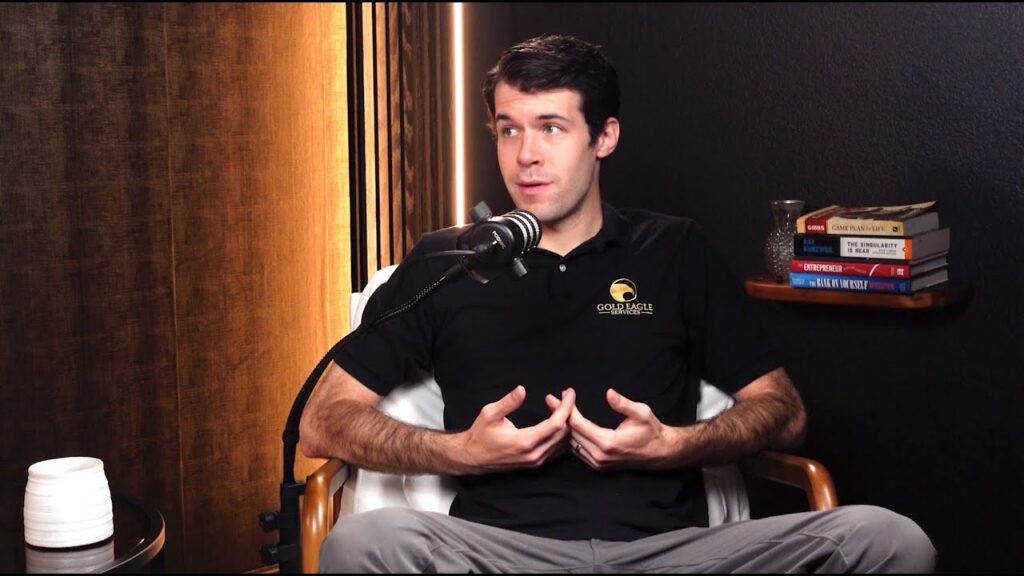

Hosted by Keating Kuhn. This podcast provides general information and is not a substitute for professional advice. Always consult a qualified professional about your own situation, including medical, legal or financial matters.
