
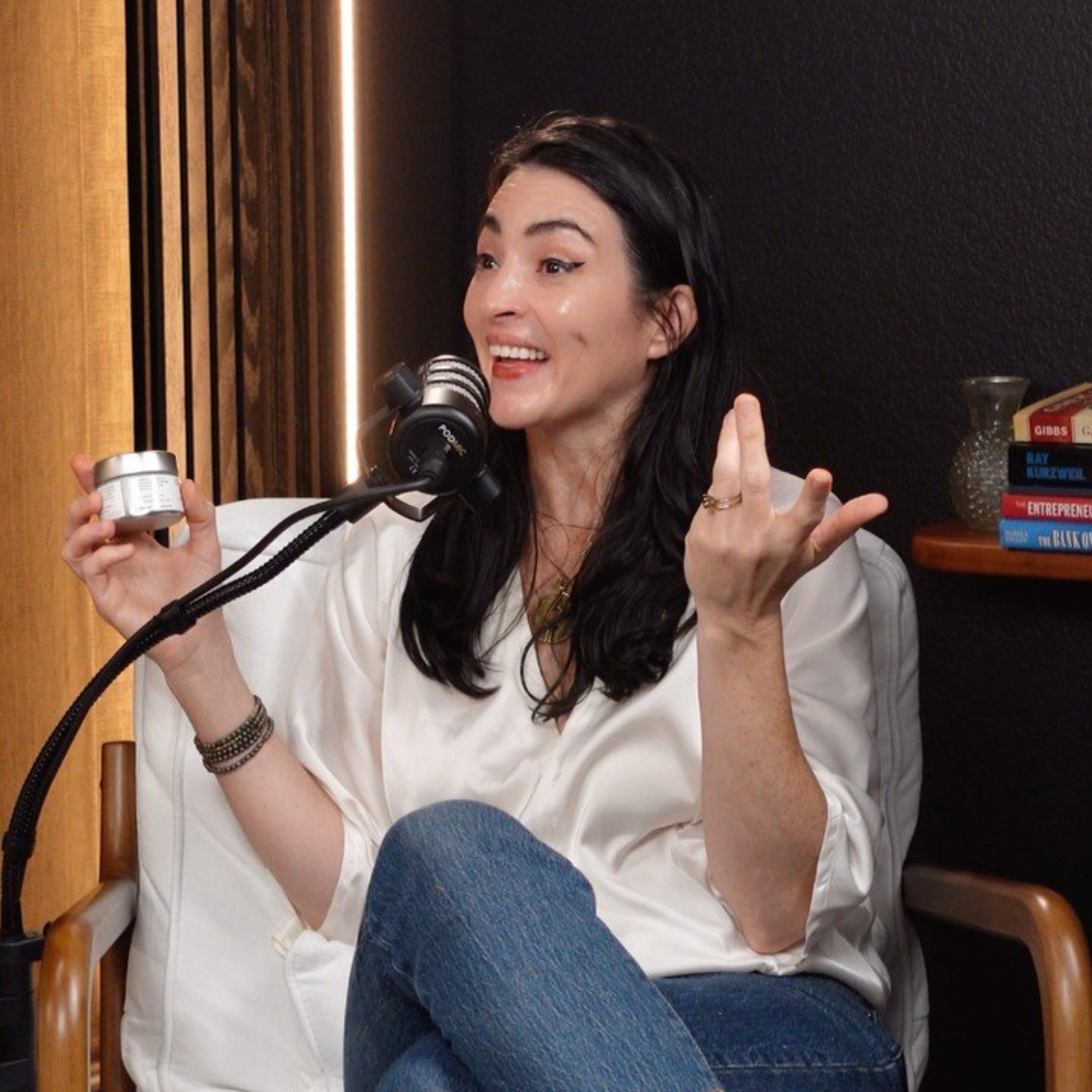
Where to find Raechel Kelley
Founder, Siply Tea
Show notes
In this episode, Raechel Kelley, founder of Siply Tea, joins the podcast to share how tea can become more than just a drink - it can be a grounding ritual rooted in health, sustainability, and intention. Siply was born from a desire to simplify wellness without compromising on quality, using clean, organic ingredients and a deep respect for where our products - and our water - come from.
We explore the powerful connection between matcha and mindfulness, the often-overlooked importance of water quality, and how Raechel’s commitment to sustainable sourcing and packaging shaped every detail of the Siply brand. Whether you’re a longtime tea drinker or just tea-curious, this conversation invites you to slow down, sip with purpose, and rediscover the beauty in daily rituals.
Key moments
- Meet tea sommelier Raechel Kelley
- Three values: clean, sustainable and delicious
- Refillable tins and compostable packaging
- Loose leaf tea and choosing good water
- The tea ritual and slowing down
- Matcha grades and the global shortage
- A caffeine free rooibos matcha
- Growing a tea business from the farmers market
- How to steep tea the right way
The mailing list
Get the next conversation in your inbox.
One short email when a new episode drops, plus practical tips on healthy homes and building things that last. No spam.
Transcript
My name is Keating Coon. This is the science of building your nest I'm sure you guys have seen the cups in the background on a lot of these most of the time it happens to have Rachel Kelly's simply tea. So welcome Rachel excited to talk the world of tea with you Thanks for having me, Katie. Really exciting to be here. Well, I'll let you kind of steer into your origination in the tea world. Probably started from your love of tea, but why you eventually decided to start your own business revolving your own tea. Yeah. Yeah. So it goes way back. I have been drinking tea pretty much my whole life. My mother is from New England, and so we always grew up drinking
tea with her and my grandmother. So it really is in my blood. As I got older and got into life as it is, I made a natural transition to coffee, as most do. And it wasn't until I started experiencing some autoimmune conditions that my doctor actually suggested I lay off the coffee, to which I was like, oh my gosh, what am I gonna do? So naturally I gravitated towards tea because of my roots. And once I did, it opened up a whole universe for me. I have a background in science journalism. So when I explore topics, I go deep. And I really
learned so much just by making that shift about the tea industry and what we're actually consuming with these just modern commercial products. Yeah, no, that's a It's a wild world when you can get into it because from the health aspects of tea there's you know, many scientific journals about it but then you look at the commercialization of Tea in the US especially and you realize that not all products are the same They might be called one thing but you at the end of the day don't know what you're drinking. Yep Absolutely. Yeah. And everything from the type of tea, the flavors that are added to it, how it's packaged, they all have an impact on what you're actually putting in your body. Definitely. Yeah. Yeah. And, you
know, I think where it becomes interesting is the US in general is our big coffee drinkers, but the people who love tea that's basically all they want in life is just to not only have tea in the morning, but for lunch and for dinner as well. So it's a great market. And it kind of takes more of an Asian or a European culture aspect. But bringing it to the US is something that for me, especially who loves coffee, I took a liking to your tea immediately. And so from the organic side, I think that's probably where the health aspects that you had researched you were able to dive right in. So tell us about your tea specifically and why it might be different than the other teas that are out there. Yeah,
yeah, I'd love to. And I'll make the comment that the US definitely is more of a coffee consuming nation, whereas majority of the other countries actually prefer tea, Canada, Europe, lots of other places, big tea drinkers, India, China. What they're finding though with these younger generations is that they're going back to tea. So it is really fascinating to see the culture start to shift a bit here in the US. What we have done to be a part of that is we've really curated a product that we feel really good about. introducing into our market. And so we kind of
have three values that we live by. And the first value is clean. We are an incredibly clean, pure tea company. All of our products are tested for pesticides, mycotoxins, heavy metals, and other impurities. We also don't use any artificial flavor oil, a lot of teas. and I mean a lot, are using these flavor oils that are really, I mean, very synthetically made. And so you really want to stray away from flavor oils. Chai, and I'll just take a moment to show off our herbal chai, chai is actually one of the biggest ones that uses flavor oils. And so We really try to
avoid that. We do have two teas that have a natural flavor in them. They are organic compliant, and that's our Scottish Caramel, which uses almond extract, and then our London Fog, which is a version of an Earl Grey, and that has bergamot oil in it. But outside of that, we are flavor oil-free. So Clean is really big, and our Herbal Chai is just... one of the best chives on the market that you can actually experience like the full breadth of the spiciness without having that artificial flavoring. Our second big, big value is sustainability. And so we really make an emphasis on our packaging. And you can see
our packaging, these are our refillable tins. And so how it works is you purchase a tin and then you can actually purchase a refill bag after that. All of our bags, our bulk bags and our refill bags are made out of a compostable material that's derived from sugarcane. And so it's great. Yeah, you throw it in the compost and it's gone You spend a lot of time trying to find something that you could get your hands on that would at least check that box of sustainability Exactly. We went really deep on the actual like packaging. We really wanted to make sure that it was sustainably made and that it was also made in the US. That's a really big deal for us. And that if you're doing the testing and making sure that the heavy
metals aren't there and the mycotoxins aren't there, the material of the bag that it's in has to be, you know, has to be you have to be aware that it's going to keep your product safe. Right, right. Exactly. Yeah. So what's your what's your third? So the third one is naturally being delicious. So I am a certified tea sommelier. So I have blended all of these teas. And again, because we don't use the flavor oils, it adds like a natural complication. to it. Exactly. We can't hit the easy button. We're also using very pure natural herbs as well. So the ratios that we're
using and the blending has to be very, very precise. But we have some excellent blends. I'll showcase our other one, the lemon grass green is one of our newer ones. And we kept getting requests for green teas that would be a really nice iced tea. And so that one is just superb. And it is our Rwanda green, which Rwanda actually makes amazing green tea. They have a beautiful sustainable tea farm out there. So we're using their green tea and blending that with lemon balm, lemon verbena and lemon grass to create this like very zesty citrusy experience that you can have both hot or iced. And so I'm sure in Texas, people are people are knocking down doors to get iced
tea. That's the staple, not only in Texas, but the south in general just loves their iced tea. Absolutely. Most people will go to Lipton, which is the worst. Bless them. Hey, I grew up on it. I get it. Yeah. And now you've fused your own match up to kind of compete with the Lipton lovers. Yes. That's what we're hoping for, for sure. Well, I can speak from experience that you've checked the box of. of being delicious for sure. You know, from the mycotoxin and heavy metal aspect, I know there's been a lot of studies about, you know, people feeling anxious when they drink coffee and it might not be the caffeine necessarily, but it actually can be the mold that's, you know, affecting their body. So how do you go through that process of verifying that
your tea is, you know, is clean? Right, right. It's a great question. So we work with brokers out of different countries. that actually help us do all of our testing and they're actually tested at multiple points. So they are tested before they come into the country and they're tested after they get into the US to make sure that no mycotoxins have built up in that transit time. You know, the other point that's really important that we haven't totally covered is we do all of our herbal tea and tea in general as loose leaf. And there's a huge reason why we do not use bags. And that is because of the toxins, the microplastics, the bleach, all of
these terrible things that are actually found in tea bags that people are consuming every day. And you are steeping this in hot water, which is the perfect extraction for any of these toxins to let loose and then be freely absorbed into your body. Yeah, and that actually goes into a great conversation, which is what water are you using for the steeping process, which we've talked a lot about water over the years. And I think that that goes hand in hand with the tea that you're drinking. If you're drinking very healthy tea, you really want to make it with the healthiest, cleanest water that you can get your hands on. Definitely. I always say that water is the most important ingredient of tea. So the big thing is Do not use tap water. Please use some sort of filtration when you are
brewing tea. There's actually this excellent site. It's environmental working group ewg.org where you can go and plug in your zip code and you can look at the contaminants in your tap water. And it is shocking. absolutely shocking, and this is the same water that we're consuming. We're bathing our children in, we're brushing our teeth with, and so a totally separate topic from toxins and tea, but our toxins and water are very, very real. So we should make a valiant effort to use a really good filtration system when we are going to consume water, whether it's in tea or on its own. Certainly. And yeah, we talk a lot on the show about the importance of
what goes in your body. And obviously air quality is not most important, but when you talk about the other aspect of things that you put in your body, the food and the water are huge. And so, you know, I think when it comes down to the water that's coming from the city, they might not always have the cleanest filtration. And so, you know, what you're now Heating up to 190 or to boiling I'm sure there's certain things inside that water that probably affect the body more when you boil them I love to say that we're all walking, you know science experiments in general, but from the water aspect That's a that's a huge tangent that is so important to You know what? You're what you're steeping in your tea. Absolutely. Yeah. Yeah, it's it's huge and I really like
to say that reverse osmosis and distillation are the gold standard, but really if you can't get your hands on those. at least use some sort of charcoal filter that will filter out a large amount of the chlorine because the studies even in the mainstream community that are coming out about chlorine consumption are very shocking. Definitely. Definitely. Yeah. And then, you know, especially from the clean aspect, that's a huge topic of discussion with the people that are, you know, basically buying your tea because you want them to have the full bodied experience. And the water that we drink is going to impact how we feel on a day to day basis. hopefully everyone's drinking enough water and I think the studies out there show that almost no one is drinking enough water because you really should be drinking water at all points during the day
but especially when you're when you're adding tea to that water you want to make sure that it's the that you're getting the absolute cleanest that you can be so I love that when it comes down to how you are experiencing the tea. I know you have some rituals that you love to do when you drink your tea. You know, you talk often about the fast paced lifestyle that us as Americans live and now really globally. But when we go back to the origination of tea, it was a much slower lifestyle. And so people were able to steep their tea and, you know, take moments of time in their day to enjoy the little things which happened to be tea. So can you tell us a little bit about how you enjoy your tea? Yeah, yeah, absolutely. And this could be a really
big conversation, as simple as it sounds. I've actually done entire tea rituals here locally in Austin to really help people experience not only tea to its fullest, but just that moment of peace that tea culture was actually born out of. You know, there's an old proverb that says, Sometimes and I'm gonna paraphrase but essentially it says sometimes you think you need the tea but what you actually need is is the tea ceremony and what it means is you what you're actually craving is that that moment of peace and that that moment to sit with yourself and That's where tea culture was really born out of the the Buddhist
monks used green tea years and years and years ago to meditate. That's one of the things that actually popularized tea so much. And the reason they used green tea was one, because of the caffeine in it, it would help them stay alert to meditate. But two, because of the theanine that's paired with that. caffeine. And so it was that perfect blend that helped them stay in that meditative process. And so from there was born this beautiful culture of tea. And now when you go to China and experience a Gong Fu ceremony, or you go to Japan and you experience these matcha ceremonies, they're very intricate multi-step processes that are really designed to fully immerse you
in the experience so that you can be very present. And you don't have to go to Japan to experience that moment. We actually have on our instructions, little breathing exercises, I call them steeping exercises that you can do when you are steeping your teeth. Because tea is not like coffee in the sense of like, hey, throw it in a drip maker and let it go and then go do all the things that you need to do. Or a Keurig. Exactly. We've commercialized coffee so much where it's, let me get the quickest cup of coffee I can and get out the door. Totally, totally. The intention behind tea is to have that moment of pause, have that moment of patience.
And if you're making it right, you're doing the long steep, which we do have all of the steeping instructions. instructions on here for those who are needing a little hand holding during that process. But I really invite anyone when you are enjoying any beverage, it can even be water to take that moment to be fully present. You know, with tea, I always say get into your senses, experience the warmth of the cup, smell the tea, allow all of your senses to really like take that moment in and and that I feel like is what our culture is really missing today when we have this like go go go you know onto the next thing this like um productivity just like
drive you know um we aren't prioritizing these moments to really take pause And so that's what I really try to encourage people to do. And with our tea rituals, and we actually do have a ritual tea that I designed with specific herbs to help enhance some of these things that we're talking about. With the ritual tea, you can really take that moment to... even manifest if we want to get into the woo-woo side, which let's go there. Yeah. Where you're even whispering an intention for the day into your tea before you sip it. During our tea rituals locally, I'll have people draw symbols on their cup that represent what
they're trying to call into their life. And so you can really take it in a lot of different directions, you can make it as complex as you'd like. The traditional matcha ceremony is like 40 steps, or you can make it as simplistic as taking three deep breaths before you take your first sip. Yeah, no, and I think especially in the day and age where we think that productivity just means to unleash ourselves at work for eight hours in a row. You know, there's a lot of studies out there that say, hey, you got to take five or 10 minutes every hour and actually take the deep breaths and go for a walk and, um, you know, implementing a process of T to where you spend those five or 10 minutes and actually step away
from your computer and let your brain relax. You're actually going to be more productive at the end of the day anyway. Um, and, and especially, you know, in our lifestyle where, um, we are go, go, go, I think, uh, the, the relaxation, the, intentionality and letting the anxiety go. A warm cup of tea for some reason is just so much different than holding a warm cup of coffee. It's almost the dynamic nature of the ingredient inside of that cup that makes you have to pause and smell the roses of some sort. Yeah, yeah, absolutely. And again, there are some of those properties within tea depending on which one you're drinking. You know, is it an herbal tea like our lemon grass? green that has the lemon balm that is inherently very calming, or even
a ceremonial matcha, which has very high amounts of thening, like I had mentioned before with the green tea. That certainly helps with that process. Totally. Well, tell us about your matcha, because we were talking earlier about matcha in general, one, that there's a shortage, which if you're not in the tea world, you might not know that, but that there's some counterfeit matches that you might need to be aware of. Absolutely. Matcha is a big deal right now. So matcha has become very popular all over the world, actually. And I'm sure most people have seen, you know, there's matcha ice cream and different types of matcha beverages with like strawberry. I mean, they're making like matcha candies, all the things.
And what's happening is that the real high quality matcha ceremonial grade comes out of a very specific part of Japan and how ceremonial matcha is made is they only use the top two leaves of the the shade grown green tea that they use to to actually like stone grind the matcha. Well that only grows once a year and it and it's only released like usually June through September and once that's gone it's gone. You have to wait for that first flush again those two first leaves to regrow again the next year and so Japan literally cannot
keep up with the demand the global demand of matcha these days and so our ceremonial matcha is direct from Japan and again it is that that top-tier grade so Why does that make a difference? It's very high in theanine. It's very high in chlorophyll because they're doing that shade grown process. It's not as bitter, you know, and it has this sort of like creamy sweetness to it. Which might not be what people think of matcha when you're saying that. Yeah, yeah, yeah. I've heard so many people say, oh, I don't like matcha. It's really gross. And then I have them try mine and they're like, wait. I didn't know matcha was supposed to taste like that. And so what they're getting, the gross matcha, let's
talk about that because that's really real. As we go through this sort of like matcha shortage, you know, there are multiple grades of matcha. And so ceremonial is the top tier. And that's what we're talking about with the top two leaves. As you go further down on the plant, the leaves get more bitter. Okay, now that comes with some trade-offs. They do also develop more polyphenols, which are an antioxidant, and they do have more caffeine in them. So, you know, you get a little something, but... huge trade-off with the bitterness. So you will typically experience a lower grade matcha, maybe like a culinary grade matcha. That's what they're going to use for like the ice creams,
the candies, you know, the donuts, all of the food grade matchas. You'll experience that lower stem of the leaves. through those products. But with this matcha shortage happening, people are packaging this culinary grade matcha, which isn't necessarily intended to be a beverage grade matcha, and they're selling it as a ceremonial or as a barista grade matcha and so you really want to watch out for that and also you know when we think about the the cleanliness and the quality of the matcha people are going to be putting out different matches matches that are grown in japan or excuse me matches that are grown
in china and much as that are grown with different chemicals and whatnot to like try to produce them faster. So now more than ever, it is extremely important to know where your mantra is coming from. Is it organic? And How is it cultivated? What grade is it? All of these things, if you're drinking matcha regularly, you wanna be asking these questions. Yeah, and for someone like yourself that's a tea sommelier, you could probably tell the difference between the ceremonial grade and maybe a culinary grade or I'll put fake matcha in there because I feel like that's probably what most people are used to when they hear the word or when they drink it. Yeah, so when people think of matcha, they usually think of green
tea. obviously. So matcha technically means tea powder. And so we were thinking a little bit outside the box on this. And because I am very sensitive to caffeine, and I think a lot of people are, I wanted to create a matcha-like experience but without the caffeine. And so what came out of that is our red rooibos matcha. And it essentially doesn't have any green tea in it. What we did is we took rooibos, which is an herb out of South Africa, and used that same stone grinding matcha technique that they use in Japan to grind it into a very, very fine particle size. We did the same thing with rosehip, which is a wonderful
herb full of antioxidants, has a little bit of like a tangy flavor to it, very, very high in vitamin C. Ground that into a very fine powder and mix them together. And so you get this really amazing herbal tea experience, but with the body and fullness of a matcha. So you can actually make this into a matcha latte and you'll do it in the exact same process that you would a regular matcha, which is for those who aren't familiar with it. You take a small amount, maybe half a teaspoon, maybe a teaspoon, and you're actually going to whisk it in water. And then you add milk to it, milk or water, to create the full cup and the latte experience. The great thing
about this is, one, you are reducing steep time. So if you're just trying to run out the door, it's a great way to make a fast cup of tea. And two, because you're actually consuming the powder, you're getting super dense nutrients with this. Now, with an extraction, you're certainly pulling out the nutrients, but it's not the same if you're extracting it in hot water and then you're actually consuming it. So it's a higher dose of nutrients. Roybus in general is very, very high in antioxidants, so high that they're actually developing different skin care products that can treat sunburns with Roybus. Yeah, it's a very special product. People are seeing it more and more. It's becoming a little more popular in the herbal tea world.
making it as a matcha is certainly outside the box. And so I'm really trying to share this product with people because it is so unique. And again, I feel like it's kind of scratches this itch that no other product is doing. Yeah. And so you were, you were saying earlier too about the basis of matcha is a stone grinding green tea. And so in, in the rubabos, you are basically taking a flower or is it a - It's more like a grass. So technically - it's an herb, but it's a grass out of South Africa. But it doesn't have the real earthy flavor that maybe I'm picturing in my mind. It has a very different flavor than a green tea. Yeah, it's much more bold and it has like an inherent sweetness to it as well.
Incredible. Yeah. Yeah. I mean, it makes a really wonderful bedtime latte. That's kind of my favorite. So I'll do, you know, about a teaspoon of it with some hot water, add my warm milk to it, some honey, a little bit of salt, maybe a scoop of collagen. It is the perfect nightcap. Is it a good kid drink too? Oh, it'd be an amazing kid drink. You know, I have a four-year-old son and he has grown up on tea. So any of these herbal teas are great kid drinks. I would say mostly our African Honey and the the Red Roibos Matcha because those are very gentle herbs that have a lot of antioxidants in them. You know,
other teas that have Different properties and herbs you may want to watch out like our ritual tea I wouldn't necessarily recommend that for children because it does have blue lotus in it, which some say can be slightly psychedelic So maybe avoid that one for the kids That affects more the dreams. I think that's why people call it psychedelic. Exactly. Exactly. It's subtle. Can you tell us about where you had to find your matcha through like, you know, back in the day when you first started, I'm sure this was a whirlwind of man, I want to make sure that my tea is the best out there. Yeah, yeah. It's been a journey really cultivating the partnerships with the different farms and brokers that we use. Right
now, we're direct to Japan. So we're using farms in Japan. And I've been able to meet them through various connections, going to conferences and whatnot. And it's been such a gift to actually develop these relationships and know where things are coming from. coming from. You know, I think it's really important. It's just like anything else with our food, you know, it's been a huge calling to know where our meats coming from, where is our beef coming from, get to know your your local beef rancher. And so it's it's the same deal with these these herbal and tea products, you really want to know where they're coming from. Can you tell us about the moon mama tea as well? Because that's more of a it's not woman only tea, but it certainly has some enhancements
for women. Absolutely. The Moon Mama Tea is a really special tea for us. We really wanted to develop a tea that was specifically for our our women community. We are a woman-owned and operated business and so both of us actually both of us owners have children and in that journey you know we needed different teas to support us in our pre-pregnancy pregnancy lactation time. And so we developed this tea, which has honeybush and raspberry leaf, oat straw, nettle, all of these really, really nutrient dense herbs to help support a body that is growing another human
being or producing milk for another human being. And it's actually even outside of that time, the raspberry leaf is a wonderful uterine toning herb. So even women who are still menstruating. that is really, really perfect time to drink Moon Mama tea because it's very supportive of that process. So it is targeted towards a women demographic, but I will say it's so delicious. I've certainly had many men drink it. Totally. No, and I think it's great that you're able to implement tea into so many different environments because there's probably not too many people out there thinking, how can I take this herb and the medicinal properties that it has? use it for not only moon mama, but just in general,
right? There's so many exciting aspects of. the tea leaf that you can use for a million different things. Yeah. And I want to clarify one thing because I think it's really important to understand. Tea is a very specific plant and then there are herbs. And so when we talk about tea as a whole, we kind of call anything that you steep in warm water a tea. But the truth of the matter is tea is only that one specific plant. And when we talk about herbal teas, they're technically in the industry called a tisane. And so I think that's just something worth sharing. As people go on their own deep dive in the tea industry,
just beware of things that are always called tea. Sometimes there can be other things in them and you always want to know exactly what you're drinking. Yeah, that's a great fun fact. I feel like tisane probably came out of the 70s somehow, but that's awesome. You grew up with tea. And you went through your own autoimmune issues where you really had to lay off the coffee side and probably went back to tea. And then you went through the process of learning about what's out there and not really wanting to deal with the health consequences that might come from the random teas out there. And so through your process of finding the tea that you wanted to drink, you now saw a complete opportunity in a business way that, hey, I bet there's more people like me that love tea and want to drink
the cleanest available. Absolutely. Because this podcast is, you know, it's a blend of a lot of different things, the health aspect and especially on the tea side that checks the box immediately. But you also have the business side and, you know, a tea business is probably pretty rare. I'm not in the tea world, so I don't know for sure. But can you tell us a little bit about how you cultivated the business of tea? Yeah, yeah. It's really evolved a lot throughout the years. I took a bit of a ready fire aim approach with this business for those who've read that book. But your description of my journey was actually pretty accurate in that I shifted to
tea, I did a deep dive, I became a certified tea sommelier and realized, wow. I don't want to drink any of the teas that I can go pull off the shelf at the grocery store and so because of that I had developed some relationships through my uh tea sommelier certification and that's where I started so I started getting my own tea and I realized like people need to know about this So I wanted to start educating people about it and really introducing. I was doing it to my friends and you know, you were one of them. So you remember, I was very excited about this and extremely passionate about it. And so essentially I thought, hey, like, how can I get this out here and start small just with my local community?
And I did that with the farmers market. I think the farmers market is a really beautiful opportunity to introduce products to your community and really talk face to face with customers and have those interactions. And so it became such a magical journey for me because I would bring in these teas from different countries. and I would share them with people at the farmers market and I would be able to get this live feedback and I would prepare them in different ways and teach them. I would even give them little recipe cards on how they could make them when they got home. And so from there, the business really evolved. when COVID happened, I stepped away from the farmers market. And because the Austin farmers
markets have such a rich tourist environment, I was able to actually just use a website and get orders domestically through that. Yeah, you had to pivot. I did. I did. Yep. And I'm grateful that we survived that because there were many farmers market businesses that did not. That's the struggle of small businesses in general, right? I mean, something like COVID was completely out of the norm of why most small businesses may fail before that first year or those first five years. But something like T, where you had really made your major first couple of years through the farmers market and basically that homegrown outreach and having to pivot on the
fly, kudos to you for figuring it out. Yeah. Yeah. I mean, we made it work and we had an extremely loyal customer base, which I'm really, really grateful for. After that, you know, we started shifting to wholesale. And so now you can find us here in Austin and several local coffee shops, radio, Praxis, Walton's Fancy and Staples. And we're very, very intentional about who we're working with because we really only want to partner with companies that really prioritize quality products. Many times, again, you mentioned small businesses. It is tough and I have a lot of respect for them. many coffee shops and restaurants in general, they're thinking about the bottom dollar.
And I have taken many meetings where I've said, hey, listen, if you are just looking to get the cheapest tea, that is not us. We're not gonna be a good partnership. Now, if you are looking for a really high quality product and someone who's gonna come in and educate your staff on how to prepare this and how to talk to customers about the beauty found in these products, let's do this, you know, we're, we're, we're a match. So yeah, no, and that's fantastic too, to get your name out there. Um, cause you know, so many coffee shops in Austin, it's not usually, um, you're definitely not going after the Starbucks and we really don't have a lot of as many Starbucks as a, as a big city might just because we have so many of these small business coffee shops. Um, and certainly there's, you know, a certain amount of them that are smaller than others and
don't have multiple locations, but, um, radio coffee is one of the favorites and, um, you know, to, to plug yourself with these, with these local. brands that are kind of staples now in the Austin area, I think is a great way to get your name out and really start to facilitate more people drinking your tea, falling in love with it, and then going directly to the source. Can you go into the steeping process a little bit? Because someone like me who didn't really know the tea game, I knew how to make my coffee every morning, but until you taught me, I really wasn't familiar with the steeping process. And you're going into these small coffee shops and teaching the staff how to prepare your tea to where the end user is going to get the best experience possible. So can you give us an overview of the best way to steep your tea? Yeah, absolutely. You know,
it can be complicated because not every tea is steeped the same way. So we do have all of our instructions on the side panel. The amount of tea, the temperature of the water and how long you steep it really vary based on what type of tea you're doing. So any sort of herbal tea that would be caffeine free, you actually do want to boil that tea because you want to get a really good extraction to be able to draw out the flavor and the nutrients of that tea. And steep time is usually much longer on those as well. For our herbal chai, we're steeping that for 10 minutes. Where our milk oolong, which we're enjoying right now. And that one, you're actually only going to steep that at 190. That's a partially oxidized
tea that doesn't need a long steep either. And so you steep it. Yeah, it's only for a couple of minutes. Only a couple of minutes. And then you can actually even re-steep that. For the teas that are using a very high quality variety of tea, and it's not fully oxidized, you can get multiple steeps out of it, too. And then you have, you know, our Scottish Caramel, which is a fan favorite. I call it the Gateway Tea. Anyone tells me they don't like tea, I'm like, wait a minute, I've got a tea for you. That's made with a Puerh, and a Puerh is a fermented black tea. And so that one is a little heartier. It's not going to get as bitter on you. So you can steep that one a little bit longer. Traditionally, they do say to a steeper, it for a very short time, but if you're looking for a really bold
extraction, that one is fantastic because it does kind of scratch that itch for anyone who's used to coffee, but gives you that full, full flavor and tea experience. And one thing that most people might not do if they're drinking bagged tea is add milk to it. And I know that's something that when you were making me tea a long time ago, you would put a little splash of milk and my Lord, what a difference it makes. So tell us That's a little machine that you normally use to spin the milk up and froth it and what it kind of does to the enjoyment of the tea. Yeah, yeah. I think that this is actually one of those fine details that does make the difference on just how rich a cup of tea can be, especially
for people who are used to a coffee drink. no milk, like no fluff, oolong might not do it for him. Whereas you take, again, like that pu 'er or, you know, one of our rich herbal blends, like our herbal chai, and add that nice fat to it, that milk, whether it's a plant-based milk or a dairy milk, that creaminess and richness really helps with just creating that luxurious experience and also your you're introducing the fats into it as well, which help deliver the nutrients into your body even better. So there are a couple different facets there. There's
like the actual enjoyment of the tea and then there is the nutrition accessibility as well. Yeah. And on top of that, I know on some of your teas, I sprinkle a little bit of Himalayan salt in there just to, uh, richen up that, that taste. Um, and at least for me, when I put milk in tea, it actually gives me a little bit of a, um, it staves off the hunger for a few more hours just because there's actually some calories in it. Um, so the fact that, you know, in the morning now I'm drinking my normal water and tea, it's not as, you know, coffee is a diuretic. And so it's actually going to do the opposite of what but you're using the base of coffee, you're using water as well, but now it's not even hydrating you. With tea, it's the exact opposite. There's
so many beautiful things about tea, not only on the health side, but then also just the ceremonial aspect of it and taking a breath in our busy lives. Is there anything else that we haven't covered in terms of tea or the business of tea or Rachel Kelly, anything? Well, I just want to build upon your little morning ritual that you described because I will even add more than just milk and salt. I love that you mentioned salt because I actually do that to almost every cup of tea that I make now because it does open up the palate a bit more so you can experience the richness and the flavor. And then it's adding some electrolytes to the water as well. So I will add milk, salt, collagen. you know, honey,
of course, or maple syrup, depending on, you know, what you're feeling at that moment. Yeah, very, very popular in Canada. Yeah, I will even add, and this can be somewhat controversial, but I will even add like a little bit of bitters. I have a friend who has a wonderful company called Juge that they have different flavored bitters and they have a cacao bitters. And it just adds this wonderful dynamic and it also helps with enhancing your digestion as well. That's a local Austin company as well. Can you spell zhuzh for us? It's J-U -J. Perfect. Yeah, and it's a phenomenal product, so I definitely give that one my support. But there are a lot of different things. You can also add MCT oil if you're looking to, or
just plain coconut oil if you're looking for a little more fats in your mornings. Yeah, you really can add a lot of different things to it to create that. almost like breakfast in a cup experience. Yeah, all the things that, you know, probably a lot of people in Austin do on a morning basis as is, right? You want to get started with a healthy dose of a lot of different things in the morning to really get the energy flowing and get the synapses of your brain start flowing. So, you know, to be able to add it just to one cup, you're absolutely right. It's breakfast in a cup. Yeah, yeah. Oh, you know, it's another great one. lion's mane mushroom powder. Yeah, that's a really good one, too. It really enhances the cognitive abilities and whatnot. Yeah, and
you're almost taking in more like a culinary experience at that point. And I'm sure I'm sure you have many different blends that you've tried and some that probably tastes a little bit better than others. But I think it's more just an experiment with, you know, these these tins, they come with what, 40 cups of tea, roughly. It depends on on which one, you know, there's there's variation in that. But it's usually at least 25 to 30 servings. And it's not exclusively for breakfast either. Another big thing is mocktails or cocktails. You can really go either way with that. But we ran an entire event here locally where we made different mocktails with our tea. And you can get really, really creative with that kind of
stuff too. Yeah, it's crazy when you open yourself up to different drinks. I think most of us are just normalized by coffee. And when we go to Starbucks, we have our favorite drink and we go about our business. But to look behind the scenes and see if there's a healthier alternative, not only from the things that we drink, but then the water itself as well, to have an option like this that we know is heavy metal free and mycotoxin free. I mean, I know from my anxiety level, couldn't tell if it was just because of the amount of caffeine that I had in my coffee, or if it maybe was coming from mold. But I can definitely tell the difference when I drink a cup of coffee versus a cup of tea, how it makes me feel energetically. So I can't can't thank you enough for creating
something like this for all of us to enjoy. And thank you for coming on on the show as well. Can you tell us how we can find Sipley? Yeah, absolutely. So we are SipSipley.com S I P S I P L Y And you can also find us on Instagram at SipSiply. And thanks for having me. Of course. Thanks, Rachel.
This transcript is generated automatically, so names and words may be off.
Keep listening
You may also enjoy
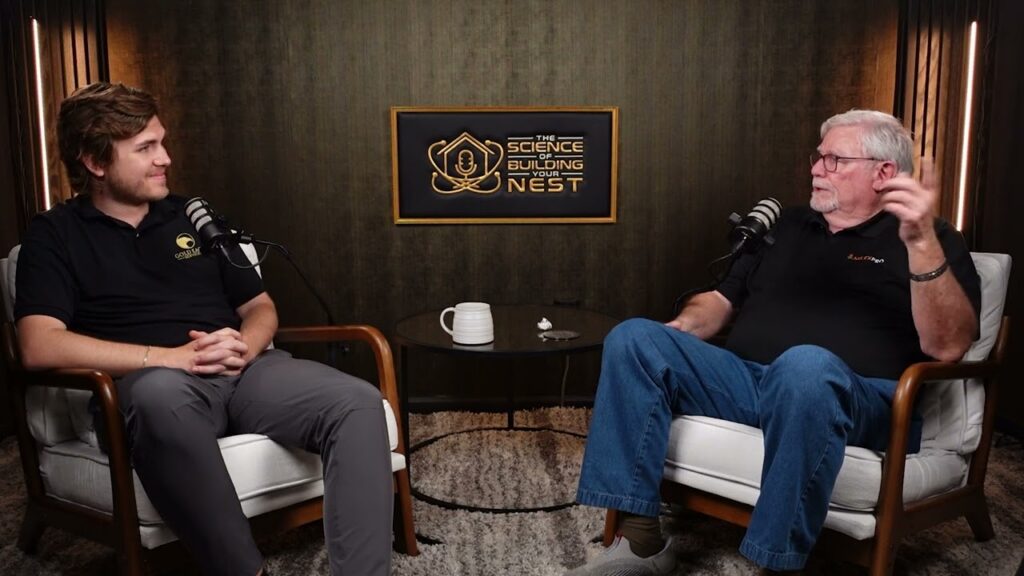

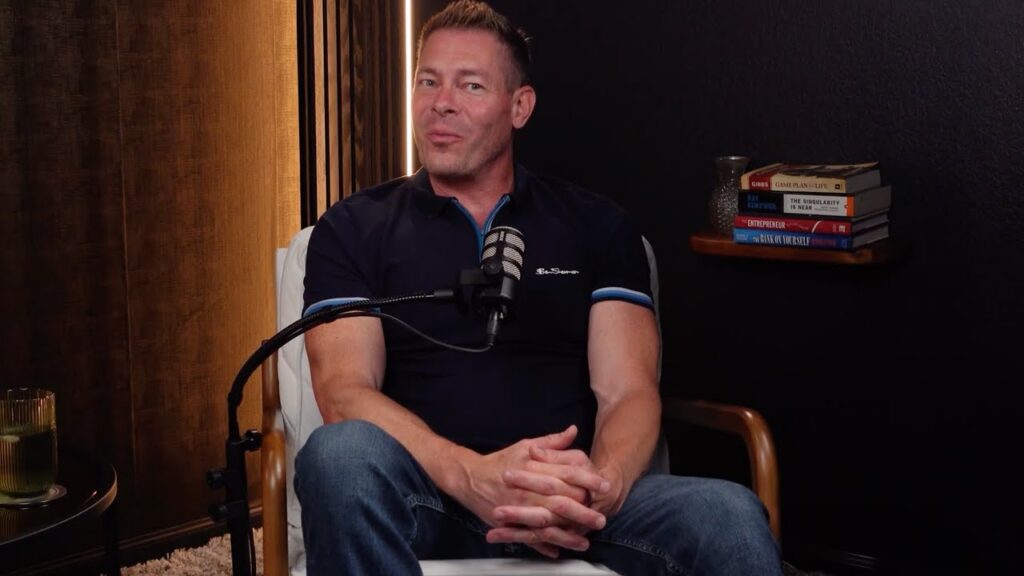
Hosted by Keating Kuhn. This podcast provides general information and is not a substitute for professional advice. Always consult a qualified professional about your own situation, including medical, legal or financial matters.
