Episode 1 / May 9, 2025 / 74 min
Aligning Around Purpose, Education, and Healthy Homes
Where to find Sean McNinch
Business owner, Pure Maintenance Central TX
Show notes
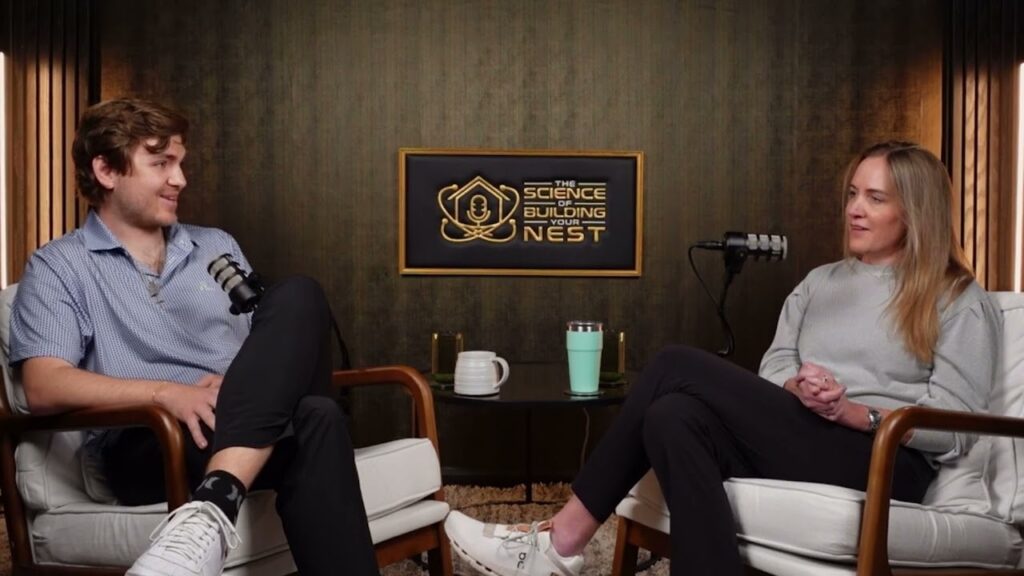
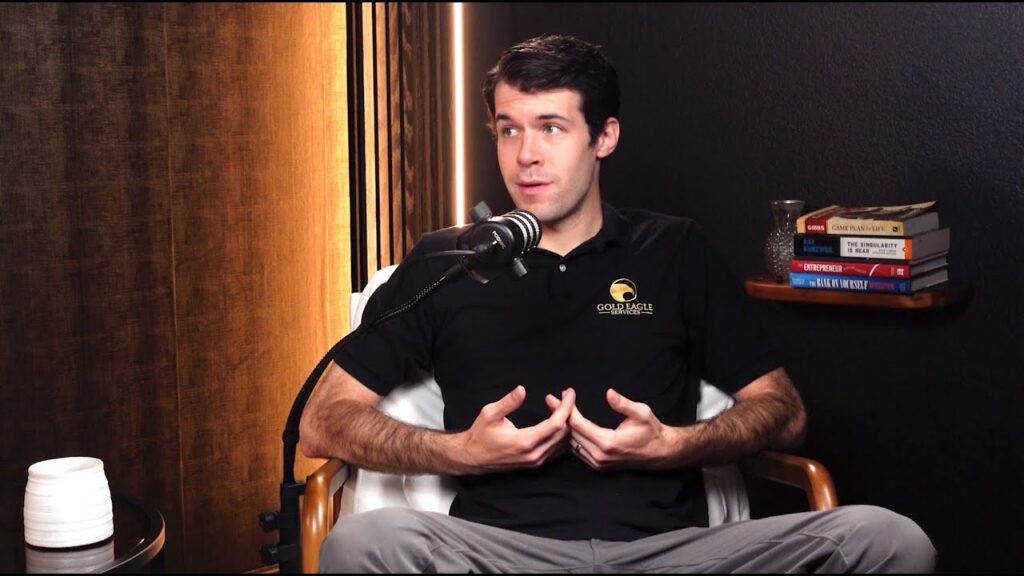
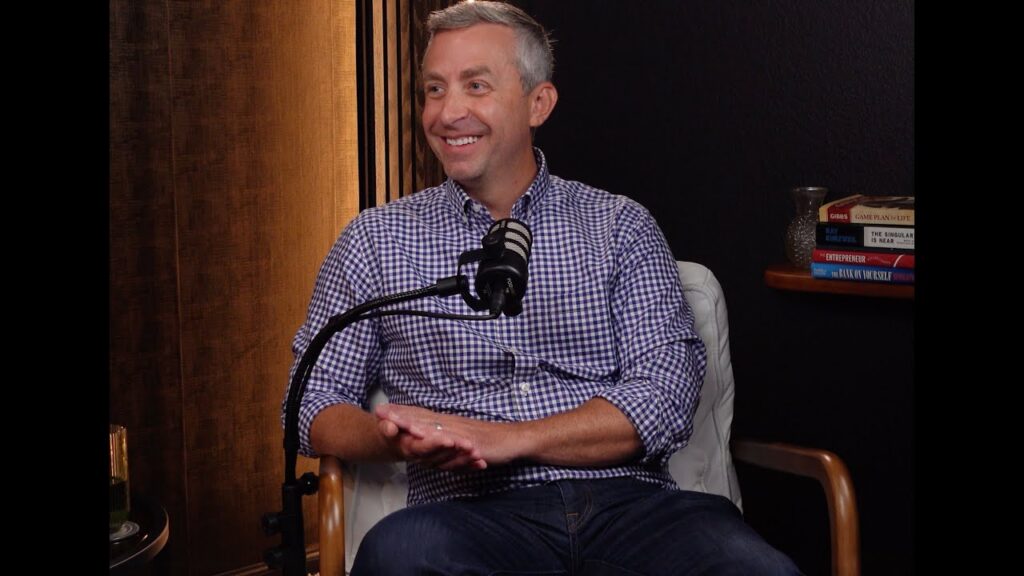
Two business owners - Keating Kuhn from Gold Eagle Services and Sean McNinch from Pure Maintenance Central TX - sit down to discuss the intersection of HVAC, indoor air quality, and building science. Together, they explore how the design and function of a home directly impact air quality, comfort, and long-term health. From ventilation strategies to insulation, ductwork, and dry fog technology, this conversation offers a practical look at how systems thinking leads to healthier spaces.
Whether you’re a homeowner looking to improve your indoor environment or a professional in the field, this conversation brings insight and clarity to the systems behind the air we breathe.
Key moments
- Filtration, ventilation and dehumidification come first
- Meet Sean McNinch of Pure Maintenance
- How dry fog differs from wet fogging
- The humidity question that started a partnership
- Why lowering indoor humidity makes results last
- How Gold Eagle Services got its start
- Exhaust fans, sealed duct boots and supply grilles
- A four-ton system in a 1,400 square foot house
- What The Science of Building Your Nest means
The mailing list
Get the next conversation in your inbox.
One short email when a new episode drops, plus practical tips on healthy homes and building things that last. No spam.
Transcript
Most contractors have their own opinions of indoor air quality products that go into the HVAC system. I think they have a place. I think that place is at the very end of the protocol. I do not believe that 99 % of people need any additional indoor air quality products. If you're able to address filtration, if you're able to address ventilation and you're able to address dehumidification, that is going to fix 99 % of the problems. And there's a lot involved with each three of those. Sealing buckets and different things, but that will solve 99 % of your issues. Welcome Sean McNinch to the Science of Building Your Nest podcast. How are you? Good. How are you? Good. I'm excited to talk about all the things that we talk about behind camera. Yeah. Let's dive
into it. So what are we doing here in general? What is the point of this podcast? Great question The point of this podcast is to be able to educate our customers With all of the things that we do individually just as a collective to be able to share our knowledge and our combined knowledge and the things that our companies do with a Emphasis on the education so I think you know throughout throughout this conversation will probably talk about things that are Not layman's terms and we'll try to break things down as each of us remember to break things down. So Yeah to start out. My name is Keating Kuhn with Gold Eagle
services And this is Sean McNinch with with pure maintenance of Central, Texas And we've known each other now for five years Yep, been five years crazy we we were connected by Really But each of our curiosities getting to a point in our business that we knew we needed an add-on service for what we were offering. And it really came about by... almost by happenstance, but I think it was the right timing for both of us to see what the other was doing and seeing how we could facilitate each of our businesses collectively. So share a little bit about who Pure Maintenance
is, really who you are and who Pure Maintenance is on the back end. Sure. So as far as who I am, which is just a contractor by trade now, I've been in the contracting industry for eight years myself, I guess, to this point. And it's kind of been fumbling around to different things, starting with like carpet cleaning, trucking deliveries and into now more into the indoor air quality space environment and pursuing that heavily in a few different avenues. But one of the biggest things is just overall health with what the pure maintenance can bring to pretty much anybody as a whole. There's some really amazing. technology that goes into what they do and it's a process that most people are not
overly familiar with or if they are it is been told in a different light there's two different ways to go about basically what pure maintenance does so pure maintenance is a fogging technique technology that basically goes into environments to help eradicate and take over with a Parasitic acetic acid, which is essentially vinegar with peroxide, and it'll basically fog into fine particles and overwhelm an environment to basically go out to denature said pathogens. And one of the things that a lot of people think of when they think of fogging, they think of wet fogging. So there is in the industry, just in general across the board, there's what's called wet fogging. There's also knockdown fogging, very similar
stuff and just different words for it actually. but really it's to fog into the atmosphere, a wet particle, and bring it down to the ground to where it can be wiped up. They do use an antimicrobial, but what ends up happening is it just falls to surfaces. And then they kind of wipe it up or, you know, HEPA-vacuum it up and they hope to get a lot of it. And that's where they pull a lot of test results from and different things. As far as the pure maintenance fogging, that's still... It still goes into the atmosphere, but it's a totally different thing. The whole point of pure maintenance fogging isn't to attach to a particle and help it bring to the ground. The whole point of the pure maintenance fogging is to actually go into the atmosphere to do its treatment, to do what it's designed to do basically,
and that's to go help sanitize an environment. And so part of what that is is instead of a particle attaching, dropping, the particles kind of bounce off the walls, if you would. So as a particle hits a wall, it's gonna bounce off. As it hits down to the floor, it's gonna bounce off. So fogging has been around for over 20 years anyways. It's not new technology. Even into this realm of fogging that I'm talking about, it's been around for a long time. But the biggest problem that most of it was is when the fog particle would hit a wall or a surface, it would splat and it would kind of make it more wet. Whereas right now, with this technology and what it is, it hits wall. bounces into the atmosphere until it starts to expand and fill an environment. And again, then it starts to do baselates magic where it has, you know, something that can actually
help break down these pathogens and make the space a lot healthier. So in a somewhat rounded version of it, that's a lot of what pure maintenance is. There's more to it. Of course, like there's other additional factors which kind of made it to where I wanted to dive deeper into. Overall health we ran into a lot of natural pathic doctors just people that are sick in general and They started running into more and more problems that I thought I needed more and more help to actually fix said problems As far as the fogging goes it is great technology It's amazing for what it does its application is I don't think there's anything better on the market at the moment It doesn't mean technology is always revamping. People are always redesigning, re-engineering.
But what it is is pretty incredible for how fast it can operate, how quickly it can treat something, and the results you can get. And so that's really what gravitated me towards this company is I realized just the impact of how quick, how fast, and how well it produces its quality, which typically you don't get all three. You typically get two. So to be able to offer people A solution that can give them something pretty amazing quick affordable and just all the way around It's not something that normally happens in any type of consumer world. Normally you get scammed out of one of them So yeah, so that's kind of what drove me towards it and then the more that I learned about it the more I was just like me and I got to get into this and then when I finally got into the space into the area then I realized
that I Could help fix a problem but then to keep a longer lasting solution to helping these indoor air quality treatments for pathogens like inside a home structure environment, there needed to be more help. And by that, it just, I found basically, Gold Eagle found you guys. And I was like, okay, this is, I think the answer because before I found you guys, I talked to several HVAC companies and they did not understand What humidity does to a home and they didn't care and I had conversations and they just was never They just never cared. They never made it like it mattered and they
would tell people. Oh, well humidity in the home That's just normal. It's Texas. I heard that probably ten times straight And what actually made the difference was I finally had a conversation with you and I would put you kind of on the spot I was like, okay, this is why I run into all the time And my internal test was, is he actually gonna take responsibility for his job? Which, you did. It was, can humidity inside the home? Is it hurtful? Is there something that can be done about it? And your immediate response is absolutely. As a contractor, there's a lot of things that go into it now, as I've learned. Tons of things about the HVAC industry. But as far as can humidity be affected and changed via the HVAC? Absolutely. Now there's a lot of factors and we'll dive into probably some of that. But
you guys were the first company that actually took responsibility and said, yes, there's things that can be done when you have growth, when you have issues, when you have pathogens building up, like something needs to change. It's not OK. Just because it happens often doesn't make it OK. And so from that point on, I mean, that's kind of how we got started in the beginning was just you guys were a contractor that cared. And now I've been just bugging you guys for five years. And I'm sure if you were to ask that. same five, 10 contractors, that question today, I would assume that a lot more of them would give you the correct answer. Um, I think from my perspective, Austin has gotten more humid in the past four or five years. And so, uh, the things that I was seeing, especially in new construction, spray foamed houses, it was starting to peak my curiosity because there was no rubric for
what I was seeing. Um, and I didn't really have anyone that I could reach out to, to, to understand more of that. It was more a building science issue. And so we know that the The HVAC system is a large component of building science in general, but it's not everything. It's the building type. It's the way that the homeowner is living inside the home. And I think you give a great synopsis for pure maintenance and what it is. In general, when us as HVAC contractors are looking inside of plenums, and I think that really was the telltale sign for you from other HVAC contractors as well of, you know, Most HVC contractors would say microbial growth inside of a plenum is normal. Where it isn't normal is just saying that it's
no big deal and put a UV light or something and it'll take care of your problems. Which is what most people said to that point. Before we got introduced, before we started doing stuff, before we started learning the ins and outs of each other's industry, which took... years, uh, before we really have gotten there. That was the answer I always got. Well, it's just Texas that happens. And yeah, they'd stick a UV light in there, which, you know, we'll get into that, but that's something obviously you guys had a different belief in as well. Yeah. Uh, curiosity stems, uh, seems to stem from seeing things once and wondering how you can be a better contractor. Um, and especially from the HVAC side, there's always something
to learn. From the mold side, there's definitely something to learn as well. When we look at the HVAC system as a whole, and obviously you've had to become at least knowledgeable enough as an HVAC contractor, what are some of the main things that you've learned from the perspective of normal five to 10 year old system in a house and the things that you've seen? It's a really loaded question now, you know, there's just so many different things with homes just in general, you know learning about how so many there's a plethora of issues that can be done in the ductwork alone just to create humidity inside the home, whether your buckets aren't sealed, whether,
you know, there's triangles in there. I mean, there's so many different things. Flaps could be open. It could be a zone system where they're just basically fighting over space. Like there's so many different things that can create humidity in the home. And if you're not having honestly the right contractor, which again, I didn't know any of this before I met you guys, but it's like until you get to the place where you know these things and you talk to somebody like you guys did to train and kind of teach. And for a while we weren't necessarily together. We just kind of referred. And so it was a back and forth type thing for a while. And I was learning and trying to understand the best I could. And it was kind of a breathing out of fire hose. I think for both of us, like there's just so much in each industry to learn. And I think what's really powerful about it. Was we weren't interested in fighting like we weren't interested in be like, well, this is my terrorist your territory
This is what you do. This is what I do. It was okay. How do we help this client? How do we get this client from point A to point B and make sure that they actually get the best total care. And so I had to learn. I had to learn a lot because when I would go around and look around the attic space, no, I didn't cut it. I didn't touch the HVAC and see anything. But I saw the signs that there were issues in it. So I knew you guys had to come out. And I think that's part of the problem is most people don't really care to do a lot of that stuff, no matter what part of this equation they're in. Um, you know, I think there's, there's definitely plenty of people now that I think are caring more and more because I think more people are getting sick. And so the more that people are starting to realize that they need help and when they go to a doctor, they may not see that help and they have to start searching out other means. Uh, it changes everything. I
actually was talking to a lady today that has had hundreds of thousands of dollars worth of doctor bills. just because they're trying to figure out what's going on with her. And so I hear that story often. This is not the first time. It happens often enough where people are still trying to figure out like, okay, so why am I sick? Why is it here? And when they finally get to our company, they kind of have a clue at this point most of the time now. They haven't for a long time. So that's why I'm pulling and extrapolating. Like over the last several years, it started to change. It's starting to become more aware because there was a lot more fighting five years ago. whereas now it's people are starting to understand it more and more and so it's made a little bit of the job easier but there's still just there's constant education just like we
have to constantly grow it's not like it's it's forever changing there's always different things codes always change new research changes about you know just a plethora of different things and unfortunately the people that have spent hundreds of thousands of dollars are usually the most educated on exactly what we're talking about. They are now. They totally are. And they had to be to basically save their own life because enough people had been in front of them saying this is totally normal or I don't know what's wrong with you to where they had to take things into their own hands. And I think that's really one of the biggest reasons why we wanted to sit down and do this long form of content because we know that the long form is the only way to get through a minute amount of this information.
Um, the, the amount of hours that we've spent talking on the phone almost every night about, um, you know, the different customers that we have and the, the different experiences that we've gone through. Uh, we know that we're on the right path. It's just how many people can we bring in and learn from to, you know, further our education and help more people. Yeah, definitely. At the root of, at the root of your Really at the root of your core, you love helping people. Um, and I think that was what jumped out to me, uh, far and above what you were offering from a business standpoint, but I think your, um, mental attitude and the business that you're in are, you know, one in the same, um, pure maintenance is a company that's based out of Utah and they are really formed on helping people that are, um, that are deeply affected by their home and
the indoor air quality in their home, um, or the lack of indoor quality because it is, it certainly is. not quality. Um, but from, from your perspective, what are, what are some of the, what are some of the things that pure maintenance brings to the table, um, for you to be able to do on an everyday basis? Expand on that question. So, um, pure maintenance as a whole is, is really fighting against a certain, oh, pure maintenance as a whole is, is fighting against the mold or mediation as we know it. And it's a loaded topic because we know that there are many different states out there with their own guidelines on how we deal with mold. And in the HVAC system
specifically, a mold remediation contractor cannot open the HVAC system. They cannot touch the supply plenum inside of the HVAC. So in theory, HVAC technicians are molding mediators when it comes down to molding the HVAC. But what does pure maintenance allow you to do in terms of denaturing pathogens and making sure that the indoor air quality is top-notch for a homeowner? Well, yeah, so I don't know if your expanded part of that question helped a ton, but we'll go for it. So basically, I think one of the biggest things about pure maintenance is, yeah, they're I think in general, trying to pioneer a little bit of a different way of thinking, there might have been a couple before them or whatever. But in general, they're definitely tackling an uphill
battle. And I think they're doing a great job at it and trying to build awareness. And really, it stems from across the board, like I already talked about. It's people that are getting sick. People are having issues and they can't get well anywhere else. But yet somehow they see results after we get doing a treatment. It's like, OK, well, so what's the correlation? How is it that we're going against the grain, but we're also getting results? Well, you start seeing that over hundreds of homes, thousands of homes, tens of thousands of homes for is, of course, pure maintenance is a nationwide company. Uh, they're, they're all over the place. We're based out of Austin, Texas, but I mean, there, there's probably, I don't know, 150 to 200. Don't quote me on that. Cause I really don't know, but I mean, there, there's a decent amount across the board and. Almost almost every major city. We'll have a
contractor. I would say for the most part, yes. But it's an education process, though. So just as soon as you jump in, there's a lot of learning. You hear about this awesome product. And then it starts either you can kind of push this one process and product, which again, I love peer maintenance. I think it's the best thing out there. But then there isn't so much more extended learning from there. They're a great tool. But then it was, OK, we need We need more to fix people that are truly having issues, sometimes just a fog alone. And yeah, their clients can rebound and they can see great results. But the problem with that is sometimes if you don't fix the issue, say it is HVAC related and there is tons of humidity and the plenum is caked with mold and the coil shedding off water like crazy. And it just you don't fix any of that. then you're
going to be in the same spot at some point in time. I mean, that's almost I'd almost classify as a mini water damage. And it's just constant. Like it doesn't change, especially in Texas summer. So I think that's kind of where I'm at with it, where it's what they do is amazing. And it's probably. At this point in time, I still think it's the best thing that's on the market. We're always doing research. We're always happy to look at all avenues when we need to do anything. And I think you and I are in alignment with that. I don't think we'll ever do anything different than pure maintenance, but we're happy to add whatever tools can come along with it. And part of that tool, and our belt right now, so to speak, is looking at other avenues. And the biggest thing in Texas just unfortunately has to be the humidity. In some other states, you're asking about like pure maintenance as a whole. You know,
some other states don't have to deal with that as much. They have, you know, a perfect humidity in general. Their top humidity might be 40, 50 percent. Our top humidity is 99 percent and there's no rain. So it's a totally different struggle sometimes. for us to try to fix these types of problems and that's why like I get it like the HVAC field is very difficult because the problems that we face here are different than somewhere like Arizona. Now low humidity also has its own problems but when you have the high humidity we do here like it just changes things. So across the board they're definitely doing stuff and you know I think pretty much every state and I think what they're doing nationwide as a whole Helping people trying to bring awareness and
try to help people that are again spending thousands tens of thousands hundreds of thousands of dollars Trying to figure out what's wrong with them and trying to bring this full circle to what they're doing and how they can help and basically this information they've gathered over their Decades of learning and then how each person individually now is Building their own decade or two worth of learning and it's it's pretty incredible. What's going on Yeah, well said and to further explain why I feel like pure maintenance and You know your your vibration that you send out You looked at HVAC as a potential issue that your your clients were facing and you said I need to find an HVAC contractor that can deal with these Because you knew the limitations of
pure maintenance Which in theory is if you don't drop the humidity in your home long term Then pure maintenance is only going to get a reset of your indoor air quality. It's it's not going to be a long-term protection Usually we see that six to twelve months after we fog a house that nothing has changed with the HVAC system or the environment inside the home, that that client will see results for six to 12 months. The main objective from our shared goal is to drop the humidity inside the home, to make sure that your ductwork is properly sized, to make sure that the buckets are sealed to the sheetrock. Go down the whole list of the checklist that we have to do as the HVAC contractor. That's really what's going to change the home. for now
and tomorrow. Right. Yeah, I mean, I think I think we're not different from standardized remediation from anything as far as what you're doing. You want to remove the source. You want to remove whatever the issue is. And then you want to perform. How do we get rid of it? You know, from and it's not even just mold. It's anything else like every type of remediation has its own causes of what they want to do in that nature. Just where what we do expands. It's just, OK, well, the age fact is a source and that's where that's where we shine. That's our specialty. That's where we go now. And so it's dealing with those issues. And then when we get done doing a treatment, it helps out with that. Now, if you still have water damage or something lingering, we didn't
tackle it. You know, we we do a pretty good job knowing when we need to bring in somebody else. Somebody else has a massive water damage inside their kitchen, like or inside their bathroom or their laundry just got flooded. You know, we don't go in there and try to say, okay, well we know how to fix all this and we're going to fix it all up for you. We're going to come in here and we're going to write up a protocol. We're going to write up, you know, how to tear out all this and do it. No, that's not what we do. We focus on the HVAC. We focus on overall health inside the home. And that's where I think we shine. is just because we know where our strong suits are and we also have enough research and knowledge in the industry just from talking to other people, understanding, talking to other licensed contractors and what they do and what they see and basically what they go through. So we know when we need to bring in somebody
else to go tackle the jobs that they need to tackle so then we can do what we need to do. And I think that's the biggest thing when people stop fighting each other over this is my space, this is my job, this is what you do. It's like, okay, but... If we work together, we can actually help the client. We can help our customer not just solve this problem, but actually even potentially feel better than they ever have. I can't tell you how many times I've done a treatment or done something to help somebody and they wake up feeling better the next day than they ever have. We've done treatments for people where they've come out to give us a hug because they come out and they're like, I haven't slept that good in 20 years. And it's just it's just different. You don't know it's a problem until you until you know it. And in some issues, which, you know,
we're pushing it just in general, because our belief is, you know, most homes need this, whether everybody knows it or not. And that's just because there's a plethora of reasons why. And one of those is. Humidity sure you had a water damage. You had humidity. You had something that you know, it is okay Well homes and building cones change a lot 80s 90s and even the 2000s with different things and so homes in general If they're not ventilated correctly, they're not doing things correctly on the HVAC side or you know that There's just so many different avenues of why don't size can have the windows make a big effect if they don't size their their their ventilation fans in their bathroom properly, and you have steam on the glass, that's going to be a major issue
long term. Correct. And so we've gone to this industry standard where we want to seal up the building so tight. But then if we don't do all these other things to alleviate these issues. people are going to keep having problems, you know, whatever that is, you know, I'm not the doctor, but I talked to several of the people that are their doctors. And, you know, we have those conversations with them. What are you recognizing? What are you doing? How would you change some of these things? Like, how do we help your clients in general with some of this? And these are the answers we get. Got to fix the ventilation. Got to make sure the humidity is down low. And it's it's pretty standard across the board. You know, fix water, fix humidity. and you have a solid leg up on it. Now there's a lot of other things that go into it for humidity. You started with those with those processes because it really is the water restoration companies and the mold
remediation companies have their processes of what they do when they find X. And we have our own specific process of what we do when we go into home and we find growth inside of an HVAC system. It's very similar to what a protocol would be from a molded mediation side of we need to make sure that we're fixing the source, which is moisture and it's humidity. Um, and usually both tied together because you know, water is coming off of the evaporator core. Like you said, into the supply plenum, that gives an easy, uh, easy growth for the microbial growth to hang onto. Um, you know, an easy path for that, for that. those spores to grow out of control. You mentioned something earlier about the water event
that happens inside of a kitchen or inside of a laundry room. Most protocols just focus on what do you do with that water? For water restoration, it's how do we get the water out? How do we cut the drywall? What level do we need to cut the drywall? Do we need to tear up the floor to dry it out? And then you have the mold remediation that... sometimes comes after if it's been a few days or a week before that's been addressed. What it fails to realize is that the HVAC system has pulled those bores throughout the entire house. And now it's a much bigger problem than just your laundry room or just your kitchen. And so where we take a more holistic approach, there are some things that lack from our code book, unfortunately, at the state level. that
don't address things at a whole home level. They just section off that one area that's been remediated and they say, you're good to go. And the homeowners are left in the wake of that disturbance. Yeah. Yeah. I mean, that's a hundred percent of why I believe like peer maintenance exists today and why they're making a name and trying to do what they're doing is because of exactly that. And I think in the beginning it just started as something that They just saw a great idea. They saw something that worked. They saw something that was exciting They saw, you know data behind it because they have their own articles and different things if you go to their website you can see it they they have the things to show that their treatments and what they do work and It's not
like it's just hearsay they have third-party testing they have the military different like projects that they've done which is really cool and Yeah, the Army Corps of Engineers and we'll link that in the description below. Yeah, correct And so the you know, they treated the Fort McNair building and they saw tremendous results after doing it and so it's just They've they've done the things to show and then like I said, ultimately what I like to have conversations with clients or anything else about How do you feel personally? How does your body feel? How do you feel when you're inside the home? How do you feel when you're outside of the home? Because if you feel better when you're outside than when you're inside, there's probably something going on with your inside. Does it mean it has to be mold? No, it doesn't have to be, but we're in Texas and we find it a lot. So in Texas is the mold state.
Yeah. Yeah, it is. We're notoriously ranked pretty high on that list as far as the moldy estate in Texas, uh, in the United States. And, uh, I don't check it every year, but I've seen it there number one often. So are we there every year? I don't know, but it's, it's up there either way. Yeah. And you talked about the, the humidity control inside of a home. When you look at the building materials, especially from the eighties, nineties and two thousands, not only have we gotten tighter, but then we, we haven't caught up on the HVAC side, adding to dehumidifier, the fresh air. Um, when you look at the type of materials that you're building with, they're more expensive to build a tighter house. Now you also have, uh, off gassing that is coming from these materials and now you're trapping those. tighter as well. And so now you not only have higher humidity, but now you have more VOCs
in your atmosphere. And to someone who has been susceptible to other illnesses, it is a ripe breeding ground for their health to deteriorate even more. And we hear it all the time. I went to Colorado for vacation or I went to Montana for vacation and I felt so much better. And then I came home and I felt exactly how I felt when I left. And that usually is a tilt. sign that something's seriously wrong is when you leave for a week and you no longer have foggy brain, you can sleep way better. It's crazy how many of those stories we hear. Yeah, definitely. I think it's important to know your environment, know what's going on. There's simple things, check humidity, check readings. If you're not
sure if your thermostat's doing a great job, get something to back it up, take a look at it, see. you know, what is my home actually reading at and check multiple areas, check multiple times of the day, check multiple different seasons to see where it's at. And, you know, if you decide that you start living differently, where you keep the HVAC at 78 degrees instead of 72 degrees for some reason, everything's going to change. So you have to recheck it all. Like, it's just I think staying on top of certain things like that are the biggest. tell for inside the home, but inside your body, I believe, yeah, looking at things like exactly what you said. You know, I've seen so many different things that have been labeled to mold toxicity when it comes to headaches and brain fog and weight gain and or,
you know, lack of being able to lose weight or. Just so many different things, it's crazy. And so what I've learned is to never guess a symptom. And I'm not a doctor anyway, and I'm not claiming to be one. So that's not my job. It's not my role. But I've been astounded at what I've heard from people that are seeing naturopathic doctors, people that are seeing people because they have some pretty obscure issues. I've seen even bloody noses coming from mold. And I've actually seen that now many, many times. And so it's crazy. the amount of different symptoms you can have. And so, yeah, that's why we have to start looking at other things. Like, okay, like you said, again, if you go, you travel away and you come back, do you feel, you know, where are you at with it? Or vice versa. Like you went and traveled somewhere else and now all of a sudden you can
get sick there. Everybody's probably stayed in the Airbnb or a hotel room that they don't feel so great when they get there. And there's a lot of reasons why that can be, you know, that can be finally, we're just what we would probably call you. And I, we've talked about it, like their glass ceiling just kind of shatters. And it's like, their body's just dealt with too many things. This was the last straw. And all of a sudden now it has a problem. And so now, now you bring that problem back to your home, right? You find it, you find it somewhere else that, you know, maybe a Airbnb in Boston or a hotel in Boston that, you know, is very humid. And now you come back to Austin and your house once didn't make you sick. And now all of a sudden you're, you're you're finding yourself not sleeping well and sneezing more often and having headaches. Yeah. Right. Yeah. And that can be again, just again. You and I are claiming to be doctors just
reporting things that we see in here all the time. And yeah, when they get back, it can be something as simple as their body still their home may have had that same amount of mold, but it wasn't at the level that somewhere else was that they went. So now when they get back home, they're now susceptible to that type. And they might their body is probably already susceptible anyways to that type, but it wasn't enough to overwhelm their system, so to speak. So they go away. It gets overwhelmed. They come back and now they're having problems like I've never had a problem here. What changed and all this other stuff? And then typically they're going to go through that whole process. They're going to have to go find a doctor. The doctor is going to tell them whatever. And if it's not a naturopath doctor, most of the time there's a lot of testing. They don't start looking at those types of things until later on down the road. And it's just really hard sometimes to detect what is going on in your body for this type of stuff. Yeah. And I think it's important to differentiate because
in general, it's not the doctor themselves. It's really the testing that they're able to do on their clients. Because unfortunately we just haven't caught up on this side of things to where we're able to get to the root cause of an issue where we're treating symptoms. And so we can give you, we can give you something for your headache. We can give you something to lose weight or we can give you something to make you sleep better. But unfortunately that's not the root cause of the issue. Um, and, and, and for the most part, you know, I don't want to say that everyone has mold or anyone who has a headache is because of mold. For the most part, we're just seeing. specific people with health problems that are having issues because of mold. And so, um, you know, there is a certain amount of bias that's coming from our end, just because we see it on an everyday basis. Unfortunately, we see
a lot of it on an everyday basis. And that's really at the basis of why we came together as, as two companies to be able to offer our clients together, uh, you know, a solution that we know that works. Yeah, correct. Well, you've touched base a little bit. Well, we've touched base a little bit, at least on my side of things. And so we can kick it over to a little bit of like Gold Eagle. So how did Gold Eagle get formed? Why? Like, where where did that kind of start with you happen? And afterwards, like, how did it get to where it is today as far as reaching out, looking at other services? Gold Eagle started in 2017. and it was really just a an idea that spurred from the ever-changing world on the
AI side and knowing that you know I was I was about to start college and decided to go into the HVAC field and by the time I so I didn't know this in 2017 you were already thinking about AI I was yeah actually in 2015 specifically yeah, 2015 specifically, it was how is technology going to change the future? So maybe not AI specifically, but more, you know, we knew that - There were probably talks of robots by then. Totally, yeah, we knew, you know, Tesla, I'm sure, had been out by then as well, so we knew that self-driving cars and different things were gonna start to come across the path and - could I be in a position that AI would one day steal my job? And so from the HVAC perspective, from home services in general,
from anything that you do that can work with your hands, in theory, that'll be the last thing that AI steals. Right. I think that's why a lot of contractors are doing it now today, because most people find their jobs at a desk somewhere doing replacing other people in the short form of that. Exactly, and that was scary to me at a young age, and I knew from a curiosity perspective, I loved HVAC. I started my career in the commercial refrigeration field, and so I went from... you know, basically large supermarkets and was working on the refrigeration. Now I won't say I was working on them. I was the helper for someone else, much more knowledgeable than I was working on these systems. But really I just, you know, learned
the value of hard work and knew that this is a field that I could, you know, stay in for my entire life. And so the opportunity presented itself for me to start a business and really jumped off that cliff with both my parents and here we are. So eight years later, not doing too bad. Um, from the perspective of, um, you know, how we got involved and, and where gold Eagle kind of took things, uh, you know, when I was, when I was starting out in 2017, as a contractor, we really took any job that we could get, um, commercial residential didn't matter. I had, uh, experience in both. And so I felt comfortable, um, and you know, really all of the customers that we went to, uh, for the most part liked me and liked what we did as a company. And so we still have quite a few contractor. quite a few customers that have been along with
us for the entire ride. Over the past, really since we met specifically, that was where we started to focus more on the indoor air quality side, specifically with the HVAC systems, because we were just finding enough. issues inside of the HVAC system and enough issues with homeowners that were experiencing weird issues. And it really took a few employees that we've had and accumulated over the years to be curious with me and to go to trainings. Same for you when you came along and we really started to push the envelope in the things that we were looking at on a daily basis to try to... you know, increase our skillset. At the end of the day, it's learn more, do better, right? And so if you adopt that philosophy and
you continue pushing the envelope with your own education. in the hopes that you can provide better service, you will never be wrong. And so that's really at the foundation of our businesses, just to continue to learn so that for the next customer, regardless if the previous customer thinks we did a bang up job, we want to do even better for the next one. We want to catch ourselves before we make any mistakes. And so at the basis of our company is indoor air quality specifically. Every call that we go through, we have a different checklist than I would say 99 % of other HVAC companies. because we've seen where problems can rear their heads and I know we're talking differently to clients than other companies. Yeah and you touched on something there real quick and so I mean we're always going to be
learning we're always going to be growing and a large part of that is Because industry does change newer technology newer everything comes out newer designs newer research to newer designs of ducks to newer filters to newer You know HVACs just as a whole and how it pulls in air and deals with all that So the industry is always changing not to mention the homes are always changing they change You know the windows they change how tight it needs to be they change everything So we'll always constantly be learning because things will constantly be changing. So there's never going to be a stopping point of learning and trying to figure out, OK, are we done? No, never done. And so, yeah, always learning to always be better for the next job. And that really is where we're at. You know, we we don't necessarily
think that we know everything. We don't think that we are the world's greatest thing that's ever been dropped here. It's just we're taking upon ourselves to try to help and be better for the next the next person. at all times. And that's, that's the, you know, the, the platform that we're trying to create here is to be able to bring people on that we can learn from. Uh, at the end of the day, we know we don't know everything. And that's, that's partly why we are where we are today, because we decided that, um, we didn't know it all and that we weren't just going to lie to clients because it made us feel better. And we were actually going to try to figure this stuff out, no matter how hard it has been and how much money we've spent trying to educate ourselves to do so. Yeah. Well, Smarter people probably have to spend less but could be yeah, it's probably our biggest problem so as far as
you said you guys were running into issues for HVAC and you guys are starting to see more problems in the HVAC and clients having issues you guys have started speak like you started to peak in curiosity about other different things. Why did you guys think that? You needed to look at additional services because there's indoor air quality products for the HVAC specifically So why was there a need in your guys's mind to expand and start looking into? Almost an alternate means of how to take care of issues that you guys are finding all the time good question Indoor air quality products in the HVAC system have their flaws and as a contractor who grew up in, I would say,
the old age of HVAC, not the... not the stone age of HVAC, but just what I would consider the old age, because I was still working with 55 to 65-year-old contractors that had been in this field for 50 years. That makes sense, because you don't look like somebody who's old enough to say the old age. That's true. But I can see where we're headed in the modern age. And I do feel grateful that I grew up at least in the 2017 to 2020, where we still had our 22 refrigerant. And now we're on our third refrigerant change, basically. Most contractors have their own opinions of indoor air quality products that go into the HVAC system. I think they have a place. I think that place is at the very end of the protocol. I do not believe that 99 % of people need any
additional indoor air quality products. If you're able to address filtration, if you're able to address ventilation and you're able to address dehumidification, that is going to fix 99 % of the problems. Most contractors have their own opinions of indoor air quality products that go into the HVAC system. I think they have a place. I think that place is at the very end of the protocol. I do not believe that 99 % of people need any additional indoor air quality products. If you're able to address filtration, if you're able to address ventilation and you're able to address dehumidification, that is going to fix 99 % of the problems. Supply plenum and it's going to fix all your issues. We have some of these products out there that, you know, I like to joke that they say that they're going to clean people's toilets because that's basically what it sounds like. That's what I need during COVID. during COVID especially, we had a lot
of these indoor quality companies, the manufacturers that were saying some pretty crazy stuff. And so, you know, I'm looking at it from a marketing perspective, right? And I know a lot of contractors that love to brag that during COVID they sold hundreds of UV lights. I think I sold three, which maybe I'm just a bad salesman, but I knew specifically that I wanted to put the UV light inside of the evaporator coil because I know that If it's shining on the evaporator coil, it will be able to kill mold. I guess you can say that, right? From a UV light perspective, it'll kill mold inside of an evaporator coil specifically. Where I look at indoor air quality products today is even different than that. I really don't think adding anything to the Airstream is for your best benefit. I think from a cost
perspective, if you aren't able to overhaul your entire duct system, if it's needed, in theory, a machine that's putting hydrogen peroxide into the air is not the worst thing in the world. I just think it has its time and place, and I definitely do not promote them on an everyday basis. I think they have a small part in the overall health of a system. Yeah. Yeah, I think. And honestly, all of that is what I learned from you guys as well. So that's trickled down to everybody else because our number one goal isn't just to throw a UV light on there and call it good. It's why does the UV light even need to go on to this to begin with? And that's really probably why I feel like I was able to grow so fast is because you guys are trying to look at
the problem and figure out. What is the problem? Why are we at this situation and not just try to pass on blame? Be like, oh, well, it's Texas. Let's blame Texas that that'll get us to tomorrow. And it was like, no, it's there. There needs to be change. And how do we do it? Yeah. And I don't think you can say it's a protocol if you're just doing a one stop shop for everything. A protocol to me is something that is specific to the environment that you're looking at. I don't think mold assessors go into a house and have 50 things already marked off of their list for a protocol. I know they have some that are blanket for every job needs to have this. After they see the issue, yeah. Totally. Yeah, there'll be a lot of common ground each home they go to when they see the same thing. Totally. Which you guys will too. When you see the same thing,
you know that there probably are some similar grounds, but absolutely Yeah, it's it's not just it's not just putting a UV light on the quote before we walk in the door for sure You know, there's there's simple things that you can look at the the exhaust fan is a big one Making sure that you know your humidity inside the bathroom doesn't elevate way above your 50 55 percent It really should you know, your exhaust fan should be properly sized If you're seeing steam on your on your mirror when you take a shower a hot shower that that exhaust fan is undersized and needs to be upgraded. Which is something I think almost everybody will see. Every single person. Every single person. Even on new homes, brand new homes will have that issue. Now they have anti-fog glass, just so that you don't have to replace your exhaust fan, and you can still always look pretty inside of your mirror. That's funny. I
had no idea about that. So in theory, that's a big cause for concern, and it is something that we look at specifically. Which would be part of the ventilation of sorts. Absolutely. The V in HVAC is usually the lone and forgotten letter in the name, because he Seating in AC is how we stay comfortable. Ventilation is really for the long-term health of the house. Sealing the buckets to the drywall is not something, and especially in older homes, that's just something that's never done. What basically happens is you have this cold moist air that's coming through your ductwork and it's finding a little gap between the bucket and the drywall that it's able to collect moisture over and over again. And, you
know, we know that with moisture and, uh, and humidity can cause growth. And so of all kinds of all kinds, totally. Um, and, and so that is That is really the easiest one. There's, there's many telltale signs that, you know, we've developed at least from a process standpoint of, you know, if we, if we see a few things from below, we're able to very easily tell that it's a, it's an issue from sealing the buckets. Um, but at that point it's, it's way too late. Really the buckets have to be replaced. Um, externally lined insulated buckets are going to be a lot better than your internally insulated buckets because of the duct board material, the fiberglass material that's on the inside of the buckets. they really start to collect that microbial growth and, you know, really the telltale sign, one of them at least
is if you have rust on your supply grill, if your supply grill is starting to change to a orange or a black color, you've got an issue way upstream. Which, you know, a lot of people will see that, right? Definitely, especially in the bathrooms in a small confined bathroom. Usually that's the first place to look is, is at the, at the grill. Um, you know, filtration has a huge impact on the health of a system and the health of a home as well. Uh, for the most part, people are using one inch filters that, you know, it'll, it'll stop a certain amount of particles, but certainly not the real small ones. Um, and so, you know, foot traffic, if you're, if you're walking outside on a fairly rainy and windy day, you're bringing a certain amount of spores back in the home. If you don't have a proper filtration system, that spore is spreading into the HVAC system where you already
have excess moisture inside of your supply plenum. And now that little molecule that was brought from the outside can now spread within. So there is so many layers to this and we're just gonna scratch a surface. I mean, it really is something that... it needs due diligence and a proper process on every single call because there's small hints in a bunch of different locations that you can pick up on when you're trained, but to the naked eye, it looks almost normal. Especially from a ductwork position, from an air ceiling perspective, I'll throw the manufacturers under the bus a little bit because... air handlers, which is basically the box either in your closet or in
your attic that you'll see that moves all of the air throughout the duct work. It comes with quite a few air leaks from the factory. And so when they're doing an energy audit in the home, sometimes people will test the leakage of your duct work. And oftentimes most of your leakage is coming from the air handler itself. So what is that doing? It's bringing in attic air at a hundred and 30 degrees, hopefully 130 degrees in the summer, if not hotter. Now it's infiltrating into this cold box and your evaporator coil is, you know, all of that air is seeping in past the filter. So your evaporator coil is all nice and gunked up with that, you know, attic insulation air or whatever else is in the attic, not clean stuff. And now it's distributing to the rest
of the house. And so from a manufacturer perspective, it'd be really nice if we could have some, you know, very good gaskets around. all of the seal points, especially when you have electrical and copper lines running into this cabinet. There are areas that the contractor should be aware of that they need to seal, but the manufacturers could definitely do a better job at sealing their cabinets that are coming out of a nice fresh factory. Yeah. So I guess basically what it comes down to, it sounds like, is you started seeking out alternate means because there's a need in the HVAC industry to basically be better. And that sounds like it's multifacet. It's from ventilation to filtration to, you know, even just properly sizing everything. Like there's a lot that can
go wrong if you don't know what you're looking for. Would that be a fair assessment? Certainly it starts with the builder and it starts with the contractor that works for the builder. And then it starts with the service technician that's out there doing the annual checkups or the bi-annual checkups. I think in general, this industry has changed. And again, when I call 2017, the old days of HVAC, our industry has changed so much since COVID, that the companies that have really come into Austin specifically, you know, I hate to... hate to say it, but unfortunately we've become more of a car salesman industry. And so you don't really have someone who's curious about the nature of what they do. It's more, how can I make money? And unfortunately, the homeowners are the ones that are being impacted
by this. I don't think contractors realize that when they leave, the homeowner is left in the wake of whatever they left. And unfortunately, a certain amount of contractors leave a good amount of mess behind. And we see that and, you know, God knows we've we've made our mistakes as a company I think what what really separates us is that we don't want to make the same mistake twice and Lord if you've had a mistake happen we want to be the first to fix it because we don't want our name to be You know lumped in with the rest of them. Yeah Yeah, I mean I Talking to just different HVAC contractors. Well, there's before you guys during where we are now either way It's surprising how many of them Their first
suggestion on a two-year-old systems is still replace it and it's like, okay, even if that was the case Let's dive in a little bit more. And again, that's that's part of what i've learned from you guys as far as gold eagle brand as a whole is there's so much to look at because when you're ignorant I don't know I might still be ignorant and definitely in a lot of ways but I don't even know if I'd consider myself super knowledgeable yet because it feels like there's just always so much to learn but I found how many times like other contractors you know we can go even in even now we can go into seeing a bid where somebody else was there and they're like okay well brand new system or like systems two to three years old, maybe even four. I mean, we see it all the time. Maybe five to eight.
Yeah, I don't know about the two to threes. That might be pushing it a little bit, but. We've definitely seen it, though. We have. It's not the norm by any means. In an eight-year-old system, sure. Like, you can start getting that push. Anyways, but I've personally seen it with us. Yes where it can happen where you know, they're pushing a brand new system It's like yeah, we we want to look at other things And so I think that was probably one of the biggest things it just kind of stood out more for like integrity It was like we wanted to take our time. We want to make sure that we're we're there. We're methodical We're looking at things or making calculations where we're trying to figure out for the overall home and not just say, okay Well, you need a whole new system, even if that could be true Are there a lot of other fixes that also need to be done and let's look let's try this out first before we try to make somebody do a whole overhaul of everything. I can actually speak
specifically about that. It was a buddy of mine who had bought a house recently in South Austin, and we went to do a buyer's HVAC inspection. He had sent me a text prior to it and he said, you know, Oh, good news. The HVAC is only four years old. I was like, okay, well we'll take a look at the ductwork insulation. We'll see what's going on with it. Um, we got there and it was a four ton system in like a 1400 square foot house. Yeah, I can already tell you that's oversized with my limited knowledge by almost any means, unless you just have a whole cutout in your wall. That is an oversized system. Um, The supply plenum was about a foot and a half long, which the supply plenum basically is where
all your duct works connecting to for a four ton system specifically, we should be looking around six to eight feet for a properly sized system and around 1500 square feet. I mean, you really could be looking at close to two and a half tons depending on the layout, maybe two tons. Yeah, is there any way to overcompensate to bring some of that back? Unfortunately not, not with a four ton system. And so, while he had said that the system was fairly new and there was nothing to worry about on that side, that was one instance that we were able to walk in and say, this system is grossly oversized. Unfortunately, the amount of biological growth inside of the system, the ductwork was completely undersized. There were so many issues wrong inside that home. And when... When this buyer talked to the seller
about this issue, he said, the contractor came in and I told them that I had an airflow problem in the back of my house. And he took a three-ton system and put a four-ton system in. Um, and so from a curiosity perspective, perspective, you know, that was, that was earlier this year that, that we had come across that. But when I looked back five and six years ago, even I was able to. remember a lot of those similar issues of, Hey, I'm having this airflow issue. I, you know, when, when we, when we talk about the old style of manufacturing of these, um, you know, these 1980 train units, I have a stack full of old metal data tags and data tags on a unit is basically where the model and serial lays for the type of equipment. They used to,
they used to stamp them out on a piece of metal and screw them to the unit. So they, they really used to be heavy duty units. And I remember seeing a lot of the old 1980 1985 train still running. Um, and I remember talking to this one gentleman, it's super impressive. And the, the manufacturing that was done, I mean, even a, you know, old, old dishwasher or old washer and dryer, like, you know, it's up to a higher material level, the efficiency way down, right? Like that was the house that you walk into and it's gonna be like, you're going to save 200 bucks on your electricity bill as soon as this thing's replaced. Um, but it's running and that's running like a train, right? Um, so nice pun when i when i had one into this gentleman's house um you know he had he had an older system he had a refrigerant leak but he had talked about his blower wheel.
He said, I've lived in this house for 30 years and I never had a problem with this system until my blower wheel snapped. And so what a blower wheel is, it's basically a wheel that's attached to a motor and there's little fins on the inside of that blower wheel that push the air. And so he had told me, I hadn't had any problems, his blower wheel broke and the last year I've replaced that blower wheel three times. So I go up in the attic and it's a five ton train system from 1982-83 on a two foot supply plenum. So does that increase static pressure to you? Static pressure was through the roof. It was at 1.6, which is about double what a newer system would
be rated at. And so from the perspective of the manufacturer, if I just put a new five ton system inside of that, same ductwork environment, I'm gonna have a lot of issues with that new system. I'm gonna have blower wheel issues. So from my perspective looking at that system, it was, hey, you've got a train system that lasted for 30 years without an issue. And as soon as you got new blower wheel components, basically made with lesser quality materials, but they just weren't. designed to operate in that environment, now you have major issues because of the new materials that are being put in. So we have to holistically look at the environment because just because it worked for 30 years doesn't mean that it's going to work today. And I hear a lot of homeowners and a lot of contractors complain about the manufacturing
quality has gone down and these systems just don't last like they used to or run like they used to. And there's a reason behind it. They definitely are cutting costs in certain ways and trying to make things more efficient, but it's also living in a completely different environment than it did previously, or it should be. Where you're going back to the 80s, you have to start thinking about building codes and stuff too. Absolutely. Absolutely. And just the knowledge around what HVAC was, and especially in Austin. I mean, when we're looking at the design of what worked in 1980, just because it's worked for 30 or 40 years doesn't mean that it's going to work today, especially with our environment that changed. And so when we get more humid on the outside, you get more humid on the inside, you're going to have different issues that... weren't
around 30 years ago. So it's not only the manufacturer, it's not only the design, but it's also the homeowner. Do you think the homeowner back in the 80s really wanted to drop that thermostat temperature to 70 degrees? Probably not. They don't want to do it now. Exactly. So yeah, there's so many things in the HVAC industry that I became aware of at a much earlier time than I would say most contractors. I think, you know, when I look at the people that I knew starting in this industry, when I started in this industry, a lot of them are phased out. They're retired. And so I think towards the end of their career, they just said, I'm too old for this crap. And, you know, they just kind of dug their head in the sand a little bit more. I think it really is this up and coming
generation that's going to push the envelope, especially from a healthy house standpoint, because we've been fed these. Oh, we've been fed these chemicals for too long and we know. That is a loaded one, but we've been fed these chemicals for too long and we can see the aspects of our lives that it affects and the house is one that we live in for most of our lives and we sleep on an everyday basis and we need to make sure that it's healthy. Yeah, definitely. I mean, we spend so much time at home. And I think that was probably one of the most curious things when you start thinking about it. And it's like, it makes total sense, of course, but you spend so much of your time at your house, whether it's just sleeping, even if it was just sleeping alone
for the average person eight hours a day, we'll just even say that's it. That's all you're there. That's still eight hours that you're breathing. Whatever is in your environment. Then we wonder why, like, OK, well, why is my body having issues? Well, what does your home environment look like? What's going on there? Or your office environment, because you're spending a third of your life there, too. Yeah, no, not everybody can fix that one. But yes, yeah, 100%. And so it's just interesting to think about that for a well rounded like health perspective, you know, we we will get into eventually through the duration of all these things, because our goal is to have, you know, other natural pass on and stuff like that. And we'll get into the food and we'll we'll leave that to them. But yeah, it's incredible like this all encompassing. What sparked is you talked about eating, feeding
the chemicals or whatever. And it's it's interesting because, yeah, there's so many different chemicals all the way around. And really for the home environment, we'll stick to you for now. The HVAC is just so crucial to it. It's very interesting that you guys recognize this when most people didn't care. They're definitely, I think, starting to care more now, but they have a lot of learning to do to catch up. Now, there's more knowledge out there. There's more research out there. There's more like it's becoming more and more all the time because more and more people are getting sick or having issues. And so I think the test studies are becoming more often. I just think there's more knowledge as a whole because there's more issues. So just, you know, from that standpoint alone, it makes sense that the more problems, the more studies, the more, you know, solutions.
And I think they're coming back more and more all the time about this. And yeah, I think 2020 definitely started that, you know, when COVID started. there was definitely way more knowledge getting thrown into it because it's like a way more research getting thrown into it. And I think a lot of businesses saw that, you know, people wanted to do a lot more remodeling because they were at home. But with that, people started recognizing, yeah, we're at home more, but I also feel less healthy at home. And so it was a very interesting thing there. And I think that definitely sparked a lot of the big movement at least that we see here. because people spent more time at home and they spent more time around their problematic environment, so to speak. And so, yeah, it's interesting. And it's one of the things I definitely appreciated about Gold Eagle was getting kind of before all of that really started. It was
similar, but you guys definitely saw the need and you guys were starting to turn way before that even got here. And so that was one of the things I loved about talking with you guys in the beginning. Well, and unfortunately a lot of the issues that we see today are probably from that COVID time period. When you had a bunch of contractors, I could see that, you know, half the, half the homeowners out there wanted to do X, Y, and Z with their house. Unfortunately, when you do redo windows and you, you know, do spray foam insulation, spray foam insulation inside your attic, you create additional issues. Um, and unfortunately right around that COVID time is really when we saw an uptick of shoddy workmanship at the least. Um, and I think all industries, the good ones, all the bad ones, put it that way. Totally, totally. And, and unfortunately we're still dealing with a certain amount of remnants from that today. Um, in, in general,
when you are tightening your house in any way, shape or form, it is best practice to call an HVAC professional that can do a manual J, uh, which is a heat load calculation on the home, verify your existing HVAC system, and then make sure that whatever upgrades you're making to other areas of the house aren't going to affect that. Um, I think, you know, when, when we look at, um, mini splits and, and, okay, uh, you know, I, I'm, I'm now using this one room as a home office and that one isn't really getting as much air. I'll just put a mini split. Mini splits start to bring their own problems with indoor air quality in that specific area. Um, they really, uh, segregate the house. Now you're not, you know, using your HVAC system to blow throughout the entire home. You're adding another HVAC system that can, uh, you know, bring on some additional issues. So yeah, COVID, COVID was a really weird
one, you know, from the contractor perspective, we figured out that we were pandemic proof, which is a new one. I don't think anyone had that on there. You know, I had AI proof on my list, but I didn't have pandemic proof. And I think the private equity company saw the pandemic proof as just another reason why the home service industry was a great one from their perspective until they kind of got into this space. And then now they're starting to realize, like, man, this is harder than it looks like. And we actually have to be on our A game with every single customer that we go to because they're doing their due diligence more than ever. And that was a big reason why we wanted to start this and just talk to people and, and get in front of a certain amount of people from a knowledge perspective, because I don't think anyone's out there talking about what they do on an everyday basis and what they find inside the homes. I think it's from
a, from a contractor perspective, I can't imagine being a homeowner. Um, you know, I have my own own, you know, I have my own ways of Going through and fixing issues that that pop up I don't really know how to how a homeowner operates and to a certain extent I want to make sure that you know I'm at least sharing my knowledge to whoever Whoever listens to this and hopefully we can give you guys some nuggets to go back and you know deal with your own issues Yeah, that's a really good point. So it's probably a pretty good segment into You're just hearing a little bit more about your heart and vision and why you want to start it I mean you just started touching base on that but you know, obviously the title of this is the science of building your nest. So What is that? I know it's all-encompassing.
We've talked about it a couple times, but Again, just sharing your heart a little bit on it like this. There's a lot to it that you have so, you know kind of share a little bit about What does that mean to you? Why did you title it that why does this matter? Yeah The amount of people that I've met through this journey of entrepreneurial entrepreneurship and even previously to that, you know, I think I have a pretty well-rounded group of people around me that you know, really are are Willing to freely give information Um, and so I wanted to be able to tap into them as a resource and use this platform as a resource for them, uh, for whatever field that they might
be in, um, and be able to one, hang out with them for an hour, hour and a half, um, to be able to pick their brain on, you know, a plethora of subjects, whatever it might be. And, and three, be able to educate in, um, a different community that may not hear from you know, some of the people that I've, I've become friends with. Um, and so the name was all encompassing the, as, as you said, um, you know, from the, the building science end of things, and then from a nest perspective, I, uh, you know, our mission statement on the gold eagle side, we incorporated nest, the word nest into that mission statement, because we do view your, your home as your nest. Um, and it, you know, it's, it's a bird lingo, so we gotta, we gotta go full circle with the, with the gold eagle services. But in general, a nest
can be a lot of different things. It could be a nest egg for why people start a business and what they want to leave to their children. So I wanted to leave the title broad, but I did want to dive into many different areas of entrepreneurship and building science because those are really my two passions at the end of the day. Health in general is all encompassing. It can be mental health, it could be physical health, and then it can be the health of your home. And so I feel like I've really tapped into a lot of people specifically. that, that kind of feel the same that I do. They just have went down a completely different path than I have. Um, so from a, from an education perspective, you know, it was, it's more for everyone else as it is for me as well, because I feel like even in this conversation, I learned a little bit more. Yeah. So to kind
of conclude this, you know, it's kind of nice because it's one thing where, you know, we're just kind of sharing our heart, our vision, where we're at, where we want to get to. And really it's just helping people across the board and we're not Trying to hold information so we can be better than somebody else. There's so much information. There's so much business There's so much everything for everybody and so I do think that again one of the reasons why we collaborated so well is because at the end of the day our heart was just to help other people and to grow personally and professionally and you know those things I hope they come back for pretty much everybody. Like I don't see why we can't all help each other and pull somebody up, you know, underneath you. And it sounds a little cliche to hear it when you talk about it that way. But the truth is, is just if you're not doing a contracting
field to help others, then you're only doing it for money. Right. And I got to be honest, I don't want the contractor. It's only doing this for money. And so I think that is probably one of the best advantages I feel about the company as a whole is just the direction of where it is. And it stemmed from Gold Eagle's heart in the beginning. And that's why the peer maintenance slid underneath. And it's mainly because you guys saw a need. You have the heart. And it's like, we need to do better. And how can we do it? And so, you know, I appreciate the company as a whole and how you guys have kind of tried to change the tune, tried to basically change the HVAC industry on your own thing, your own way and fill a massive void. But at the same time, how do we give it away? How do we give it away to other people? And, you know, I know
that when we have people go out, we don't charge. What I think sometimes we should because we have a lot of information and we do it in a way where we want to educate we want to educate the homeowner we want them to understand where we're at where our heart is and how can we actually help them from again point a to point B and You know, we build everything on Questions being asked from them and then questions answered from us the best we can with the best knowledge we have in that moment because again if we're ever learning we're always changing and so but it's just different because most contractors they come in and they just tell you everything this is what you need to do this how you gotta fix it give us our lump sum or you know your sol call the next one and
it's it's it's totally different to be on the other end of that and I've kind of always been there because again just my passion is to help people it is to help them get to wherever they need to go to and it's not even just this actually the whole bigger version of this for me is I love helping other people succeed I just it it doesn't bother me to see somebody else successful and if it does again that's probably a different issue for somebody else but you know unfortunately there are a lot of people in this world any life anybody everybody you anybody in specific they'll know somebody that's that way it's just not everybody's gonna feel that way but i think again where the alignment is is Our goal is to help other people
even if it's other businesses, you know, hopefully it's giving them a platform to speak and share and just Be able to tell their knowledge in a great way that can help homeowners can help other Contractors can help anybody across the board that wants to listen and be educated and again These are just our opinions through lots of extensive knowledge and research and experiences and you know, whatever from an education perspective the information is out there from from From my side I want to put it into one place that we can gather a lot of different minds together and start to create an educational piece that you know homeowners and contractors and You know information gatherers alike can all find what we're talking about in one specific location
I always used to tell homeowners that educate my education is free. I'm willing to talk with you and I did talk to many people at eight, nine, 10 o 'clock at night to help them understand where I was coming from and what I was talking about when I was giving them estimates. Um, you know, the company still does that. It's totally, we still have people. And sometimes it's even us still to this day at eight, nine o 'clock at night. And that's, that's a big, that's a big reason of why we wanted to do this as well, to be able to, Hey, there's, there's education that we have that, that doesn't require us to spend three hours a night talking. Um, because I, I know from the point of view of some of the other employees with us as well, I mean, they're giving their heart every day to people that have
real health issues. And then the people with those issues just want to know that they're going to be in a safe space with the person that they're talking with, that we can relate to them and we understand what they're going through from a different perspective and that we can also help them. So I hate to hear that contractors will reach out to another contractor and ask some questions. And you can really tell that they're close to the chest. If I'm freely given information and I'm not scared of what someone else may do with the information, I'd have a clear conscience. I don't have to worry about what's hiding around the next corner. So from that perspective, we're just here to give information, the information that we have. And like you said,
it's any opinion that we have. may change at some point as new information becomes available. Yeah. Ever learning, ever growing. Do better tomorrow. So, what the best way to find us other than a podcast? What would be the different ways people can follow, find us, all that kind of stuff? Yeah, goldeagleservices.com for HVAC and insulation specifically, and then puremaintenancecentraltexas.com. Soon to have a resource center on the website, and then the science of buildingyournest.com as well. Where will the resource center be in the coming? Yeah. The resource center will be on Gold Eagle services.com specifically. Okay.
Thanks for joining me, Sean. Yeah. Thanks for being here.
This transcript is generated automatically, so names and words may be off.
Keep listening
You may also enjoy
Hosted by Keating Kuhn. This podcast provides general information and is not a substitute for professional advice. Always consult a qualified professional about your own situation, including medical, legal or financial matters.
