Episode 4 / May 30, 2025 / 52 min
Bridging Psychology with Homeopathy; A New Approach to Healing
Where to find Dr. Marianne Calvanese
Naturopathic physician, Austin Naturopathic
Show notes
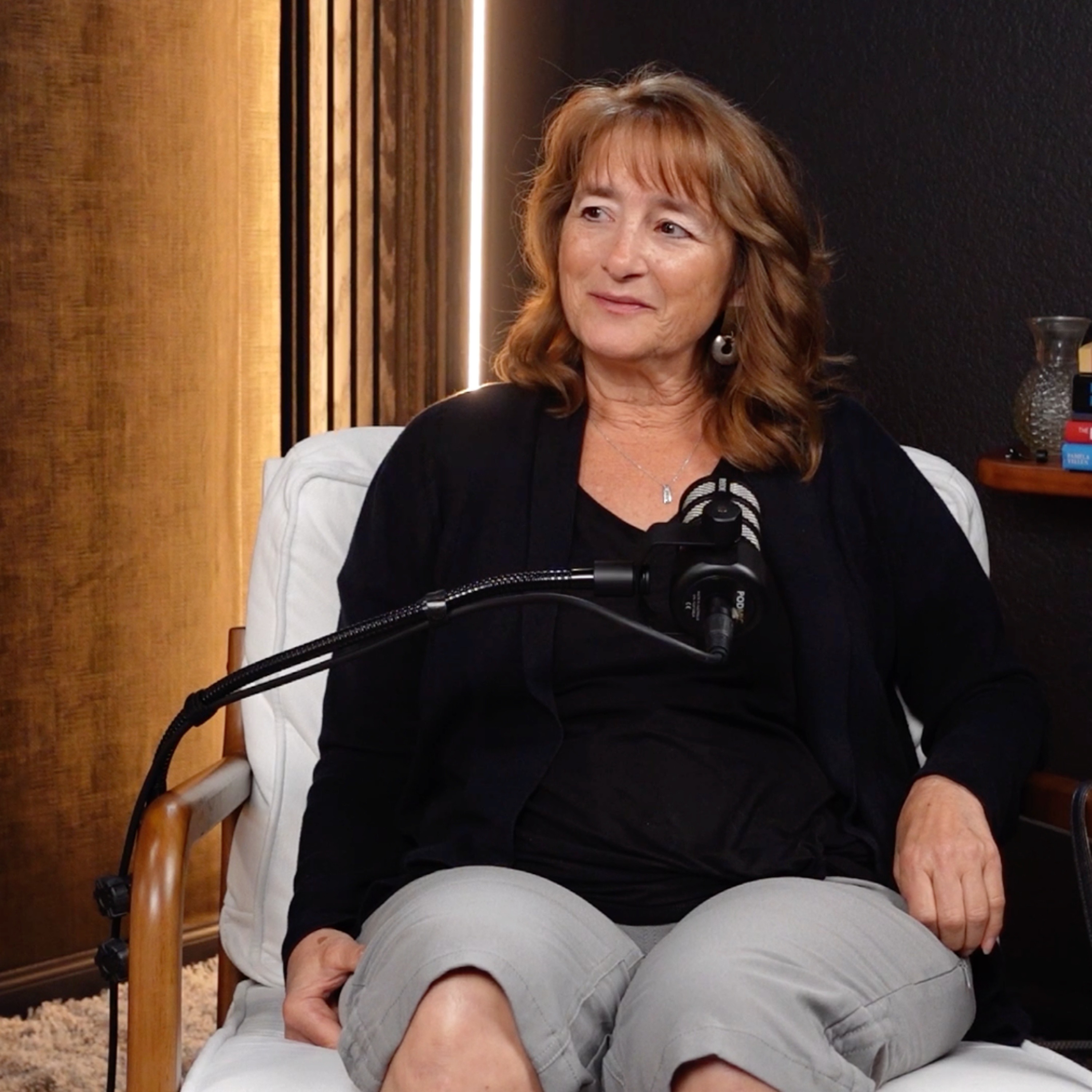
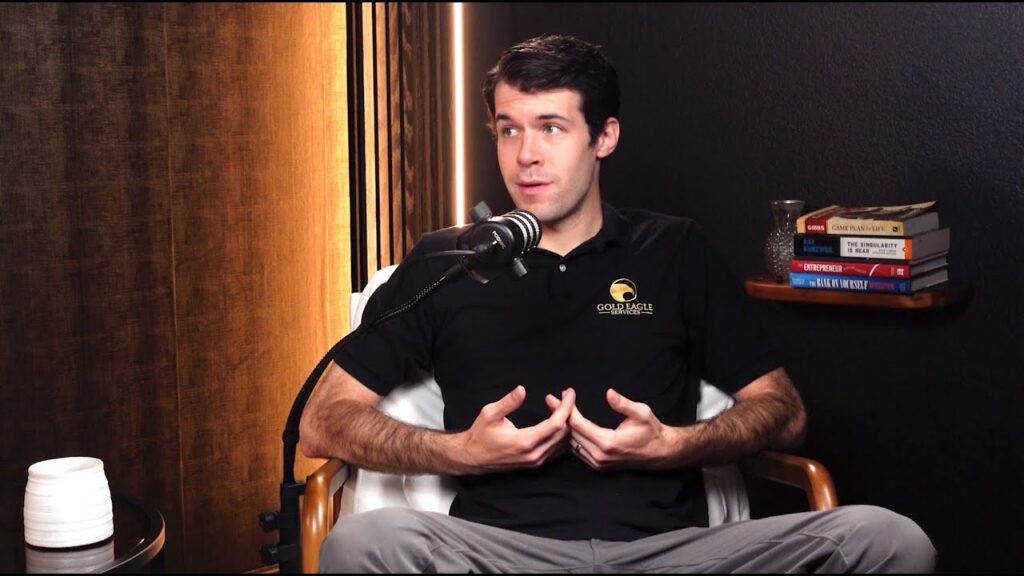
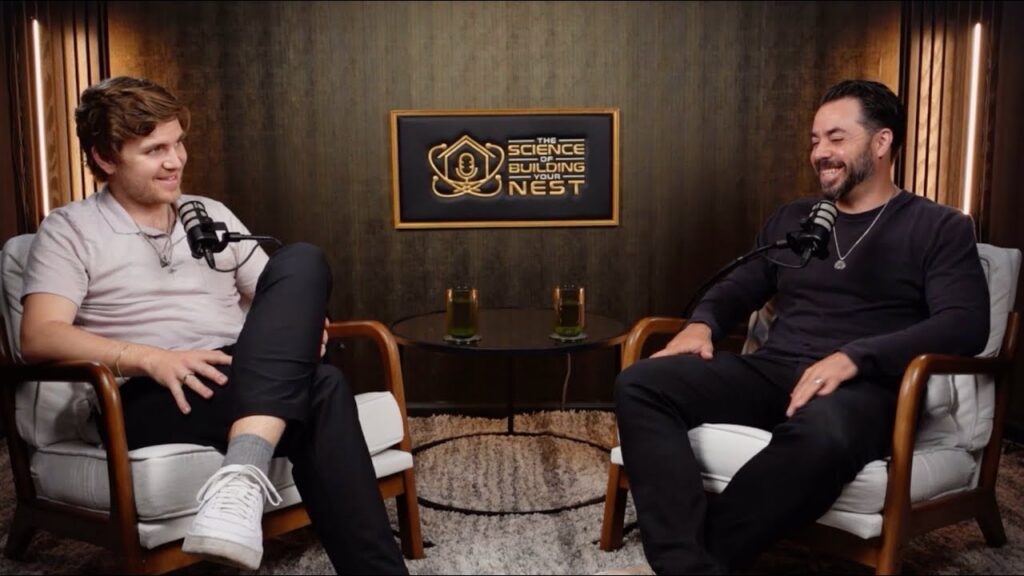
In this episode, we sit down with Dr. Marianne with Austin Naturopathic, a seasoned naturopathic physician with over three decades of experience. After earning her Doctorate in Naturopathic Medicine from Bastyr University in 1988 and a Bachelor's in Psychology from Hahnemann University, Dr. Marianne has dedicated her career to integrating mind and body in the healing process. She shares her insights on how psychological understanding enhances homeopathic care, what she’s learned from treating patients nationwide, and why true healing often begins with listening. With a rich background in teaching and public speaking, Dr. Marianne brings clarity, compassion, and wisdom to the conversation. Connect with our guest: Email: DrMarianne@wvnaturopathic.com Website: www.austinnaturopathic.com Tune in to explore how psychology and homeopathy can work hand-in-hand to support whole-person wellness. Hosted by Keating Kuhn Gold Eagle Services & Pure Maintenance of Central Tx Follow on Instagram: @ScienceofBuildingYourNest Disclaimer: This podcast provides general information and is not intended as a substitute for professional advice. Always consult a qualified professional for advice tailored to your individual needs, including in areas such as medical, legal, or financial matters.
Key moments
- Meet Dr. Marianne Calvanese of Austin Naturopathic
- A library brochure that sparked a career
- The body-mind connection and the whole person
- Air quality and when to open windows
- A short history of holistic practice in America
- Inside a three-hour first visit
- Why two people in one house react differently
- Tighter homes and indoor air since 2020
- Applying root cause thinking to everything
The mailing list
Get the next conversation in your inbox.
One short email when a new episode drops, plus practical tips on healthy homes and building things that last. No spam.
Transcript
Dr. Mary Ann with Austin Naturopathic. How are you today? I'm well, thank you. How are you, Keating? I'm great. I really appreciate you being on. We are excited to dive into the depths of everything that you do. Wonderful. Glad to be here. So tell me a little bit about yourself. Tell me, you know, first of all, why you're in Austin specifically and, you know, go into a little bit how you got into the naturopath field. Well, You know, it was destiny that I ended up in this field. When I was in eighth grade, I wanted to be a psychologist. And so I pursued psychology as my undergraduate work. But then there was something that felt not complete about
that. And this was a time where there was no internet. So I wanted to try to find a graduate program that was in addition to psychology, which always fascinated me, why people are the way they are, why do they think the way they think and feel the way they feel. But I wanted to study also the body, the physical body and the spirit, all of it. And I was walking out of the library one day after researching for a graduate program, not having any luck when I walked out of the library and saw this sea of brochures and there
was this one that stuck out to me and it said holistic health eight-week course and I thought oh my gosh what is that word so I grabbed the brochure went back and looked in the dictionary and looked up holistic and it said body mind spirit and I said that's what I want to do I didn't even know if there was a profession that that taught that. But I took that eight week course from a chiropractor and that's where I found out about naturopathic medicine. And as soon as I saw the description, I knew that that's what I wanted to do. And now I've been almost 40 years practicing as a naturopathic doctor. Fascinating. So the brochure piqued your curiosity and you went for it. Tell me a little bit about that eight week program. Oh, I barely remember
it. It was just a chiropractor. I mean, I did a four-year education with naturopathic medicine. Is that what you mean? Well, really just the eight week course that, you know, kind of set the tone for. OK, so the eight week course, he was a chiropractor and he recommended this book, which isn't in existence anymore. It was called the Berkeley Holistic Health Manual, and it was this thick book. Now, remember, we're talking like late 70s, early 80s. So this thick book that was a compendium of all kinds of like natural careers, you know, like, or natural, um, like modalities, like there was yoga in there and
reiki and chiropractic and, and all kinds of stuff. And there was naturopathic medicine in there. It had a whole page and it showed, you know, there was, there was one school at the time the book was written that taught naturopathic medicine. And so yeah, he just answered questions and went over all kinds of, you know, newly emerging natural approaches that were kind of coming out of the 60s. Totally. Totally. And you found that to be a calling that you, you know, continued at least to this day. What are some things that specifically from the psychological standpoint that really interested you about naturopathic
medicine? The body-mind connection. And that rarely is there. I mean, we're whole beings. we are whole beings. And so even when we get a cold, there's always a psychological component. And so to address the whole person I found is the most effective way to help people return to their natural state of well-being. That's a great way of looking at it. I really like that It is at the basis of naturopath is the holistic method, right? And if you're not looking at the
state of wellbeing that the person is in, you can do exercise and you can eat well. But if you're not looking at the environment that they're living in, are they putting themselves under a deep stress every day, that's going to have an effect on the body that even exercise and eating well, can improve. Exactly, exactly. We need to look at all the conditions in which we can maintain Health and well-being and of course air quality is an important one. We breathe a lot We can't do without it. So yeah, it's very important many times I've told people or I recommended that people get an air purifier or Have their ducks cleaned out or you know, we suspect mold
So yeah, that's one really important piece to well-being is what we're breathing in. I mean, I even recommend that people stay tuned to the air quality in their area because fresh air is so important. But if you're going to be having your windows wide open on a... a day where the air quality is really poor, which happens these days a lot, a lot more than you realize if you're not tracking it. So close the windows. let the HVAC system take care of it, right? That's right. As long as your HVAC system is properly functioning
and because a lot of, at least from the indoor air quality issues that we see in our business, a lot of it is stemming from the air conditioner specifically. But no, I absolutely agree with you. There's days a day like today where it's 70 degrees and 65 percent humidity. Today's probably not the best day to open those windows. It's going to be blowing all of those spores from outside straight into your home. And yeah, it's a great place for mold to grow at the moment. Yeah, for sure. So over the last 40 years, you started in an industry that kind of was getting its footing in the U.S. Well, it was resurging, let's say, because at the turn of the century,
from the late 1800s to the 1900s, 25 % of the medical doctors were holistic or homeopathic practitioners. Isn't that amazing? A quarter of the doctors. And many of the other doctors were, they were open to it. They taught it in medical schools. They taught homeopathy in medical schools. But in the 20s, it started to shift around the 1920s. where there was a lot of old family money that was donated to a lot of medical schools, but only if they would teach the newer
germ theory and use drugs to treat those germs. Yeah, so I can tell you're being careful with your words on how you're how you're saying some things. Yeah. Yeah. So so yeah. So we as as alternative practitioners, we almost became extinct. And there there was one school that maintained and taught naturopathic doctors. It was actually an NDDC school, like chiropractors and naturopaths, you'd get a dual degree. But, so yeah, so the
60s really changed things, you know, and people started to become more open, started to question the status quo, because the medicine that we have today, like the standard Western medicine, is not It's the dominant medicine, but it doesn't mean that it's the superior medicine. It is an approach that has its value and that has its place, but it does not focus on prevention. It doesn't focus on how can you stay well. It's more oriented toward emergency medicine. If I
get a broken bone, I'm not gonna see a naturopath. Or if I need stitches, I'm not gonna see a naturopath. So, you know, it has its place. So that's all I'll say about that. Or, I mean, if you wanna talk more about that. Well, no, I love the way you approach it. I think we're a society that wants things now. Right. We want our Amazon delivery two days from now. We want to be able to go to a fast food joint and get a burger in 30 seconds. If we're having heartburn, there's a pill for that. If we're having headaches, there's a pill for that. I love what you said about prevention because it's very true. There is a certain amount of things that a doctor in most hospitals can
do for you and it usually does not have anything to do with preventing something from happening or keeping your well-being toward the future. Right. Exactly. And that's where the orientation of looking at the root cause comes in. So when people come to see me and say, for your example, heartburn, you know, a lot of times, yes, they want a quick fix. They want to replace, you know, the imeprazole or they want to replace something because they don't want to take a drug. Although a lot of people who come to see me are more aware that it might not be a quick fix because let's take heartburn for example. So you know to really
take the time to examine the diet, the lifestyle, the stress level, the nutritional status. I mean there's lots of things to look at. to try and understand what the underlying cause of the heartburn is. So is it excess cause? It's simple, like your body doesn't like coffee, you know, or excess coffee, you know. So there are ways to heal that. But the point is that a naturopath will always look at the whole person and always seek the root cause. of what ails a person. And it's really
interesting because I spend three hours with a new patient. I know. And people think, oh my gosh, what am I going to say for three hours? But sometimes it goes even longer. And when you spend that much time with someone and really ask them all the right questions and their whole life story really unfolds. their physical body, you know, we go from head to toe, their past history, and then what it was like growing up and how their life unfolded from childhood. And so when you do that, when you take that time with people, you really get to know them as a human being. not just their signs and symptoms,
not just their diagnosis, you know, like medicine has chopped us all up into these specialties, specialties. I mean, some people have like five, 10 doctors, you know, for each part of their body and nobody knows what the other one is doing. I mean, it's really sad. I mean, I know doctors don't like this either, although I shouldn't say that, I shouldn't speak for medical doctors, but they do lose the whole picture. and people are whole beings. they're not just an organ or a disease, right? Definitely. Yeah. And your psychological approach to your practice is apparent, right? You are going through not only their history of their body and the ailments that have occurred throughout their life, but where psychologically
are they? And how could that be attributed to the problems that they're having? I think looking at the root cause is something that is probably foreign to most Western medicine doctors. Because, you know, in general, when you're going to the doctor's office, they're not spending three hours with you, right? They're probably spending 15 to 20 minutes, at least with that specific doctor, maybe less. And then you have the paperwork that you're filling out at the beginning. But a lot of those are, what are you allergic to? And some random questions here or there. So it's a very different approach. And for people that may have never been to a naturopath, can you give us a rundown, not the three hour rundown per se, but just a rundown of your process of how you start to go things with a new client or an existing
client? Like what the interview is like? Certainly. So I start out, so I have them fill out one form, just one page. you know basic information and then I ask what are your chief concerns and what are the biggest stressors in your life and what supplements you're on and then the rest we reveal in conversation so first I say how are you doing right now in your life in a nutshell some people can't do nut shells but that gives me more information about who they are so in a nutshell physically, mentally, emotionally, and spiritually, how are you doing in your life right now? And so that gives me a sense of where they are. And then
I say, okay, and then we do childhood health. Like what was your health as a child? Because there's always threads from childhood. Like even if like they have had like barely any issues. then that's a good sign. But a lot of times these days, oh my gosh, it's amazing how much it's changed over 40 years. So people are coming in sicker at a younger age and more complex, more complex, multi-layered. So anyway, back to the interview. So I asked them how their childhood health was, if they were breastfed, if they were C-section or vaginal birth, they had vaccines. recurring issues in their, you know, childhood,
you know, skin, digestive, sleep, behavioral, whatever it is. And then I start with what's called in medicine, a review of systems. That's like a medical term, and that's what they do in medical. That's what medical people do too. But I do it more in depth. So I say, head, you know, have you had, yeah, we go from head to toe. And then I ask them specific questions about each organ, you know, head, eyes, ears, nose, mouth, throat, digestion, heart, lungs, musculoskeletal, GYN, skin, you know, temperature, perspiration, sleep and energy. And then... their past medical history, if there's anything that we didn't talk about, you know, accidents, injuries, hospitalizations,
surgeries. And then, so that usually takes about two, two and a half, two hours, a little over two hours. And then I ask them, tell me what it was like growing up. And then they tell me about how their life has unfolded and It's really fascinating because what happens is they begin to make connections to about current patterns in their life you know, they tell me about the relationship with their mother and their father and their siblings and School how school was and then what they did after high school and
then all their marriages and divorces and whatever, you know and I begin to connect the dots, and I begin to see little red flags, and so do they. And people say, I've never told anybody this, but, and they'll tell me, or I've never told anybody this, or I've never thought about it in this way. So it's a beautiful process that unfolds, and not just for me as a practitioner to try and help them, but for them. for their own personal growth and insight into their own lives. So it's pretty cool. super therapeutic for them, I'm sure, because they've probably
never had someone that asked them in depth details. And you're right. Just thinking on some of the elements that I've had in the past, I'm sure I could pinpoint if I were to go through the three hour interview process, how some of those could start to unravel. So from a psychological perspective, because at the beginning, you said that that was really what you wanted to do since you were an eighth grader. And so to be able to develop your process using the mind first and foremost as a tool of diagnosis in your practice is quite incredible. Yeah, it's really fun. Now, not all naturopaths do this. I think I've cultivated this because I had a particular interest in homeopathy.
The homeopathic interview is much longer than the naturopathic or the medical interview. That's because homeopathy takes into consideration also body, mind, and spirit. And I was treated by a chiropractor when I was like 22. And I was working at like a holistic clinic outside of Philadelphia. That's where I grew up. And I had decided I wanted to be a naturopath. And I was, you know, so I found the school and they said, you need chemistry before you enter our school. And I had no chemistry. So I decided to take
two years off and do, you know, one chemistry class per semester. And during those two years, I just wanted to save money. But I also wanted to experience like this kind of medicine. And I didn't know if anybody was doing it. And I found this wild clinic. It was called the Clymer Health Clinic. And it was like all chiropractors and naturopaths. And they were totally into natural medicine. And it was such a blessing. I got hired as a physical therapist. That's funny. They just trained me. So I got in there and I got to learn a lot. And so I saw this chiropractor there and he did a homeopathic interview and gave me these little sugar pills. And it was like, oh my gosh.
How could these old sugar pills do anything, you know? And it really, it like helped me with physical issues that I was dealing with, and it helped me feel more peaceful mentally and emotionally, and it was wonderful. And so I said, well, I definitely want to study this stuff. So I started studying it on my own, and I had to quit the clinic because I really needed to make more money. on my journey to go to naturopathic school across the country. So I got a job as a waitress. And so I practiced on, especially on the weekends, I practiced homeopathy with the... The cooks, you know, they were so, like,
irritable and hungover, and they were like, oh, man, nasty to us, us waitresses. And I would say, here, take this naxvamaka, and they would take it. And then we'd come back for the next order, and they would be like, oh, what else do you need, Mary? It's so funny. So I saw how it worked. And so I began practicing as a waitress at that point. But then when I went to naturopathic school, you know, we were able to take like extra courses in homeopathy if we wanted to specialize in that, which I did. And so I've done homeopathy then all these years, but not all naturopaths do homeopathy, but I do. And that's part of why I've kind of created this very long interview, but it works for me and it seems to work for
other people. Definitely. And what's the most fascinating about this is you were able to see how powerful the mind was. Yeah. Because I think a lot of us have experienced issues in our life that we go through something very stressful and there's some... body attack that happens afterward. And so I think there most of us know that there's a correlation between how our body operates and the stress that we put our mind through. But the fact that you were able to take those little bits of information that you accumulated over the years to build your practices is just amazing. Specifically for you had touched on the issues
that a lot of younger clients may be dealing with nowadays. I know you know, from my high school, there were a lot of kids diagnosed with ADHD. And that is a psychological issue, right? That is diagnosed and the prescription is usually Adderall. I'm guessing that's a certain amount of the clients that you see right or at least that that comes up during your initial investigation What are what are some of the things at least from a psychological perspective that you really see as prevalent? Nowadays versus what you had seen 30 to 40 years ago So I see more complex issues so So they come in in their 20s and 30s
And they have anxiety or digestive issues or hormonal issues or fatigue, depression. So there's a lot of stuff to unfold and more and more younger adults are coming in. With these kinds of issues. So it's like they're not coming in with like a diagnosis like it when I started practicing Like mostly like it was older people. Well, I was 28 when I graduated so older people were like in their 50s, you know, but they would come
in with like, you know Diagnoses, you know like hypertension or diabetes But now it's more like Like complex dysfunctions just like not feeling good. Just not feeling good So, you know and I want to circle back to something you said Like when something happens in our lives like so even like something physical like say a car accident so Car accidents can be pretty, you know, they're pretty shocking And they're they're shocking emotionally and they're shocking physically And so I've seen people who, like, for instance, might have, you know, they're in their 50s and
they're like, you know, used to having headaches, frequent headaches. And then when we when we go back to the origin, when did they start? Like, for instance, they may have started after a car accident. So with homeopathy, you can address that initial trauma, physically, mentally and emotionally. So that's one of the reasons why I love homeopathy is because it can address old Old injuries old traumas and and old patterns or like, you know, like Say we had a father who called us stupid. That was me my dad when he was so funny So when I said I want to go to college
so nobody in my family ever went to college They're all like working-class people, wonderful people, big Italian family. Outside Philly, I'm sure many of us can understand. So I said toward the end of high school, dad, I want to go to college. And he's like, no, that's a stupid idea. I said, why? And he said, well, you're just going to get married and have kids and then it's going to be a waste of money. And from his perspective, that was his reality. Luckily, I didn't heed his advice, and I felt an inner calling to continue and to figure it out, how to go to college. So,
but like, okay, so being called stupid, you know? So, you know, so I heard that all my life. And so, I mean, really, it wasn't until I would say, in my 30s, okay, after I got finished with school and, you know, all the stress of that. It was, you know, it was a demanding program. It was four year graduate school. So, and I explored a lot during that time, like not just naturopathic medicine, but, you know, Eastern religion and meditation and all of that. Like it was on a completely other coast. It was on, it was in Seattle, Washington, you know, so this little Philly girl from, you know, going to the West
coast, expanding, you know, my mind. So opening up a whole new world. Yeah, it was a whole new world. So it was wonderful. And so it wasn't until my 30s that I began to see there were some things in my life that like choices that I would make or ways that I acted that would be a compensation for feeling stupid. So once I got that and really dissolved that at its core, was I free of that? And man, is that nice. You know, to be free of those childhood things. I mean, our parents don't mean to hurt us, but they do. We all have childhood
wounds, you know, to one extent or another. Some people, you know, it's a big range. You know, I've seen all of it. You know, I've seen, you know, just kind of light wounding and garden variety wounding like I had to like, frank abuse and neglect. you know just all kinds of really uh traumatic things that happen within one's family and all of that stuff for us to be really healthy all of that stuff needs to be unwound and healed and it can be and and and you're seeing the whole gamut and then you're seeing the whole gamut once you uncover where they are psychologically
you're able to uncover the issues that they have i think one of the The craziest things from my perspective is you can drop two people in the same exact Scenario and they're gonna they're gonna be totally different people at the end of it. So true. So true Why do you think that is why do you think you know, because when I when I think of you know, HVAC system specifically, we kind of are more of this, I'll speak at least from the HVAC perspective of if I'm going to fix a unit, right? If I come across a homeowner that has a broken system, I'm going to start with a checklist and I'm going to go down this checklist and, you know, probably take it more like a Western medicine would, right? I'm going to see, you know, is the heart beating, you know, faster? Just different checklist items that I
can go down. Why do you think it is that that people can be in that same exact environment, but yet have totally different symptoms or problems? I think that it's the nature of being human. I think that each person is a unique expression of who they are. And as many people on the earth there is, that's as many unique expressions there is. That's quite a few. It's quite a few. So from the indoor air quality perspective, I'm sure we can touch on that as well on how two people living in the same house. I'm sure you've had a wife and a husband that the husband is saying, you know, no, you're fine. I'm sure your
headaches are just because you're stressed, right? That absolutely happens. Two people can be living in the same house and one be affected and one not. Or the one that's not being affected, it just hasn't shown up yet. Because everybody has a different constitution and we're all born with a certain configuration of like more vulnerable organs and and that's something that like if you look in your childhood like what kind of health issues you had and that gives you a window into what organs were most vulnerable and how and then and then you You know as you live your life those either come out more or they're more
attenuated and less of a problem if, you know, you have a healthy environment, you know, you've done personal work or you eat well or, you know, good relationships and a fulfilling job and, you know, so all of those things go into whether or not a person's going to express illness. From the indoor quality perspective, you're operating out of Wimberley, correct? Correct. I used to be in Austin for many, many years and when COVID hit, nobody was coming to my office and I was living in Wimberley so I decided to close my office in Austin and open an office in Wimberley,
but I see a lot of Austin people. I see people from all over the country, actually. Yeah. Now, what has changed in the past four years, especially from COVID on the indoor air quality aspect? Because I think COVID was that it spurred on a lot of different conversations. Obviously, it was the hot topic for a year, year and a half, maybe even till today, right? Indoor air quality is kind of a buzzword for a lot of people. Where does indoor air quality kind of land with you? So you know especially if you're working from home that makes it even more important to check indoor air quality and I think indoor air quality obviously has gotten worse over the years because
houses are being built tighter and so especially if you're working at home and you're not feeling great, it's definitely something that you should check out. Because it's subtle, you know, it's like the air you breathe, you know, it's like a fish in water. You don't realize that it's affecting your health because it's so foundational. Now, you said buildings were getting tighter and that's not normally something that I hear from the naturopathic perspective. So where did you start to get in touch with at least that area of expertise, at least in terms of like the clients that you were dealing with, they were having mold issues, right? Where did you start to learn from other avenues, at least in
terms of like the buildings that we're living in? Like what piqued your curiosity? Well, my ex-husband was, he was very much into building. And so I learned a lot from him about healthy building. And, you know, like the opposite is true, the old building, you know, the old buildings and the new building, they both have their issues. because like most old homes do have problems even though they're drafty they may be drafty but they probably have mold right they bring a whole new set of problems exactly and then
on the other end you have these you know our houses that are wanting to be more energy efficient so you know good insulation tight windows and all of that and then that creates its own problems yeah it's I love how well-rounded this conversation has been because you've touched on a lot of topics. I think where I start to go, at least in my curiosity towards your experiences, you've touched on a lot of things and it really has shaped how you operate in your practice. But how are you, at least in... In the realm of people, how do you start to connect with them? Obviously, listening
to their story and asking questions is the first way that, at least for me, I start to connect with someone because I see their eyes light up when they talk about different things. What are some things that really touch on you when you're talking to some of your patients? like to empower people to Know that they have the power to help themselves feel better I can guide them I can suggest this supplement or that supplement and give them a remedy but ultimately It has to be
up to them and they have all the answers I mean maybe not like the homeopathic and the supplement answers but they have the answers within them. And often people will, you know, as we build our relationship. So I see people every maybe four to six weeks. And then sometimes I'll see them, you know, once a quarter or once a year, or some people come back after, you know, 10 years or some people come back and say, I saw you as a kid. Now I have a baby. So I I like to build those relationships and see the whole family because then that's even more holistic because then you see the whole family unit and
um but but to empower people I like to teach people about you know building their natural pharmacy you know like so if you get a sore throat you don't run to the doc you don't have to run to the doctor and people like that they want to be empowered they want to take their health into their own hands but but we've been conditioned in this culture to think that there's an educated elite that has the answers and that's who we have to go to get better. And so I like to kind of bust that kind of perspective. That's, that's awesome. Yeah. No, I, I love because you're absolutely right. The, the more, the more that they're able
to empower themselves when they, um, when they one feel bad and two, when they, want to feel better, right? They come to you because they have an issue and you're almost putting a certain amount on them, which it is on us to feel better 99 % of the time. We need to go to a specialist when we have certain issues that we've exhausted our efforts, we've eaten healthy, we've checked our air quality, we've exercised, but we're still dealing with this lingering issue. Yes, I see that a lot. Especially people who... want to see a naturopath like well so there's a certain percentage who come to see me who it's like their very first time that they've ever seen anybody like me and they're like not sure how it's going to be and am i going to have a loo-doo doll and hooking And one woman just recently said,
yeah, she said, I didn't know what to expect. She said, I thought you were maybe even going to do tarot cards. I said, oh, they're in my drawer over here. But no, we're not going to do that today. But it was so funny because she said, wow, this is really revealing. And this is really helpful because like we started the interview and she's like, wow, nobody ever asked me about that. So so there's a certain percentage of people. Who? sense that there's another way, but they've never experienced it. And so they'll seek me out. But then there's also those percentage of people who already eat well, exercise, you know, they avoid doctors unless they really need it. And yet there's still something. that they're
missing, they research this pain, that pain, and oh my gosh, they've got cancer or whatever, you know, and usually it's not. So the internet is helpful, but it can be very overwhelming. So yeah, people who are, you know, kind of eating well or they've tried different diets and are like, I don't know what to eat anymore. And I don't know what diet is good for me. And I'm doing all the right things, but I still don't feel well, you know, to your point. And that's, that's when like, the long interview can help because then they can get a bigger perspective. Yeah. Since I ask questions that are more, you know, that are detailed and holistic, both. And a lot of times they'll make connections like I was saying before. And and then sometimes they
do testing. You know, like I just recently had two young women. They're like in their early 20s. And they feel terrible. I mean, it breaks my heart. And so I'm doing testing on them because it's complex. It's complex. It's not always so simple. And so, yeah, sometimes I do testing just like you would test for mold, you know? And yeah, so. I'm not sure what you asked. No, that was great. I think people are, you said something about the internet, which is so true, like hypochondriacs can go on the internet and they can just scare themselves. And they're like, oh, I guess I'm gonna die tomorrow. That's basically
what I've resorted to. Yeah, but even not hypochondriacs, even just regular people. Like I know I've had, like, so once I, like about, I don't know, maybe about a year ago, I had this lower right quadrant pain. And I thought, oh, that's weird. Maybe it's something weird, you know? And then it continued like day after day. It was so unusual. And it was like, I think this is appendicitis. And so I Googled, you know, and I remembered about this McBurnie's point where you press and you get rebound pain and, you know, I'm thinking, I'm thinking. And it's like, I think I have appendicitis. So I did a call with a telemedicine. because
I wanted their opinion about the diagnosis because I could do the treatment if I know what it is. And so I talked to this nurse practitioner and she said, yeah, she said, I think it's appendicitis. And I said, what is your percentage of competence in that diagnosis? And she said, I think she said something like 90%. And I said, okay, thank you. And then man, I changed my therapeutics and I pounded all kinds of you know, immune support. And I did my, uh, farm for red lamp and I, I prayed and I put my hand over my, you know what? It went away. It went away in about two days.
It was gone. And, and, and the Googling is really what put you in that perspective that, oh my God, this is going to be way worse than just a normal pain. Yeah. I mean, it helped me because I needed to diagnose it myself. Well, I didn't need to, but I wanted to. I mean, I have diagnostic skills. So I went to the internet, you know, like what else could it be? What are my differential diagnoses here? And I think that people, I think it's good to research, but There's a certain point where it's just confusing. And so many times I'll have somebody come in and say, you
know, I'll be doing the review of systems and they'll say, you know, okay, yes, I get headaches. And that's because of that. And then, yeah, I have the eye thing and that's because of that. and then the ear thing. And that's because of that. And it's like, oh my God, let me be the diagnostician here. Don't tell me why you have it. Because they're trying to figure out their own diagnosis. And that's not always helpful. And sometimes it's more confusing. And it can often skew my perspective. I have to like take it with a grain of salt. And so I think that it's valuable because you do learn about your body when you research. But it can be so overwhelming and if you don't have a medical background, you
go down these rabbit holes and it can really freak you out. Yeah, because there's two parts to when you're listening to their story, you're trying to hear it from their perspective because in theory on one side, you need to be in tune with what they're perceiving, right? Absolutely. You're only seeing them for three years out of a 40-year life. You got to listen to them, but you're also seeing that... You have 40 years of experience and you have a lot of years of extra experience, at least from the schooling aspect. Um, and this has been your profession. And so you are, you're really going in depth into this, uh, this level of experience. That's not just the 40 years, but you've got to be able to combine the two and you've got to be able to, to, uh, you know, choose each, um, diagnosis
specifically to then compare everything at a whole and then look at things from a from a holistic perspective and treat it accordingly. Right. And not treat the diagnosis. See, what happens when you go online and you read about what's going on, you also, of course, read what to do about that. And it's usually drugs. It's usually drugs. And from my perspective, that's not the case. I look at diagnoses differently. They can be very helpful. But a diagnosis is not a cause. And people conflate those two things, like my
diagnosis is migraine, say. But that doesn't really tell you anything. It tells you that you have a complex of signs and symptoms. It doesn't tell you why. So then when you're doing research, Well, you look at why and there are like a million reasons why. Mostly, we don't know. It's idiopathic. It's like, well, no, that's not accurate. From my perspective, it is not accurate that it's idiopathic. It's just that Western medicine doesn't really know why. So that's where an atropath can explore what could be the underlying causes.
And because our environment has become so toxic, and our food supply has become so toxic, that's like 70 % of it right there most of the time. Yeah, if you go down the list of everything that... Can affect our health and that there are major impacts. I mean food and air quality are just two of the many there there really is a I'll kind of shift more towards the beginning of our conversation where you looked specifically to the 1920s and 30s on how they really shifted the way that we look at medicine. And then you had this resurgence and it was because people started to see flaws with how people were doing
things in the first place. But the money has continued to go into one avenue. And that is where I feel like it's people like you that are pushing the envelope in your experiences. And really at the end of the day, that's why I wanted to talk with you, because I think it's fascinating not only where you're coming from in your practice, but also where you've come from and the school of thought that you've been accustomed to for the last 40 years, because it's just as different than most people. Right. 99 % of people. Right. And you know, the interesting thing is what's happened to me over time because I was trained as an atropath. So I was trained to look holistic and I was trained to look at root cause and trained
to not do harm. So my therapeutics are not harmful. What began to happen to me as I grew as a person was that I started to look at everything that way. So I look at politics that way, holistic and root cause. I look at our economical system, root cause and holistic, our educational system. What's the root cause of why we have the educational system we have? So it's really interesting because it's a perspective and I've applied it to my profession. but I've also been able to apply
it to every aspect of human life. And you're taking that from the psychological perspective as well, right? Why did humans create a certain system this way? Because you're able to look at things from the different perspectives. Absolutely. You mentioned you hit some good ones at least the education system and then our current medical system But unfortunately, you can just go down the lines and see the flaws in almost all of them Absolutely, and what's at the root? I mean, I Don't want to generalize here, but I will in terms of root cause So, you know when I look at the world And I look at all the systems and
the structures that we have. I think the root cause is... I think it boils down to a spiritual problem. And I don't mean religious, I mean spiritual. I mean like recognizing the truth and beauty of who we are as human beings. And when we don't, we operate from fear, greed, and we have no connection to the other human beings that are of the same source. And that can cause harm to the planet
and to other people. Definitely. Yeah. It's unfortunate how disconnected not only we are from one another, but also from the people that you see on a daily basis and the people that I see on a daily basis. I think energetically we've put together our circle and I think we accumulate people that are like-minded in our sphere to where we probably agree on 90 % of the things and on the 10 % of things, there's a healthy dialogue between the two. It does seem from a societal realm that there's been a disconnect of that 90 % and 10 % that the 10 % means the most and we're going to fight to the death for those 10 % where we really need to get back to the 90 % and be able to have these open conversations because a lot
of the things you have said are, they all make sense fundamentally. And if we start with that and then we can explore, just because someone may disagree with you on a few things that you said doesn't mean that you have to throw the whole conversation out, right? You can now have that healthy conversation and now we can start to push the envelope in different directions to uncover more truth. Because at the end of the day, I'm sure that's what you're after is how can I uncover more things that are going to help the clients that you come across? Exactly. That's amazing. Dr. Mary Ann, I super appreciate the conversation. How can the people out there find you? So, austinmatriopathic.com. Beautiful.
Beautiful. Thank you for your time. You're certainly welcome. It's been my pleasure.
This transcript is generated automatically, so names and words may be off.
Keep listening
You may also enjoy
Hosted by Keating Kuhn. This podcast provides general information and is not a substitute for professional advice. Always consult a qualified professional about your own situation, including medical, legal or financial matters.
